>>
Industry>>
Food and beverages>>
Food Inflation in India: Weak ...Food Inflation in India: Weak Monsoon Threatens to Push Grain, Chicken and Milk Prices Higher
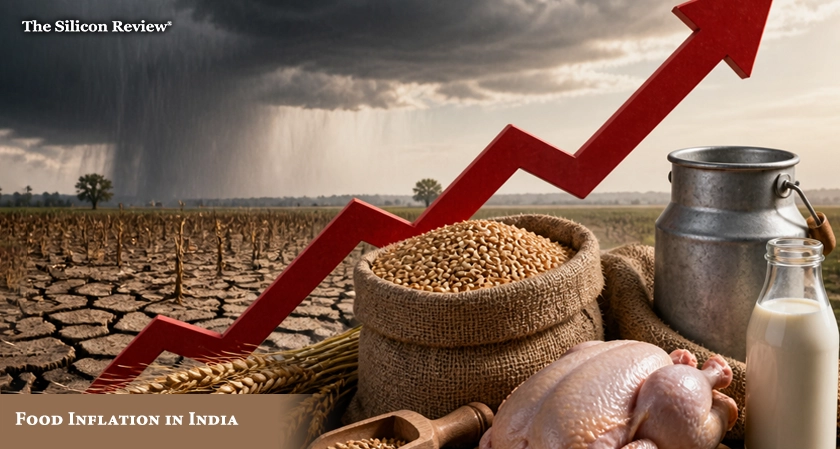
Food inflation in India could approach 10% by December as weak monsoon rains, rising grain costs and expensive animal feed push milk and chicken prices higher.
News source: Google / https://www.reuters.com/
India is facing the prospect of prolonged food inflation, with rising prices spreading across grains, sugar, pulses, milk, eggs and chicken. A weak monsoon, deteriorating soil moisture and higher global commodity costs are combining to create pressure on agricultural production and household budgets. The warning comes as farmers across southern and western India prepare for the winter cropping season under difficult conditions. Below-average rainfall has reduced water availability, making it harder to plant wheat and chickpeas. If the upcoming winter harvest delivers lower yields, food supplies could tighten further, extending the pressure on India prices well beyond the current quarter.
Food inflation reached 7.74% in September 2026, while overall retail inflation climbed to 5.54%. India Ratings economist Devendra Pant expects food inflation to approach 10% during the October-December quarter, reflecting the combined impact of weak rainfall, higher international prices and rupee depreciation.
Grain Costs under Pressure
Wheat, rice, sugar and pulses are becoming increasingly important inflation concerns. India's winter crop outlook is particularly uncertain because farmers need adequate soil moisture to establish healthy crops. Wheat prices have climbed to nearly a two-year high amid concerns that warmer winter conditions could affect production. Sugar prices have increased almost 30% over the past year, while domestic production is expected to fall short of consumption for a second consecutive year.
The government has permitted duty-free imports of one million tonnes of sugar to address the supply gap. However, higher international prices, freight expenses and a weaker rupee are limiting the potential relief from overseas purchases. Rice presents another challenge. Although India holds substantial rice stocks, supplies of preferred premium varieties remain relatively tight in certain regions. Dry weather has also affected varieties popular in southern India, contributing to higher prices.
Milk and Chicken Become Expensive
The pressure is extending beyond staple grains into protein-rich foods. Milk, eggs and poultry are experiencing higher production costs, creating another challenge for households already dealing with expensive groceries. Animal feed, particularly corn and soybean, accounts for approximately 60% to 70% of poultry production costs. Rising feed prices, transportation expenses, packaging and energy costs are putting pressure on poultry businesses.
Chicken prices could increase further from January 2027 as producers gradually transfer higher costs to consumers. Meanwhile, milk, dairy products and egg inflation increased to 5.1% in September from 4.8% in August. This creates a particularly difficult situation for lower-income households, where pulses, dairy products and poultry are important sources of dietary protein.
When even everyday sources of protein become increasingly expensive, how long can Indian households maintain their existing food consumption patterns without compromising nutritional quality?
The RBI's Difficult Choice
Prolonged food inflation could complicate the Reserve Bank of India's monetary policy decisions. Higher food prices can eventually influence broader inflation expectations, increasing pressure on policymakers to maintain tighter monetary conditions. Devendra Pant expects another 50 to 75 basis points of interest rate increases, with the possibility of a consecutive rate hike at the RBI's December meeting.
However, higher interest rates cannot directly resolve agricultural supply shortages or restore depleted soil moisture. They can influence broader demand and inflation expectations, but the underlying food supply challenge requires agricultural and supply-chain solutions. The situation also threatens discretionary consumption, particularly in rural areas where weaker agricultural conditions are already affecting demand for tractors, farm equipment and other products.
The Silicon Review Perspective
Here is the question The Silicon Review raises. India has invested heavily in agricultural development, food distribution and domestic production, yet a weak monsoon and rising input costs are once again threatening the affordability of everyday essentials. If wheat, sugar, milk and chicken continue becoming more expensive simultaneously, how will millions of lower-income households protect their nutritional security while managing an already stretched household budget?
The coming winter harvest will be critical. Better rainfall and improved crop conditions could ease some supply pressures, but international commodity prices, currency movements and animal feed expenses remain significant risks. India's food inflation challenge is no longer simply about expensive vegetables or temporary price fluctuations. It is increasingly about the affordability of basic nutrition, agricultural resilience and the country's ability to protect household purchasing power against prolonged supply-side pressures.
FAQ:
Q: What is driving food inflation in India?
A: Weak monsoon rainfall, lower crop prospects, higher global commodity prices, rupee depreciation and rising animal feed costs.
Q: How high could food inflation reach in India?
A: India Ratings economist Devendra Pant expects food inflation to approach 10% during October-December 2026.
Q: Why are milk and chicken prices increasing?
A: Higher animal feed, transportation, packaging and energy expenses are increasing dairy and poultry production costs.
Q: How are grain costs affecting Indian consumers?
A: Rising wheat, rice, sugar and pulse prices are increasing household food expenses and putting pressure on food affordability.
Q: Will chicken prices increase further in India?
A: Poultry industry representatives expect chicken prices to face additional upward pressure from January 2027.
Q: How could food inflation affect the Indian economy?
A: Persistent food inflation could weaken household consumption, increase monetary policy pressure and threaten nutritional security among lower-income families.













Comments