>>
Technology>>
Artificial intelligence>>
Dreambeans India: Google Bring...Dreambeans India: Google Brings AI-Personalized Stories to Users in 14 Languages
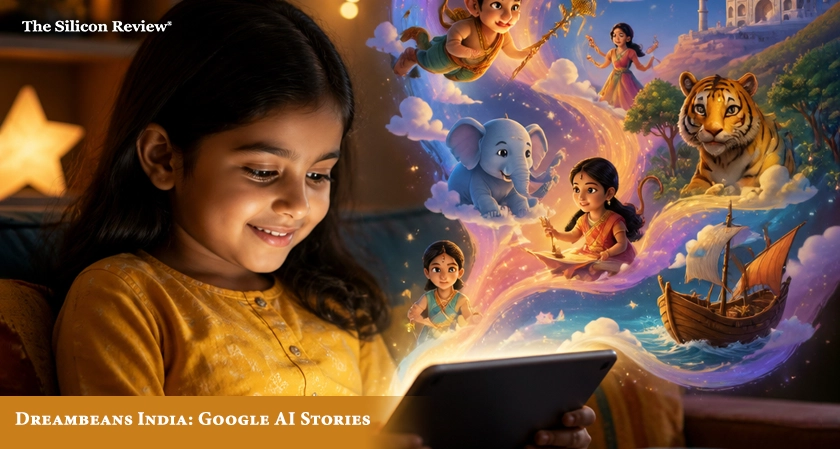
Dreambeans India brings Google's AI-generated personal stories to Android and iOS users in 14 languages, connecting everyday digital activity with personalized discovery.
News source: Google / https://techcrunch.com
Google has expanded its experimental Google Labs app, Dreambeans, to India, bringing AI-generated personal stories to a much larger and linguistically diverse audience. Dreambeans India marks the app's first international expansion outside the United States, making its personalized daily story collections available to Indian users aged 18 and above on Android and iOS. The launch represents Google's attempt to change how people discover information. Instead of relying on endless scrolling, searches or manually written prompts, Dreambeans uses artificial intelligence to turn information from users' connected Google services into illustrated stories about their interests, routines and everyday lives. Google describes the experience as a way to connect people with what matters to them. The stories can include places worth visiting, creative activities, upcoming local events and recommendations based on personal interests.
How the Google Labs App Works
Dreambeans operates through Google's Personal Intelligence technology, using information from services that users choose to connect. These include Gmail, Google Calendar, Google Photos, Gemini, Google Search and YouTube. The application analyses relevant information across these services to create personalized collections of stories. For instance, a calendar entry about an upcoming trip could inspire travel recommendations, while information from other connected services could help generate suggestions around hobbies, interests or local activities.
Each story comes with an illustration, creating a more visual experience than a conventional recommendation feed. Users can open individual stories to explore further, bookmark interesting discoveries or share them with others. Google is also moving beyond static illustrations. Selected stories can use its Veo video-generation technology to animate images, adding another dimension to the personalized storytelling experience. The idea is to make AI proactive rather than reactive. Instead of waiting for users to ask questions, Dreambeans attempts to anticipate what information might be useful or interesting.
14 Languages Expand Its Reach
Language accessibility is central to the India launch. Dreambeans supports 14 languages: English, Hindi, Bengali, Telugu, Marathi, Tamil, Urdu, Gujarati, Kannada, Malayalam, Odia, Punjabi, Assamese and Nepali. The availability of these languages gives Google an opportunity to introduce personalized AI experiences beyond India's English-speaking technology audience.
However, one limitation remains. Users can select only one language at a time for their generated stories. Although the application can draw information from connected Google services containing multiple languages, it cannot yet combine languages within a single story collection. That distinction matters in India, where multilingual communication and everyday language switching are common.
The Privacy Question
Dreambeans also introduces an important consideration: how much personal information should an AI application access to make everyday experiences more relevant? Connected services can contain private emails, photographs, appointments, search histories and personal conversations. Combining these details creates opportunities for useful recommendations, but it also raises questions about data access and user comfort.
Google allows users to choose which services they connect, disconnect them whenever necessary and delete their Dreambeans data. Generated stories are visible only to the account holder, and the application is currently intended for personal Google accounts rather than enterprise users. Users can also provide feedback or ask Dreambeans to avoid particular subjects.
The Silicon Review Perspective
Here is the question The Silicon Review raises. Google wants Dreambeans to understand users so deeply that it can tell them what matters before they even ask. But when an AI application begins turning personal emails, photographs, searches and conversations into daily stories, where should the boundary between helpful personalization and excessive digital access be drawn? Is convenience worth giving an AI a broader window into everyday life?
Dreambeans India represents an interesting shift in consumer artificial intelligence, from answering questions to anticipating interests. Its success, however, will depend on whether Indian users find these personalized stories genuinely valuable enough to trust the technology and the personal information behind them.
FAQ:
Q: What is Dreambeans India?
A: Dreambeans India is Google's experimental AI application that creates personalized daily story collections using information from connected Google services.
Q: What is the Google Labs app Dreambeans used for?
A: It generates illustrated personal stories, recommendations, activity ideas and relevant updates based on users' interests and digital activity.
Q: Which 14 languages does Dreambeans support?
A: It supports English, Hindi, Bengali, Telugu, Marathi, Tamil, Urdu, Gujarati, Kannada, Malayalam, Odia, Punjabi, Assamese and Nepali.
Q: Is Dreambeans available on Android and iOS?
A: Yes. Dreambeans is available on Android and iOS in India for users aged 18 and above.
Q: Does Dreambeans access personal Google account information?
A: Yes. It uses information from Google services selected by users, including Gmail, Calendar, Photos, Search, Gemini and YouTube.
Q: Can users control their personal stories in Dreambeans?
A: Yes. Users can manage connected services, disconnect accounts, provide feedback and delete their Dreambeans data.













Comments