>>
Industry>>
Compliance and governance>>
Australians Gain Right to Sue ...Australians Gain Right to Sue Social Media Giants in Senate Deal
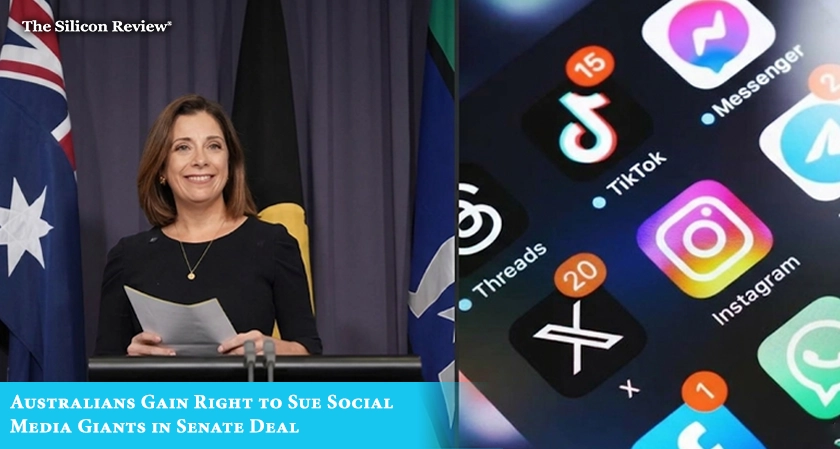
Australians can soon sue social media giants for online harm under a Labor-Greens deal featuring 5% global revenue fines, algorithm controls, and a new ombudsman.
News Source: https:/k/www.abc.net.au/
Following a historic agreement between the Australian Greens and the federal Labor government, common Australians will soon have the legal ability to sue large tech giants for internet harm. The agreement, which was announced on November 24, 2026, gives the Senate the necessary support to approve the Online Safety Amendment (Digital Duty of Care) Bill 2026 before Parliament adjourns for the summer.
Until today, the eSafety Commissioner's regulatory enforcement was nearly the only way to hold digital networks accountable. A direct private right of action to sue social media networks, search engines, applications, and artificial intelligence chatbots that fail to avoid foreseeable injury will be granted to regular people and class-action organizations under the new Act. The highest fines for systematic breaches have been significantly raised from Labor's original A$109.2 million proposal to 5% of a company's annual global revenue in order to enforce strict compliance.
Additionally, the agreement specifically addresses user engagement mechanics. Platforms must let users 16 years of age and older to disable algorithm-driven feeds and only access content from accounts they follow starting in late 2027. Additionally, businesses will be mandated by law to evaluate and reduce addictive design elements like endless scrolling. Additionally, the law exempts low-risk small business websites like neighborhood cafes from the new duty of care requirements while granting rule-making authority to create an independent digital ombudsman to settle smaller consumer disputes.
Activists celebrated the development as a landmark win for consumer rights and digital safety. The amendments, according to Communications Minister Anika Wells, essentially shift responsibilities from regular users to tech companies. Although the Greens were unsuccessful in adding online gambling to the list of regulated hazards, Senator Sarah Hanson-Young of the Greens reiterated that attitude, stressing that Silicon Valley firms will finally face real financial penalties and class-action lawsuits if they neglect user safety.
However, foreign authorities, industrial stakeholders, and political critics are vehemently opposed to the measure. The Coalition and One Nation rejected the law, citing the possibility of political repression and government abuse due to the broad definition of internet harms. The U.S. administration has responded diplomatically to the reforms over their regulatory reach abroad, and it is widely anticipated that large internet companies would file constitutional challenges with the High Court once the new, comprehensive regulations go into force. In the end, the Senate agreement creates a high-stakes confrontation between international tech companies and Australian consumer activists on the regulation and policing of digital spaces.












Comments