>>
Industry>>
Compliance and governance>>
Internet Safety Bill: Big Tech...Internet Safety Bill: Big Tech Faces 5% Global Revenue Fines under Greens Deal
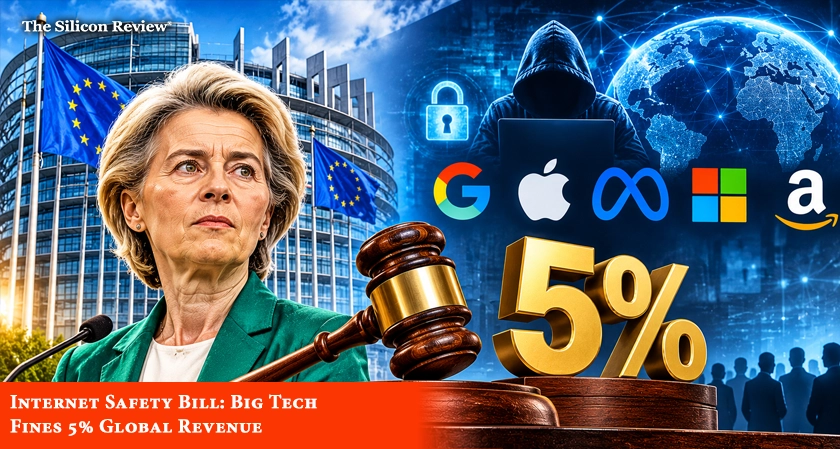
Internet safety laws will hit Big Tech with fines of 5% of global revenue under a Labor-Greens deal, replacing the original A$109 million cap.
News Source: Google trends / https://www.channelnewsasia.com/
The Australian government has secured Greens support to pass its Digital Duty of Care legislation after agreeing to amendments that dramatically increase penalties and give individuals the right to sue platforms. The maximum fine for breaching the duty will rise to 5 percent of a platform's global revenue, replacing Labor's original proposal of A$109.2 million per breach.
For Meta, which operates Facebook and Instagram that translates to potential fines in the order of A $10 billion. Greens communications spokeswoman Sarah Hanson-Young framed the change as deliberately targeted at corporate behaviour: "The only way to get these massive companies to change their behaviour is to hit their bottom line."
What the Bill Requires
The legislation imposes a proactive duty on online services to identify and mitigate foreseeable harms. Platforms must take reasonable steps to prevent harms to children including bullying, misogyny, and content promoting eating disorders. For adults, they must limit exposure to threats of violence, stalking, and non-consensual sharing of intimate images.
The amendments also require platforms to assess "addictive" design features such as endless scrolling and autoplay in the risk assessments they submit to the eSafety Commissioner. Australians aged 16 and over gain the right to disable algorithm-driven feeds and see only content from accounts they follow.
If the penalty is tied to global revenue rather than Australian operations, does the fine scale with the harm or with the size of the company?
The Private Right to Action
The most significant structural change is the private right of action. Australians will be able to sue social media companies directly for harm suffered online, a mechanism that currently does not exist under Australian law. The existing framework relies on the eSafety Commissioner to hold platforms accountable, leaving individuals seeking compensation to navigate complex negligence and consumer protection avenues.
The amendments also grant the government rule-making powers to establish a digital complaints ombudsman in the future, handling small claims and resolving minor disputes. Greens leader David Shoebridge described the package as "taking power back from a handful of billionaire-owned, largely US, corporations."
The Path to Passage
The bill is expected to pass parliament this week, with a 12-month transition period before obligations commence. Communications Minister Anika Wells confirmed small businesses with low-risk websites will be exempt, addressing concerns from business groups that a café or bookkeeper's site should not face a regime carrying nine-figure penalties.
The Coalition has opposed the legislation, with Liberal spokesperson Sarah Henderson arguing it "undermines both the online safety of Australians and our freedom of expression" . Wells said she had briefed US Ambassador David Brat about the changes, anticipating potential pushback from Washington over regulation targeting US-headquartered platforms.
The legislation builds on Australia's under-16 social media ban, extending the country's regulatory reach over global technology companies further than any comparable democracy. For the platforms, the calculation is now binary: invest in compliance infrastructure, or face penalties scaled to their global size.













Comments