>>
Industry>>
Banking and insurance>>
How Credit Unions Choose the R...How Credit Unions Choose the Right Site for a New Branch Location
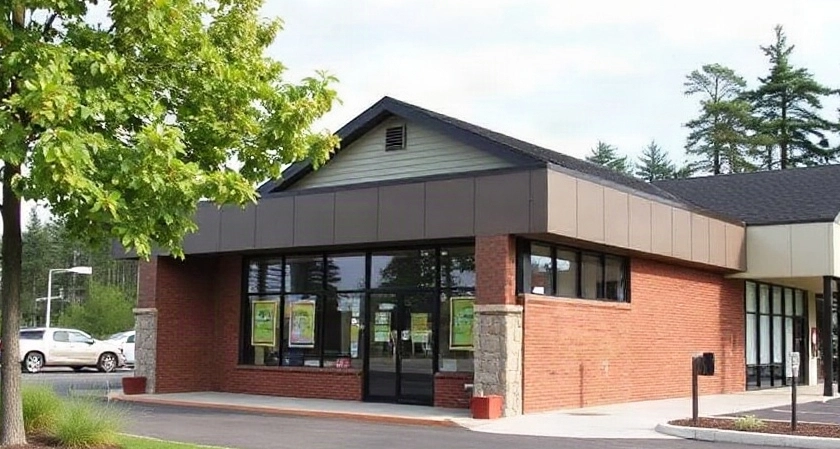
A new credit union branch ties up capital for years, so its location must support member access, operating costs, and future growth. A busy corner alone cannot show whether the site reaches the right households, accommodates drive-through service, or fits the institution’s market plan. Leaders need to weigh member data, property conditions, and financial projections before negotiating. That work starts with a clear definition of the branch’s purpose.
Define the Branch’s Job
Before searching, leaders should agree on whom the branch will serve, which services it needs, and how members will reach it.
Before reviewing properties, leaders should translate the branch’s purpose into measurable criteria. The brief should account for member travel patterns, household growth, visibility, and safe access. Applying credit union branch site selection tips helps teams compare sites against those needs rather than judging a property by traffic alone. It should also set requirements for parking, teller capacity, meeting rooms, and room for future expansion.
Measure Member Demand
Use member records to map where members live, work, and conduct transactions, while protecting their personal information. Compare those patterns with neighborhood data on population growth, household income, age, and employment. Define the trade area by realistic drive times and road barriers, not by an arbitrary circle around the address.
Separate new demand from activity at existing branches. A nearby location can point to unmet needs, but it can also divide transactions between branches. Review account openings, service use, and member feedback by geography before projecting revenue for a new site.
Test Access and Visibility
Traffic counts matter only when members can enter and leave safely. Study turning movements, median openings, signal timing, peak-hour congestion, and access from both directions. Check whether drivers can reach the site without a difficult U-turn or queues that block the entrance.
Assess visibility from the road at different approach angles. Confirm that signs will be allowed and remain visible. A property hidden behind another building can miss passing traffic, even if nearby retail activity appears substantial.
Evaluate the Property Itself
Review the property before committing. Confirm zoning, permitted financial uses, setbacks, sign limits, parking requirements, and any restrictions on drive-through lanes. Before estimating construction costs, check utility capacity, stormwater requirements, easements, and parcel boundaries.
A site visit can reveal details that maps miss. Record neighboring uses, pedestrian routes, grade changes, drainage concerns, and vacant parcels that could affect access. Complete environmental, title, and utility reviews before signing a purchase agreement or lease.
Compare the Economics
Build a financial model for each candidate site. Include land or rent, construction, site preparation, taxes, utilities, maintenance, staffing, and expected occupancy. Base the estimate on the branch’s planned size and services, not an attractive asking price.
Estimate the member and transaction activity needed to support the location, then compare those figures with demand evidence. Test a downside case with slower account growth or higher construction costs. If modest changes push the branch below its financial thresholds, revisit the parcel or service plan.
Plan Approvals and Delivery
Approval schedules affect opening dates and carrying costs. Identify zoning changes, site-plan reviews, building permits, and public hearings before setting a target date. Ask planning staff which applications must run in sequence and which can proceed together.
Build approval milestones into the schedule, with time for revisions and utility work. A property that fits the budget but misses the opening date does not align with the institution’s plan.
Build a Defensible Shortlist
Score every site against the same criteria, and set the weights before touring properties. A scorecard can track member access, demand, visibility, parcel fit, approvals, and total cost. Record the evidence behind each score so decision-makers can see why one address ranks above another.
Keep a second-choice site active until due diligence and negotiations are complete. Confirm the seller’s timeline, approval steps, and access conditions in writing. A documented shortlist lets the board weigh trade-offs against member needs and verified site facts.
Conclusion
Approve a site only after member demand, access, physical feasibility, and economics pass a documented review. Next, set the branch’s service goals and screening criteria before reviewing listings or negotiating terms. That order gives staff a sound basis to reject weak parcels early and begin due diligence before committing capital. Staff can then present the board with a clear recommendation grounded in member needs and site evidence.













Comments