>>
Industry>>
Marketing and advertising>>
How to choose an event photogr...How to choose an event photographer for your business event
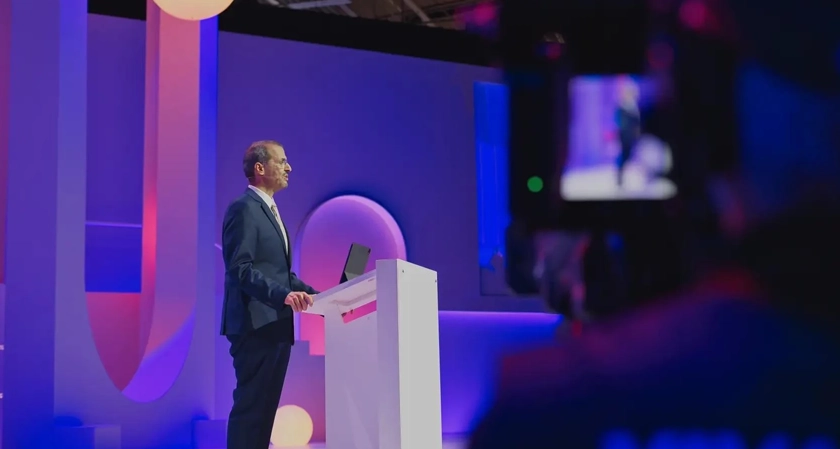
Business event photos have specific jobs to do, from next week’s LinkedIn post to next year’s sales deck, so they need to be planned and shot with those uses in mind. That takes a particular set of skills and experience. Choosing the right photographer for a business event comes down to four steps: building a shortlist, reviewing their past work, interviewing them, and checking their reviews.
Build a shortlist
Reach out to your contacts for word-of-mouth recommendations or use Google. You’re looking for a photographer who has experience with business events, ideally the specific type of event you’re running, as not all business events are the same. A gala requires someone close to a portrait and lighting specialist, whereas a conference needs something more like a photojournalist with strong logistics. For a brand activation, the right photographer will usually have content marketing experience.
Ask for a full gallery from one real event like yours, not just a highlight reel
A portfolio shows a photographer at their best, whereas a full gallery from a single event shows you what you’ll actually receive, including the shots that wouldn’t make a highlight reel. Ask to see one from an event similar in size and format to yours.
What do good event photos look like?
It can be difficult to know exactly ‘what good looks like’ if you don’t often work with photographers. Here’s what to check.
Technically sound, even in poor light
For shots of people, the main subject should be sharp - especially the eyes. There shouldn’t be any blown-out highlights or murky shadows if the exposure has been set correctly. Skin tones should look natural, without the orange or green tones that venue lighting can sometimes cause. Event venues can be dark and lit by a mix of light sources, so clean, low-noise shots without harsh, direct flash are a sign of a skilled photographer.
Real moments, with people looking good in them
The best photos from business events aren’t of people in stiff poses. Instead, they should capture candid peak moments: a speaker mid-gesture, a laugh during networking, a round of applause. A good photographer also removes unflattering frames from the final gallery: no closed eyes, no mid-chew shots, no awkward angles.
Coverage that tells the story
The gallery should have a mix of wide establishing shots of the venue, crowd, and stage with mid shots of people interacting and close-up details such as branding, food, name badges, and hands. Someone who wasn’t there should be able to look through it and get a good feel for what the event was like.
Consistency across the whole set
The editing style, color, and quality should be consistent from the first frame to the last. Composition should be clean, with level horizons and no exit signs or clutter emerging from people’s heads. Consistency is what separates the real professionals from those who got lucky with 20 good shots.
Interview candidates
Interview candidates before you book, because how they work with people matters as much as how proficient they are with a camera. You’re looking for someone who communicates clearly, confidently, and professionally, and who can put people at ease, especially if they’ll be asked to set up more formal shots. The interview is also a chance to see how organized and detail-oriented they are.
Agree on expectations up front
Any experienced business event photographer will be used to agreeing on clear expectations ahead of the event. You can use the interview to run through the following points and gauge their responses.
- The brief. They should be happy to work to a written brief that covers the shot list, key people, brand guidelines, no-go areas, consent rules, and where the photos will be used.
- Backup plans. There are no second chances at an event, so choose someone who can explain the backup plans they have in place if their kit fails or they’re sick on the day.
- Delivery timelines. Ask who does the editing and when the first edits will arrive. If there are multiple photographers, will one person edit everything to keep the shots consistent? Will you get a selection soon after the event so you can use it on social media?
- What’s included, and what isn’t? How will you be charged if the event overruns?
- Usage rights. Confirm exactly what rights you’ll have over the images.
Check online reviews
As a final step, it’s always worth checking the photographer’s Google reviews. Keep in mind that everyone has off days and things sometimes don’t work out, so the odd bad review isn’t a red flag in itself. What matters is whether the photographer tried to resolve the issue and did their best to put it right.
Use a tried-and-tested production partner
If all of that sounds like a lot of work, you can bring in a specialist production partner to run the whole process for you. Shootday assigns vetted local crew in 150+ cities worldwide, all working to one brief, with one account manager from booking to delivery. Backup crew is on standby, Shootday’s central editing team keeps the look consistent, and edited photos start arriving 24 hours after the event. You get full commercial usage rights, and Shootday is rated 4.9 on Trustpilot and Google across more than 5,000 shoots.
Find out more about Shootday’s corporate event photography services.













Comments