>>
Industry>>
Legal>>
How Truck Accidents Can Cause ...How Truck Accidents Can Cause Further Damage After the Initial Crash
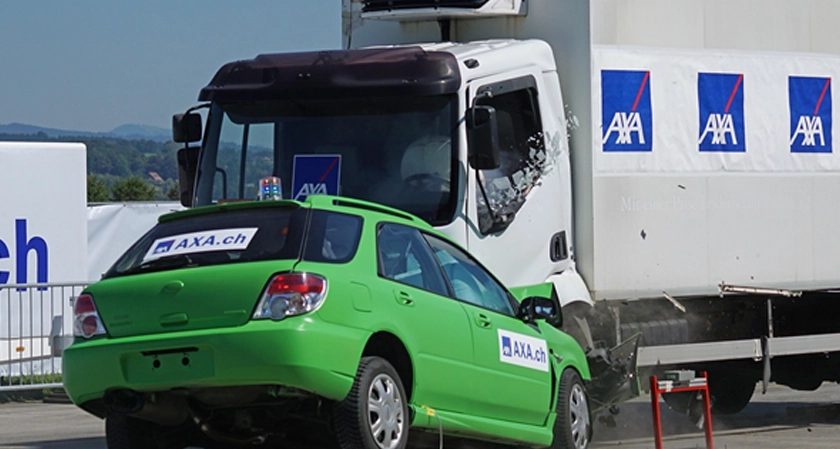
A truck accident can cause damage that extends far beyond the first impact. Because commercial trucks are significantly heavier and larger than passenger vehicles, an initial collision can trigger secondary crashes, fires, hazardous material spills, and additional injuries. These events may occur within seconds or continue developing after the vehicles have stopped moving.
Understanding the truck accident statistics can help explain why the consequences of these collisions deserve serious attention. However, the full impact of a truck accident is not always reflected in the initial crash report. Secondary collisions, damaged infrastructure, and delayed medical complications can create additional losses for victims and surrounding communities.
How Secondary Collisions Increase Damage
One of the most serious risks after an initial truck collision is a secondary crash. A passenger vehicle may be pushed into another lane, while a truck may continue moving because of its weight and momentum.
Other drivers approaching the accident scene may also have limited time to react. Poor visibility, blocked lanes, and debris can increase the risk of additional collisions.
These secondary impacts can result in:
- More damaged vehicles and property.
- Additional injuries to drivers, passengers, and pedestrians.
- Traffic congestion and dangerous road conditions.
- Further emergency response requirements.
Fires and Hazardous Material Spills
Truck accidents involving fuel tanks, cargo containers, or hazardous materials can create additional dangers. A damaged fuel tank may leak diesel or gasoline, increasing the risk of fire if an ignition source is present.
If the truck carries chemicals or other regulated materials, a damaged container may release substances onto the roadway or nearby land. Emergency crews may need to establish safety zones, close roads, and arrange specialized cleanup.
Even when no fire occurs, spilled materials can create environmental hazards and make the accident scene more dangerous for responders and other motorists.
Delayed Injuries and Medical Complications
Not every injury becomes apparent immediately after a truck crash. Victims may initially feel shaken or experience only minor discomfort, but symptoms can develop or worsen over time.
Common delayed medical concerns include:
- Concussions: Head injuries may cause headaches, dizziness, confusion, or memory problems.
- Internal injuries: Internal bleeding and organ damage may not produce obvious early symptoms.
- Soft tissue injuries: Neck, back, and muscle injuries can become more painful as inflammation develops.
- Psychological effects: Anxiety, sleep disturbances, and post-traumatic stress symptoms may appear after the collision.
Prompt medical evaluation is important even when injuries initially seem minor.
Damage to Roads and Surrounding Property
The weight of a commercial truck can cause significant damage to road barriers, guardrails, traffic signs, and other infrastructure. A truck carrying heavy cargo may also spill its load across multiple lanes, damaging nearby vehicles and creating additional hazards.
Property damage can extend to buildings, fences, utility equipment, and parked vehicles when a truck leaves the roadway. Repairs and cleanup may require road closures and disrupt nearby businesses and daily travel.
Why Proper Accident Investigation Matters
Determining the full extent of damage requires more than examining the initial point of impact. Investigators may need to review vehicle positions, skid marks, cargo conditions, road evidence, witness statements, and available camera footage.
A complete investigation can help establish how secondary collisions occurred and identify all potentially responsible parties. Depending on the circumstances, liability may involve the truck driver, trucking company, cargo handlers, or other parties.
Key Takeaways
- Truck accidents can trigger secondary collisions and additional injuries.
- Damaged fuel tanks and cargo containers may cause fires or hazardous material spills.
- Some medical conditions become noticeable hours or days after a crash.
- Heavy trucks can damage road infrastructure and nearby property.
- Debris and blocked lanes can create further risks for approaching motorists.
- A thorough investigation helps establish the full extent and causes of accident-related damage.













Comments