>>
Industry>>
Banking and insurance>>
How U.S. Expats Can Catch Up o...How U.S. Expats Can Catch Up on Overdue Tax Returns
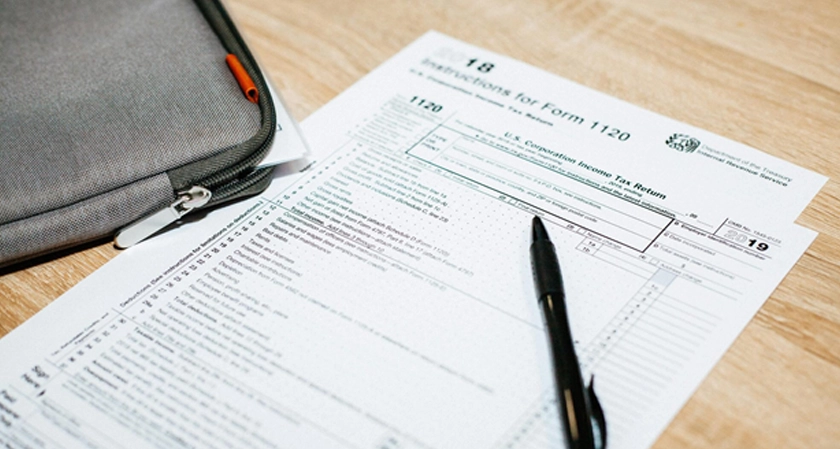
Falling behind on U.S. expat taxes while living abroad is more common than expats realize, but it’s fixable. The U.S. taxes citizens on worldwide income wherever they live, so years can pass before someone realizes they should be filing. The IRS offers a way back into compliance.
According to FinCEN.gov, any American whose foreign accounts exceed $10,000 at any point in the year must report them to the U.S. Treasury. Missing that report is where the penalty risk lives for most expats.
So how do you come forward without triggering the penalties you fear? Understanding the process turns stress into clear steps.
Is It a Missed Tax Return or a Missed FBAR?
The first step is knowing exactly what you missed, because these are two separate obligations handled by two separate systems. A federal income tax return (Form 1040) reports your worldwide income to the IRS.
On the other hand, FBAR (FinCEN Form 114) reports your foreign bank and financial accounts to the Treasury. You can owe one without owing the other.
Most expats are surprised to learn they likely owe little or no actual tax. As per the IRS, the Foreign Earned Income Exclusion lets qualifying expats exclude a large share of their earnings, up to $130,000 for 2025, rising to $132,900 for 2026. Also, the foreign tax credit often erases whatever remains.
The missed filings are usually the real exposure. Sorting out which returns and which FBARs you skipped is the foundation for everything that follows.
What Are the Seven Essentials to Gather Before Filing?
Before you start, assemble your records. Catching up means recreating several years of financial history, and the streamlined process asks for more years of some documents than others. Gather these seven essentials:
- Three years of income records from employment, self-employment, and investment income
- Six years of foreign account statements, including each account’s highest balance
- Foreign taxes paid so that you can claim the foreign tax credit
- Housing and living-cost records that support the foreign housing exclusion
- A log of your travel and physical presence outside the U.S.
- Any prior U.S. tax returns, or confirmation that none were ever filed
- Social Security numbers or ITINs for you and your dependents
Having these in hand before you begin allows for streamlined tax filing with Expatfile. Complete records will help the rest of the process move quickly.
Do You Meet the Non-Willful Standard?
The main catch-up route, which is the IRS Streamlined Filing Compliance Procedures, is open only to expats whose failure to file was non-willful. This situation means your lapse came from a genuine misunderstanding, not a deliberate choice to hide income.
You must follow the official streamlined filing compliance procedures if you meet the non-willful standard. Non-willful conduct covers the vast majority of expats, who never knew the rules applied to them abroad.
However, if your conduct was willful, the streamlined program is the wrong door. You have to follow a different voluntary-disclosure path instead.
How Does the Streamlined Filing Process Work?
Once you’re eligible and your records are ready, the steps are easy. You file three years of delinquent or amended returns plus six years of FBARs. Next, you’ll have to complete Form 14653, the non-willful certification explaining why you fell behind.
You can use streamlined tax-filing software to keep each year in order. Before submitting, confirm the returns, FBARs, and certification align. Conflicting figures are a top trigger for scrutiny, so be careful.
Work on Your Expat Taxes Without Fear
Catching up on overdue expat taxes isn’t as painful as the dread that precedes it. Identify what you missed, confirm you were non-willful, gather your records, and work through the streamlined package methodically.
The sooner you start, the smaller the risk of it growing. Take the first step toward getting compliant today.
Explore our website to learn more about compliance and governance.













Comments