>>
Technology>>
E commerce>>
The Hidden E-Commerce Engine: ...The Hidden E-Commerce Engine: How Warehouse Uptime Protects Every Order
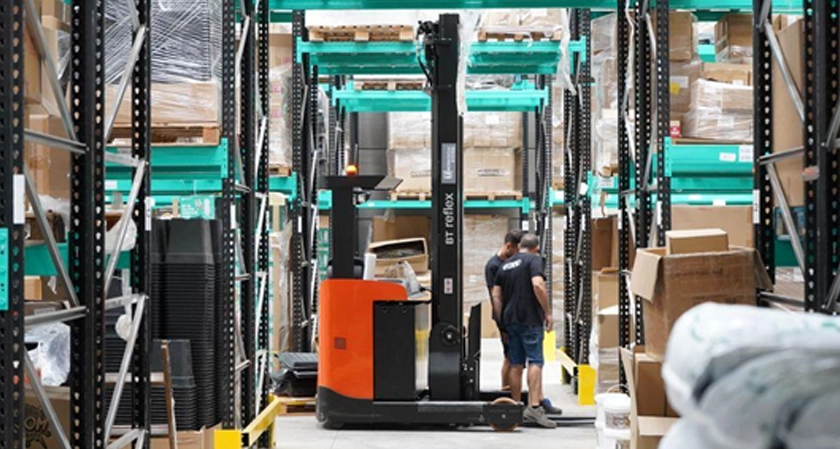
When people think about e-commerce, they often picture online storefronts, payment systems, and delivery notifications. Behind every order, however, is a physical operation that must receive inventory, move products, replenish shelves, pack parcels, and prepare shipments. Forklifts, pallet jacks, conveyor rollers, batteries, and replacement parts help make that work possible. When equipment fails, the effects can reach far beyond the warehouse floor. Reliable material-handling equipment is therefore an important part of delivering the speed and consistency customers expect.
E-Commerce Performance Depends on Warehouse Equipment
A polished online store cannot compensate for a fulfillment operation that repeatedly falls behind. Every digital order eventually becomes a sequence of physical tasks: locating stock, moving goods, scanning items, packing parcels, and preparing shipments. Each step depends on people, systems, and equipment working together.
A forklift breakdown can interrupt putaway, replenishment, and outbound staging in the same shift. In a lean operation, even a short delay can create backlogs, overtime, and missed shipping cutoffs. Customers may never know that a hydraulic hose failed or a battery connector wore out; they simply notice that their order has not moved as expected.
Equipment reliability therefore belongs in the wider conversation about customer experience. E-commerce may be managed through software, but its promises are fulfilled through physical processes. Keeping those processes dependable requires maintenance planning, trained staff, and access to suitable replacement components.
Parts Availability Is Part of the Fulfillment Strategy
Replacement parts were once treated mainly as a maintenance department concern. With tighter delivery windows and rising operating costs, procurement decisions can directly affect warehouse output. A delayed component may keep a lift truck out of service, slow replenishment, and force supervisors to reassign workers or equipment.
Imagine a busy fulfillment center during a demand spike. If a Raymond lift truck needs a specific component and the part cannot be sourced quickly, the team must work around the missing machine. Other vehicles may be diverted from their usual tasks, travel paths can become congested, and orders may take longer to reach packing stations. Technical repair skills are essential, but they cannot solve a delay caused by unavailable inventory.
Online parts sourcing can help maintenance teams identify compatible components and explore replacement options. Raymond is a well-known manufacturer of material-handling equipment, making accurate parts identification important for keeping its lift trucks in service.
You can find out more by visiting the Intella Parts website and exploring the available replacement parts for your warehouse equipment.
Predictive Maintenance Needs Practical Parts Planning
Telematics and predictive maintenance tools can help teams spot warning signs before a failure stops work. Usage hours, diagnostic alerts, and recurring service records may indicate that a component needs attention. But identifying a potential problem is only the first step. The benefit depends on whether the team can obtain the part, schedule qualified labor, and complete the repair before the equipment becomes unavailable.
A useful workflow connects equipment alerts with service history, technician schedules, inventory records, and supplier lead times. Without that connection, alerts can become notifications that no one has the capacity to act on. A battery connector showing wear, for example, matters most when the team can plan a safe replacement before the issue interrupts operations.
Warehouse leaders can begin by identifying components that commonly fail, recording equipment models and serial numbers, and setting sensible reorder points for critical spares. Reviewing lead times and checking compatibility before ordering can also reduce delays caused by incorrect parts. Predictive tools work best when the supply process is ready to support them.
The True Cost of Downtime Goes Beyond Repairs
Repair invoices reveal only part of the cost of equipment failure. Downtime can also affect labor productivity, delivery performance, customer service workload, and employee stress. A single vehicle being unavailable during a busy inbound period may cause pallets to accumulate at receiving. Putaway slows, fast-moving stock is not replenished promptly, and pickers may spend more time reaching products. By the afternoon, packing stations can become unevenly loaded and outbound deadlines harder to meet.
These indirect effects can be especially difficult for smaller retailers and fulfillment teams. They may have fewer spare vehicles, less flexibility in staffing, and limited room to absorb an unexpected delay. A clear view of downtime should therefore include more than repair time. Track how often assets fail, how long they remain unavailable, which workflows are affected, and whether the same issue keeps returning.
That information helps managers distinguish an isolated incident from a pattern that needs attention. It can also support better decisions about preventive maintenance, replacement timing, and which spare parts deserve priority.
Use Inspections to Catch Problems Early
A dependable maintenance program starts with consistent checks. Operators should complete the required pre-use inspections, report defects promptly, and avoid using equipment that is unsafe or needs repair. Maintenance staff should follow manufacturer guidance and applicable workplace safety requirements rather than relying on improvised fixes.
The Occupational Safety and Health Administration’s forklift maintenance guidance explains important considerations for keeping powered industrial trucks in safe working condition.
Inspections should be practical enough to complete properly every shift. Keep checklists relevant to the equipment in use, make reporting straightforward, and review repeated defects instead of treating each repair as unrelated. The aim is to spot concerns early, remove unsafe equipment from service when necessary, and make repairs through qualified personnel.
Treat Equipment Sourcing as an Operational Decision
Reactive purchasing often begins with a breakdown and ends with a rushed order. A more resilient approach starts with a basic fleet and parts register. Record each truck’s make, model, serial number, service history, and common wear components. Standardize suppliers where it makes sense, while still confirming that each part meets the equipment’s requirements.
Clear records help staff identify the right component under pressure and reduce the risk of ordering something incompatible. They also make it easier to compare supplier responsiveness, product information, availability, and delivery estimates. A fast shipment is useful only if the part is correct and appropriate for the machine.
For operations handling direct-to-consumer orders, wholesale replenishment, and returns, equipment reliability can affect several workflows at once. Procurement is not just an administrative task; it supports the wider system that moves products through the business. The National Institute for Occupational Safety and Health’s daily inspection guidance also provides practical information about identifying potential issues before equipment is used.
Build Resilience Through Everyday Habits
Warehouse resilience does not require a complicated transformation. Start by completing inspections consistently, tracking repeat failures, and keeping accurate equipment records. Set reorder points for critical components, review supplier lead times, and make sure maintenance staff can confirm compatibility before an order is placed. After significant downtime, review what happened and whether better planning could prevent a similar interruption.
These habits connect maintenance, purchasing, and fulfillment around a shared goal: keeping work moving safely and predictably. They also help managers make decisions based on recurring evidence rather than last-minute pressure.
E-commerce customers expect accurate inventory, timely dispatch, and reliable updates. Meeting those expectations depends not only on software and delivery partners but also on the equipment used every day inside the warehouse. Businesses that treat parts availability and maintenance as core operational priorities are better prepared to respond when something fails—and more likely to keep orders moving when demand rises.













Comments