>>
Industry>>
Defense technology>>
Qeshm Island Strikes: US Milit...Qeshm Island Strikes: US Military Launches Defensive Attacks Amid Iran Tensions
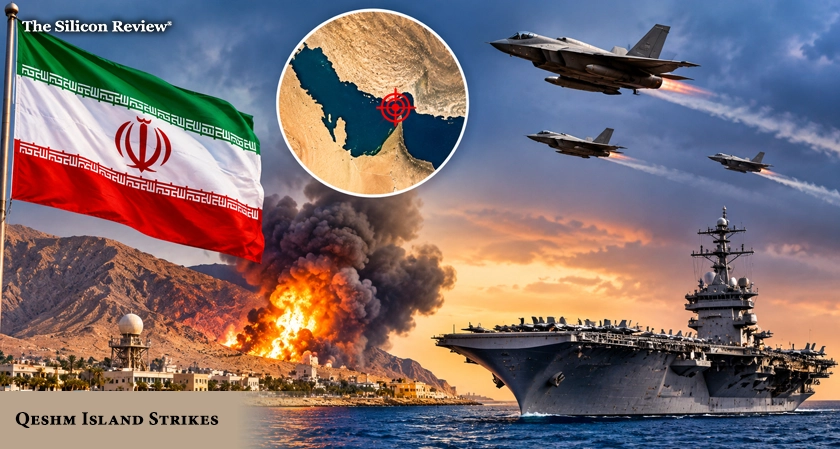
US forces strike Iran's Qeshm Island in a defensive operation, escalating tensions around the Strait of Hormuz as Washington and Tehran continue diplomatic negotiations.
News source: Google / https://www.reuters.com/
The United States military has conducted limited strikes on Iran's Qeshm Island, with American officials describing the operation as defensive action intended to protect US assets in the region. The November 2 operation, confirmed by US officials on November 3, comes amid continuing tensions between Washington and Tehran despite ongoing diplomatic efforts to prevent a wider military confrontation.
Three US officials confirmed the strikes, with one indicating that the operation followed Iranian fire directed at an American aircraft. Another official described the action as a response to Iranian forces using surface-to-air missiles against US assets. The strikes were reportedly limited in scope and did not represent a return to major combat operations. However, the development highlights how quickly the fragile situation between the two countries could deteriorate despite diplomatic engagement.
Why Qeshm Matters
Qeshm Island occupies a strategically important position near the Strait of Hormuz, one of the world's most critical maritime energy corridors. Located off Iran's southern coast, the island provides Tehran with a significant geographical position overlooking shipping activity in the Persian Gulf. The Strait of Hormuz handles a substantial share of global oil shipments. Before the current conflict, approximately 20 million barrels of oil passed through the waterway every day.
Any military confrontation around Qeshm therefore carries consequences beyond the immediate US-Iran dispute. Commercial shipping, energy transportation, insurance costs and international oil markets remain exposed to instability in the region. Iran has repeatedly asserted control over maritime traffic through the strait, while the United States maintains that protecting regional security and its military assets remains a priority.
Washington's Defensive Position
The President Trump administration has characterized the operation as a defensive measure rather than the beginning of another major military campaign. US officials indicated that the strikes were intended to address threats posed by Iranian missile activity against American assets. The operation also follows reports of several previously undisclosed US strikes against Iranian targets in recent weeks. Washington has reportedly sought to keep these operations relatively low-profile while diplomatic negotiations continue.
The timing is particularly significant because President Donald Trump had previously suggested that the United States would avoid launching new attacks before the November 3 midterm elections. Despite the latest military action, Trump has continued to leave the possibility of a diplomatic agreement open. Vice President JD Vance has also indicated that Washington and Tehran have made some progress toward finding a way out of the conflict.
Tehran's Response
Iran has responded to the latest developments with strong warnings against further American military action. Parliamentary speaker Mohammad Bagher Ghalibaf, who is involved in negotiations with Washington, stated that Iran would not surrender to military pressure. He also warned that any further military escalation could trigger an unpredictable strategic response.
The statements underline the difficult position facing both governments. While diplomatic discussions remain possible, continued military exchanges create the risk of miscalculation, particularly around strategically sensitive locations such as Qeshm Island and the Strait of Hormuz. Iranian state media also reported several explosions on Qeshm Island following the operation. However, independently verified details about the full extent of damage and casualties were not immediately available.
The Global Energy Risk
The latest US-Iran confrontation carries significant implications for international energy markets. The Strait of Hormuz is essential to global oil and liquefied natural gas transportation, making any disruption potentially expensive for energy-importing economies. Oil prices moved higher in early Asian trading following reports of the strikes, reversing some of the earlier optimism surrounding diplomatic negotiations.
For Asian economies, particularly major energy importers such as India, China, Japan and South Korea, prolonged instability could translate into higher crude oil prices, increased transportation expenses and renewed inflationary pressure. The consequences extend beyond energy markets. Shipping insurance, freight rates, regional investment confidence and supply-chain reliability could all face additional pressure if military tensions intensify.
The Silicon Review Perspective
Here is the question The Silicon Review raises. Washington describes the Qeshm Island operation as defensive, while Tehran warns that further military action could trigger an unpredictable response. If both countries continue using military force while simultaneously negotiating a diplomatic settlement, how long can the Strait of Hormuz remain a functioning global trade corridor without becoming the centre of a much larger confrontation?
The latest strikes demonstrate that the US-Iran conflict remains unresolved despite diplomatic progress. For the international community, the priority is no longer simply preventing another military escalation. It is protecting one of the world's most important energy transportation routes from becoming an extended casualty of geopolitical confrontation.
FAQ:
Q: Why did the US military strike Qeshm Island?
A: US officials described the strikes as defensive measures following Iranian missile activity against American military assets.
Q: Where is Qeshm Island located?
A: Qeshm Island is located off Iran's southern coast near the strategically important Strait of Hormuz.
Q: What is the significance of the Strait of Hormuz?
A: It is a critical international shipping corridor through which a substantial share of the world's oil supplies travels.
Q: What has Iran said about the US strikes?
A: Iranian parliamentary speaker Mohammad Bagher Ghalibaf warned that further military action could trigger an unpredictable response.
Q: How could the Qeshm Island strikes affect global oil prices?
A: Escalating tensions could threaten shipping security, increase transportation costs and create uncertainty in international energy markets.
Q: Are the US and Iran still pursuing diplomatic negotiations?
A: Yes. Both governments have continued exploring a diplomatic settlement despite ongoing military tensions.













Comments