>>
Other>>
Politics>>
Israel's Eisenkot Seals First ...Israel's Eisenkot Seals First Coalition Deal With Yisrael Beiteinu
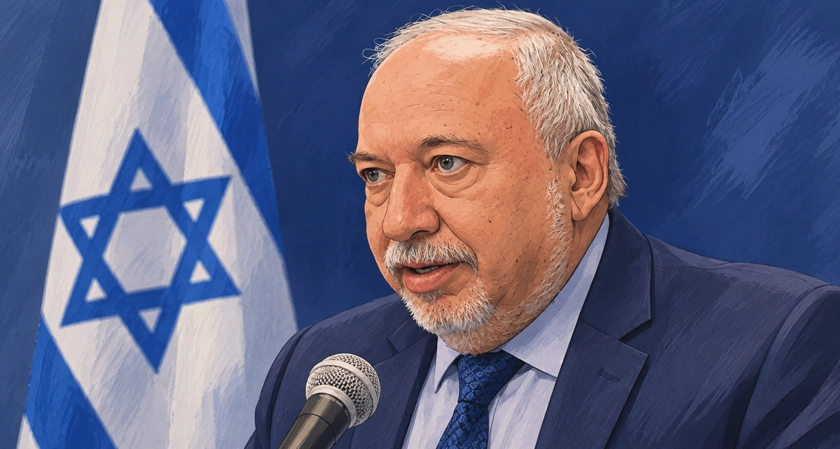
Israeli Prime Minister-designate Gadi Eisenkot signed his first coalition pact with Avigdor Lieberman’s Yisrael Beiteinu, advancing efforts to form a Knesset majority.
News Source: https://www.reuters.com/
On Tuesday, November 24, 2026, Israeli Prime Minister-designate Gadi Eisenkot signed his first formal coalition agreement with Avigdor Lieberman's right-wing Yisrael Beiteinu party, marking a significant turning point in his attempts to establish a new government. The agreement unites Yisrael Beiteinu's seven members in Israel's 120-member parliament, the Knesset, with Eisenkot's centrist Yashar party, which has 21 seats, according to sources from Reuters and Le Monde.
The development comes after the legislative election on October 27, which was indecisive and left no political party with a definite parliamentary majority. After 67 MPs endorsed Eisenkot for the position, President Isaac Herzog officially assigned him the job of forming a coalition. In order to obtain a 61-seat majority, the former military leader has a 28-day mandate under Israeli legislation that expires on December 6. While caretaker Prime Minister Benjamin Netanyahu is still in office, he may ask for a 14-day extension.
Both Yashar and Yisrael Beiteinu claimed to have settled fundamental differences and built a common base on important national concerns in a joint statement announcing the deal. The agreement is the first tangible step toward forming a governing coalition, even if exact cabinet roles and policy conditions were not immediately revealed. Even with this early momentum, Eisenkot still has a long way to go before reaching 61 seats. In the Knesset, Eisenkot's larger opposition group has 48 MPs overall, while Netanyahu's right-wing and religious majority has 53. The Joint List, which has eleven members, and Ra'am, which has eight, are the two Arab-majority groupings that have the remaining 19 seats.
Yair Golan's left-wing Democrats party, which holds eight seats, declared on Tuesday night that it was halting coalition talks with Yashar, making Eisenkot's calculations more difficult. Le Monde claims that in addition to allegations of parallel talks between Eisenkot and Netanyahu's Likud party over a possible national unity government, the Democrats cited impasse over creating a "change government" that is only anti-Netanyahu.
Eisenkot's most difficult task is still bridging the ideological gap between possible partners. Lieberman has adamantly rejected a unity alliance with Netanyahu and refused to join any government that depends on support from Arab-majority parties. On the other hand, Golan has advocated for an anti-Netanyahu alliance backed by Arab legislators. Herzog may provide the mandate to Netanyahu, with the possibility of another national election in 2027, if Eisenkot is unable to resolve these conflicting red lines before his term ends.
FAQs:
Q: Who did Gadi Eisenkot sign his first coalition agreement with?
A: On November 24, 2026, Israeli Prime Minister-designate Gadi Eisenkot signed his first coalition agreement with the right-wing Yisrael Beiteinu party led by Avigdor Lieberman.
Q: How many Knesset seats do Yashar and Yisrael Beiteinu hold together?
A: Out of the 61 seats required for a Knesset majority, Lieberman's Yisrael Beiteinu (7 seats) and Eisenkot's Yashar party (21 seats) together possess 28 seats.
Q: What is Gadi Eisenkot’s deadline to form a new Israeli government?
A: President Isaac Herzog gave Eisenkot a 28-day initial mandate, with a 14-day extension option, to form a coalition by December 6, 2026.
Q: Why did The Democrats suspend coalition talks with Gadi Eisenkot?
A: On November 24, Yair Golan's left-wing Democratic Party called off discussions due to the inability to establish a "change government" and rumors that Eisenkot was having unification talks with Benjamin Netanyahu's Likud.
Q: What is the current seat breakdown in Israel’s 120-seat Knesset?
A: After the election on October 27, 2026, Eisenkot's opposition alliance has 48 seats, Netanyahu's bloc has 53 seats, and Arab-majority parties have 19 seats.













Comments