>>
Industry>>
Environmental sustainability>>
Met Office Issues Cold Weather...Met Office Issues Cold Weather Alerts for Scotland and Northern England as Snow and Ice Threaten Travel
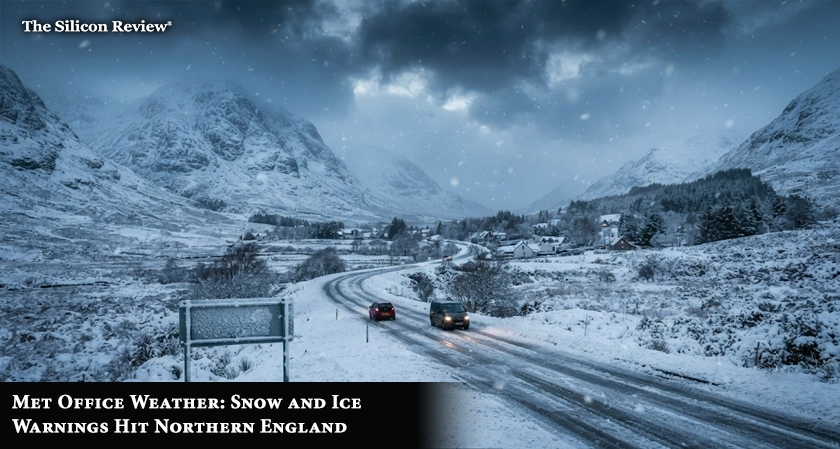
The Met Office has issued yellow weather warnings for snow and ice across parts of Scotland and northern England. Meanwhile, UKHSA has activated yellow cold-health alerts for North West England, North East England and Yorkshire and the Humber.
News source: Google / https://www.bbc.com/
The UK is facing a cold spell, with the Met Office issuing weather warnings for snow and ice across parts of Scotland and northern England, while the UK Health Security Agency (UKHSA) has activated yellow cold-health alerts for several regions. The warnings highlight potential travel disruption, icy roads and increased health risks for vulnerable people as temperatures fall across the country.
The latest weather forecast indicates that snowfall is most likely over higher ground, while lower-lying areas could experience rain, freezing conditions and icy surfaces. Greater Manchester, Yorkshire and other parts of northern England are among the areas facing unsettled winter weather.
Met Office Weather Warnings for Snow and Ice
The Met Office initially issued yellow weather warnings for ice across central and eastern Scotland, with the warning covering the period from Sunday evening, November 15, into Monday morning, November 16. The warning highlighted the possibility of icy stretches developing on untreated roads, pavements and cycle paths, increasing the risk of road accidents, slips and falls.
On November 16, the Met Office also updated its yellow snow warning for parts of southern Scotland and northern and central England, covering overnight conditions into Tuesday morning, November 17. According to Met Office forecasts, a band of rain moving northwards would encounter colder air and temporarily turn to snow. The greatest chance of accumulating snowfall was expected above 200 metres, with 1 - 5cm possible in some locations and 5 - 15cm over higher ground above 300 - 400 metres.
Strong easterly winds could increase the risk of travel disruption, particularly on elevated roads and exposed routes. The Met Office has advised people to monitor local weather updates, check travel conditions and take precautions when travelling during icy periods.
UKHSA Warning: Cold Weather Raises Health Concerns
Alongside the weather warnings, the UK Health Security Agency issued yellow cold-health alerts for:
- North West England
- North East England
- Yorkshire and the Humber
The alerts came into effect at 9pm on Sunday, November 15, and were scheduled to remain active until Thursday morning, November 19. According to the UKHSA, the cold conditions could have minor impacts on health and social care services, including increased demand for healthcare and a greater risk to life among vulnerable people. Older adults, particularly those aged 65 and above, and individuals with existing health conditions are considered more vulnerable to prolonged cold weather.
Paul Coleman, a consultant in public health at the UKHSA, advised people to check on older relatives, friends and neighbours who may struggle during colder periods. The agency also recommends keeping frequently used rooms comfortably heated and wearing appropriate clothing to maintain body warmth.
Northern England Weather: Manchester and Sheffield under Focus
The changing weather conditions have placed northern England under particular attention, with snow, rain, frost and ice expected across different locations.
Manchester Weather
Greater Manchester was included in the wider Met Office snow-warning area announced on November 16. The forecast indicated that higher ground across the region could experience snowfall, while lower elevations were more likely to see rain or temporary snow. Residents were advised to remain alert to changing road conditions, particularly during early-morning travel.
Sheffield Weather
Sheffield and the wider Yorkshire region are also relevant to the cold-weather outlook, with Yorkshire and the Humber included in the UKHSA's yellow cold-health alert. The broader northern England forecast indicated a possibility of snow over elevated areas, alongside cold temperatures and unsettled conditions. Local snowfall and ice risks may vary depending on elevation and the timing of passing weather systems. Residents should consult the Met Office's local weather forecast for the latest conditions in Sheffield.
Travel Disruption and Public Safety Advice
The combination of snowfall, freezing temperatures and strong winds could affect road and rail networks across northern parts of the UK.
The Met Office has highlighted several potential impacts:
- Icy patches on untreated roads, pavements and cycle paths.
- Slower journeys and possible disruption to road and rail services.
- Reduced visibility and difficult driving conditions in areas experiencing snow.
- Increased risks of slips, falls and weather-related injuries.
The yellow snow warning issued for Tuesday, November 17, was scheduled to remain in force until 11am. Motorists have been advised to check road conditions before travelling, while pedestrians should take extra care on untreated footpaths. The public is also encouraged to follow official Met Office updates as weather warnings can change depending on developing conditions.
What the Cold Spell Means for the UK
The latest cold spell highlights the wider challenges associated with increasingly unpredictable seasonal weather and the importance of public preparedness during winter. While the immediate concern is travel disruption and the health impact of low temperatures, prolonged cold conditions can also increase household energy demand as people rely more heavily on heating. Public health agencies are therefore emphasising early preparation, particularly for vulnerable households and communities that may struggle to maintain adequate indoor temperatures. With further cold conditions forecast towards the end of the week, the Met Office expects overnight frost to become more widespread across parts of the country. For residents across Scotland and northern England, monitoring the latest weather forecast and following public health guidance will remain important as winter conditions develop.
FAQ
Q: What weather warnings has the Met Offices issued?
A: Yellow weather warnings for ice and snow have been issued across parts of Scotland and northern England.
Q: Which areas are covered by the UKHSA cold-health alert?
A: North West England, North East England, and Yorkshire and the Humber.
Q: How long will the UKHSA warning remain in place?
A: The yellow cold-health alerts are scheduled to remain in place until Thursday morning, November 19, 2026.
Q: What does a yellow cold-health alert mean?
A: It indicates that cold weather could have minor impacts on health and social care services, with increased risks for vulnerable people.
Q: Is Manchester affected by the snow warning?
A: Greater Manchester was included in the wider yellow snow-warning area issued on November 16, particularly concerning the potential for snow and travel disruption.
Q: What is the weather forecast for Sheffield?
A: Sheffield and the wider Yorkshire region are experiencing a cold-weather outlook, with the potential for snow over higher ground and cold conditions.
Q: Who is most at risk during the cold spell?
A: Older people, particularly those aged 65 and above, people with existing health conditions and other vulnerable individuals.
Q: What precautions has the UKHSA recommended?
A: Keeping frequently used rooms comfortably warm, wearing suitable clothing and checking on vulnerable friends, relatives and neighbours.













Comments