>>
Technology>>
Smart home technologies>>
Why Smart Spaces Technology So...Why Smart Spaces Technology Solutions Are Reshaping Workplaces
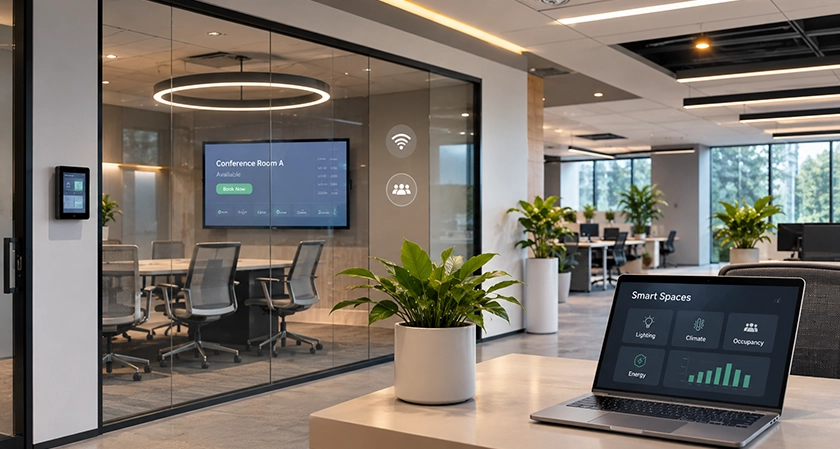
An office can be busy without using its space well. Meeting rooms sit empty after reservations, employees search for desks, and building systems run in areas nobody occupies. Smart spaces connect information about a workplace to decisions about how it operates. The value depends on what an organization measures and how it responds. A useful starting point is the difference between a room that is booked and one that is occupied.
See How Rooms are Used
A reservation shows an intention to use a room, while an occupancy sensor records whether people are present. Together, these signals give facilities teams a clearer picture of demand. In this context, smart spaces technology solutions connect workplace data with practical decisions about room availability and office layout. However, teams need to interpret these patterns carefully before making changes to the workspace.
For example, a room reserved for an hour might be empty for much of the booking. A release policy could return unused rooms to the booking system, provided employees know how it works and have a reasonable way to confirm their reservations.
Patterns across working days also matter. A quiet day alone is a poor basis for removing desks or meeting rooms. Comparing usage across several similar days helps teams distinguish temporary changes in attendance from consistent demand patterns.
Make Office Visits Easier
Employees need reliable information before they choose where to work. A desk-booking system can show available seats, while a room display can indicate whether a space is reserved. Both are more useful when the information matches conditions on the floor.
Workplace teams should test the process with people who use it. Can an employee find a suitable desk without checking several screens? Is an accessible meeting room easy to identify and reserve?
Clear procedures matter when technology fails, too. A visible contact and a manual booking option give staff a way to resolve conflicts without losing access to the workspace they need.
Adjust Building Systems to Demand
Occupancy information can guide lighting, heating, and cooling schedules. For example, a facilities team can review whether an unoccupied area needs the same operating schedule as a busy one. The team should check comfort complaints and maintenance records before making changes.
Automation needs limits. A sensor can miss a person who is sitting still, so controls should allow manual adjustments and account for the sensor's capabilities. Shared spaces also need different settings when a scheduled event runs late.
Comparing utility records before and after a change gives the team a way to assess the result. Weather and office attendance should be considered alongside those records.
Protect Employee Privacy
Workplace data can reveal sensitive patterns, even when its original purpose is space planning. Organizations should decide what they need to measure before collecting information about people. Room-level occupancy counts, for instance, answer a different question from records tied to individual employees.
A clear policy should explain what is collected, who has access, how long records are kept, and when they are deleted. Employees also need a way to ask questions or report concerns.
Access controls deserve regular review. A facilities manager assessing room demand does not necessarily need the same information as an administrator troubleshooting a reservation.
Connect Data to Decisions
A dashboard is useful only when someone acts on what it shows. Before collecting data, a workplace team should identify the operational decision it wants to improve and assign someone to act on the findings.
A room-planning review could include these checks:
-
Compare reservations with occupancy records across different working days.
-
Check whether frequently requested rooms have the equipment employees need.
-
Record employee complaints alongside the data before changing room assignments.
-
Review results after a change and correct problems that appear.
A room with low occupancy is not automatically surplus. It could support private conversations or equipment that is unavailable elsewhere. Staff feedback adds context that a sensor cannot provide.
Test Changes Before Expanding
A small trial gives an organization a chance to check whether a proposed system works in its building. A facilities team might start with one floor and a specific issue, such as finding available meeting rooms. The trial should include employees who use the space and staff who maintain it.
Before launch, the team should record the current process and agree on a review method. It should also check compatibility with existing booking and building systems, including who will resolve conflicting records.
After the trial, compare the results with staff feedback and operating requirements. A wider rollout makes sense only if the organization addresses technical or operational issues.
Conclusion
A practical smart workplace starts with a decision, not a collection of devices. An organization struggling with empty room reservations can begin by comparing booking records with occupancy data, then test a release policy on one floor. Staff feedback should shape the rules, especially when meetings run late or sensors miss activity. Before expanding the trial, the team should check whether employees find rooms more easily and whether the data collection remains appropriate for that purpose.













Comments