>>
Industry>>
Real estate>>
The Architectural Finishing To...The Architectural Finishing Touches That Bring Luxury to Modern Interiors
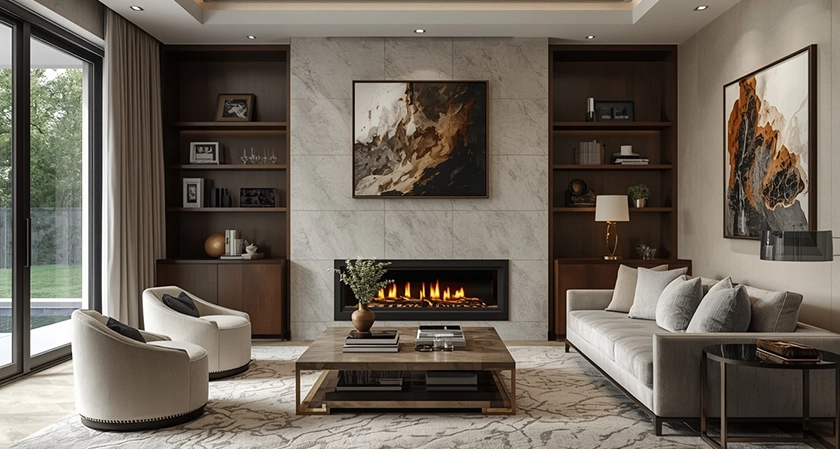
A well-designed home is shaped by more than its layout, furniture, or color scheme. Its character develops through architectural decisions, carefully selected materials, and decorative elements that give each room a distinct identity. Even small additions can influence an interior's atmosphere, particularly when they complement the property's original features.
Architects and interior designers consider these details throughout the planning process. Their goal is to create spaces that feel refined without sacrificing comfort or everyday practicality. Achieving this balance requires an understanding of proportion, texture, lighting, and how individual elements work together.
Why Architectural Details Matter in Modern Interiors
Contemporary homes often feature open layouts, clean lines, and restrained color palettes. However, an interior can feel impersonal when every surface looks the same. Architectural details introduce contrast and visual interest while preserving the simplicity that defines modern design.
Proportion is particularly important. A decorative feature should relate to the room's dimensions and the furniture surrounding it. Oversized elements can overwhelm a smaller apartment, while subtle finishes may go unnoticed in a spacious living area. Choosing the right scale helps maintain visual balance.
Practical considerations also influence design decisions. Storage, comfortable movement, natural light, and accessibility should all be addressed before making final decorative choices. The American Institute of Architects emphasizes designing environments that support occupant comfort and well-being. These principles provide a useful foundation for residential projects.
The Finishing Touches That Create a Refined Living Space
Once the main layout and architectural features are established, attention can shift towards the elements that give a property its individual character. A carefully selected combination of distinctive additions often creates a stronger result than filling every available surface with decoration.
Materials and Textures That Add Character
Natural materials remain popular in contemporary residential design because they introduce warmth and variation. Stone, timber, glass, polished metal, and textured plaster each contribute a different visual quality. Marble can create a sophisticated focal point, while natural wood softens sharper architectural lines.
A consistent material palette allows different surfaces to complement one another without competing for attention. Warm timber flooring, for instance, can balance cool stone walls, while brushed brass introduces a subtle contrast.
Texture offers another opportunity to add depth. Linen upholstery, woven rugs, matte finishes, and decorative wall treatments can make neutral interiors feel more inviting. Material quality should also be considered in relation to durability and maintenance. Surfaces exposed to regular use need to withstand everyday wear while retaining their appearance. Balancing practical requirements with visual appeal helps ensure that attractive finishes remain suitable over time.
Decorative Features That Balance Style and Function
Decorative elements work best when they complement the surrounding architecture. Built-in shelving, mirrors, wall panels, and sculptural artwork can introduce personality without making a room feel crowded. Their placement should take into account the proportions of nearby walls and furniture.
In living rooms, the area surrounding a fireplace often provides an important opportunity to introduce additional architectural detail. The fireplace can influence seating arrangements, wall finishes, and the placement of decorative objects. Stone surrounds, marble mantels, and carefully chosen metal accents each create a different atmosphere.
The surrounding accessories deserve equal attention. A traditional mantel may benefit from warmer finishes and organic shapes, while a contemporary setting can accommodate cleaner lines and more restrained decoration. A well-proportioned screen adds another layer to the arrangement, bringing together craftsmanship, visual interest, and everyday practicality. In interiors where decorative metalwork plays an important role, fireplace screens can complement surrounding materials through their shapes, finishes, and distinctive detailing.
The relationship between these additions and the rest of the room matters just as much as their individual appearance. Their dimensions and finishes should follow the existing architectural style, so the entire arrangement feels cohesive rather than assembled from unrelated pieces.
Lighting as Part of the Overall Design
Lighting influences how a room looks and feels throughout the day. It can emphasize architectural features, highlight differences in surface texture, and make particular areas more comfortable for everyday activities.
Consider natural daylight during the initial planning stages. Window placement, glazing, and ceiling height all affect how sunlight enters a property. The U.S. Department of Energy explains that strategically positioned windows and skylights can improve daylight distribution and reduce the need for artificial lighting.
Artificial fixtures provide greater control after sunset. Pendant lights can define dining areas, wall-mounted fixtures can highlight artwork, and recessed lighting can provide discreet general illumination. Table and floor lamps introduce softer pools of light in spaces intended for relaxation. Combining different sources makes an interior more adaptable to changing needs and activities.
How Architects Bring Different Design Elements Together
Individual finishes may look attractive on their own, but their relationship determines whether the completed interior feels cohesive. Architects consider color, scale, texture, and existing structural features before finalizing a decorative scheme.
Neutral walls can provide a backdrop for darker metal accents, while repeated timber finishes help connect adjoining rooms. Contrast is welcome, provided it serves a clear purpose within the overall composition.
Furniture placement also affects the result. Built-in cabinetry can follow the lines of a room, reduce unnecessary clutter, and provide storage without taking up additional floor space. Artwork and decorative objects can then introduce personality where larger surfaces might otherwise appear empty.
Open-plan apartments require particular attention because several functional areas share one continuous layout. Changes in flooring, lighting, and furniture arrangement can distinguish the kitchen, dining area, and living room without introducing unnecessary partitions.
Creating a Lasting Impression Through Thoughtful Design
An elegant home rarely depends on one dramatic architectural feature. Its appearance develops through a series of decisions involving materials, lighting, proportions, and decorative additions that complement one another.
Giving these aspects proper attention helps create residential interiors that remain attractive beyond short-lived design trends. Each element should contribute something meaningful, whether it improves comfort, introduces texture, or strengthens the property's architectural character.
Ultimately, successful finishing touches connect the different parts of a home into a balanced whole. The combination of visual appeal, practical function, and considered craftsmanship is what gives contemporary interiors their lasting elegance.













Comments