>>
Industry>>
Lifestyle and fashion>>
The Rise of Matching Engagemen...The Rise of Matching Engagement Ring Sets in Contemporary Wedding Traditions
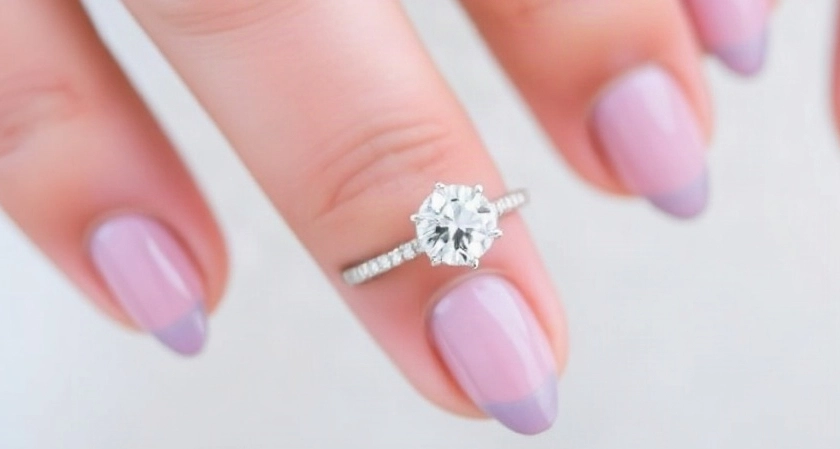
Wedding traditions are undergoing a significant transformation as modern couples seek more personalized ways to celebrate their relationships. While the classic engagement ring has long symbolized commitment, an increasing interest in matching engagement ring sets reflects changing expectations surrounding marriage, individuality, and shared identity. Couples are reconsidering the conventional approach in which one partner receives an elaborate engagement ring while the other waits until the wedding ceremony to wear a symbol of commitment. Instead, coordinated rings are emerging as an appealing expression of mutual dedication, allowing both individuals to participate in the engagement tradition. This shift reflects broader cultural changes in how relationships are celebrated, particularly among couples who value equality, personal expression, and meaningful experiences. As jewelry designers respond with increasingly versatile collections, matching engagement rings are gaining relevance in contemporary wedding traditions.
The Changing Meaning of Engagement Rings in Modern Relationships
For generations, engagement rings have occupied a distinctive place in wedding traditions, representing promises of marriage and enduring affection. Historically, the engagement ring was most commonly presented to a woman, while the exchange of wedding bands occurred during the marriage ceremony. This distinction reinforced established customs surrounding proposals, courtship, and the roles individuals were expected to assume within marriage. Contemporary couples, however, are increasingly interpreting these traditions according to their own beliefs and relationship experiences. Rather than viewing an engagement ring exclusively as a gift from one partner to another, many now regard it as a shared expression of commitment. Matching engagement ring sets accommodate this interpretation by providing both individuals with meaningful symbols of their intention to marry.
The growing interest in coordinated rings reflects changing attitudes toward jewelry and personal identity. Modern consumers increasingly seek accessories that express individual preferences while maintaining emotional or cultural significance. As a result, jewelry brands have expanded beyond traditional engagement designs to accommodate different tastes, lifestyles, and relationship dynamics. Reflecting this shift, Foreverings, an e-commerce jewelry brand specializing in rings that represent meaningful relationships, offers designs that extend beyond conventional styles. Its selection of engagement rings with contemporary designs provides options for different personal preferences, while its collection of matching rings for couples reflects the increasing interest in shared symbolism. Such offerings illustrate how contemporary jewelry collections can accommodate evolving expectations while preserving the emotional significance traditionally associated with engagement rings.
Another important development involves the increasingly collaborative nature of engagement ring purchases. Traditional proposals often emphasized an element of surprise, leaving one partner responsible for selecting a ring based on personal judgment or limited guidance. Although surprise proposals remain popular, many couples now participate jointly in choosing their engagement jewelry. This collaborative approach creates opportunities to discuss design preferences, financial priorities, and the symbolism associated with different ring styles. Matching sets fit naturally into this process because both individuals contribute to selecting pieces they expect to wear for years. As engagement traditions become more collaborative, the rings themselves increasingly reflect decisions made together rather than expectations inherited from previous generations.
Why Matching Engagement Ring Sets Are Gaining Popularity
One of the primary reasons couples are drawn to matching engagement ring sets is the desire for a more balanced expression of commitment. Conventional engagement customs often place greater emphasis on one partner's jewelry, particularly when the engagement ring features a prominent gemstone. Coordinated rings offer an alternative in which both individuals receive a visible symbol of their relationship before the wedding ceremony. This arrangement can be especially meaningful for couples who view marriage as an equal partnership and want their engagement experience to reflect that principle. Matching rings do not necessarily require identical designs, since complementary elements can communicate unity while preserving individual preferences. Their appeal lies in the shared intention behind the jewelry rather than strict visual uniformity.
Personalization is another important factor shaping the popularity of these sets. Contemporary couples frequently prioritize wedding details that reflect their relationship history instead of relying entirely on standardized traditions. Engagement rings can incorporate meaningful elements such as shared gemstones, complementary patterns, personal engravings, or design features associated with important experiences. Some couples choose rings featuring the same metal and finish, while others prefer contrasting materials linked by a common motif. These possibilities make matching sets adaptable to relationships in which partners have different aesthetic preferences but similar emotional priorities. The resulting jewelry can express a coordinated commitment without sacrificing the individuality of either wearer.
The influence of digital shopping and social media has also helped introduce coordinated engagement jewelry to a wider audience. Online jewelry retailers make it easier to compare unconventional ring styles alongside traditional diamond settings. Visual platforms expose consumers to alternative proposals, customized jewelry, and couples who choose to exchange engagement rings simultaneously. This increased visibility can normalize practices that might once have seemed unusual or limited to specific communities. Digital customization tools and detailed product imagery also allow shoppers to evaluate complementary designs before visiting a store or completing an online purchase. Although social media does not determine every purchasing decision, it has expanded the range of wedding traditions consumers encounter and consider.
How Contemporary Ring Design Balances Unity and Individuality
The design of matching engagement ring sets involves a challenge that traditional single-ring purchases do not always present. Two pieces must communicate a recognizable relationship while remaining suitable for individuals who may have different tastes, hand proportions, and daily routines. Jewelry designers address this challenge through shared design languages rather than insisting that both rings look identical. A set might feature matching metal tones, similar band profiles, or recurring geometric details while allowing one ring to include a gemstone and the other to maintain a simpler appearance. This approach creates continuity without making either partner's preferences secondary. The result is often a more practical interpretation of matching jewelry, built around compatibility rather than exact duplication.
Metal selection plays a significant role in establishing visual consistency between complementary rings. Yellow gold continues to appeal to couples who appreciate traditional warmth, while white gold and platinum offer cooler finishes associated with understated contemporary design. Rose gold introduces a softer color that can complement modern, vintage-inspired, or romantic settings. Couples may select the same metal for both rings or deliberately combine different tones to create a coordinated contrast. Designers can also incorporate shared textures, such as brushed surfaces, polished edges, or engraved patterns, to establish a recognizable connection between otherwise distinct styles. These choices demonstrate that matching engagement rings can range from restrained minimalism to elaborate decorative designs.
Gemstones provide another opportunity to express a shared aesthetic while preserving flexibility. Some matching sets include two rings with identical stones, creating a direct visual connection between the pieces. Others incorporate a prominent gemstone in one ring and a smaller corresponding accent in the second. Couples may also choose stones associated with personal milestones, birth months, or colors that hold significance within their relationship. Alternative gemstones and unconventional settings can appeal to those seeking a departure from familiar solitaire designs, although their durability and maintenance requirements deserve careful evaluation. By considering both symbolism and practical wear, couples can create coordinated rings that remain personally meaningful without compromising everyday usability.
The Influence of Equality and Shared Commitment on Wedding Jewelry
Changing expectations surrounding equality within relationships have contributed to the broader reconsideration of engagement jewelry. Many couples approach marriage as a partnership in which emotional investment, decision-making, and responsibility are shared. Within this framework, the tradition of one individual receiving an engagement ring while the other remains without comparable jewelry may feel inconsistent with their relationship philosophy. Matching engagement ring sets provide a visible alternative by allowing both partners to acknowledge their commitment through a coordinated exchange. This does not mean that traditional engagement rings have become incompatible with equal relationships. Rather, the availability of matching sets gives couples an additional way to align symbolic customs with their personal understanding of partnership.
The practice of exchanging engagement rings can also influence the emotional experience of a proposal. Instead of focusing exclusively on one person presenting jewelry to another, some couples create a moment in which both participants exchange meaningful pieces. This approach can be incorporated into an elaborate proposal, an intimate private occasion, or a joint decision to become engaged. The significance comes from the reciprocal gesture and the recognition that both individuals are making a commitment. For couples who value shared experiences, exchanging rings can reinforce the collaborative nature of their relationship. The tradition remains flexible enough to accommodate different cultural expectations, family customs, and personal preferences.
The appeal of reciprocal engagement jewelry also extends to couples whose relationships do not fit conventional assumptions about gender or wedding roles. Matching sets allow jewelry choices to be organized around personal style and emotional significance rather than predetermined categories. One partner may prefer an elaborate gemstone setting, while the other chooses a narrow minimalist band. Alternatively, both may favor equally decorative designs or understated rings with identical finishes. These options are relevant across different relationship structures because they emphasize participation rather than prescribed roles. As wedding practices become more inclusive, coordinated engagement jewelry offers a design framework that can accommodate a broad range of identities and expressions of commitment.
Financial Considerations Behind the Choice of Matching Rings
Purchasing two engagement rings introduces financial considerations that differ from buying a single traditional engagement ring. Couples must determine how much of their overall wedding budget they want to allocate to jewelry, particularly when other expenses include ceremonies, travel, housing, and long-term financial goals. Matching sets may involve two modestly priced bands, two elaborate gemstone rings, or a combination of different styles. The total cost depends on factors such as precious metal content, gemstone selection, craftsmanship, customization, and brand positioning. As a result, coordinated rings should not automatically be considered more economical than conventional engagement jewelry. Their financial appeal often comes from the ability to distribute spending according to shared priorities rather than following an assumed spending formula.
The growing availability of alternative materials and gemstone options gives couples greater flexibility when establishing a budget. Lab-grown diamonds, for example, provide another option for those seeking diamond jewelry, although prices and resale considerations differ from those associated with natural diamonds. Moissanite and colored gemstones may also appeal to consumers who value distinct appearances or want to allocate more of their budget elsewhere. Precious metals present their own financial trade-offs, particularly when comparing gold alloys, platinum, and other materials with different maintenance characteristics. Rather than selecting matching rings solely on initial price, couples benefit from evaluating durability, resizing possibilities, and future servicing expenses. This broader assessment helps ensure that the purchase remains sensible beyond the engagement celebration.
Transparency in jewelry purchasing has become particularly important as consumers compare products across online retailers and traditional stores. Couples evaluating matching sets should examine whether quoted prices include both rings, whether gemstones are included in the displayed designs, and whether customization affects the final cost. They should also consider return policies, warranties, independent grading reports where applicable, and the availability of professional resizing services. Financing options can make expensive purchases appear more accessible, but interest charges and repayment obligations may increase the ultimate cost. A coordinated set should be assessed as a long-term personal purchase rather than a short-lived wedding accessory. Careful financial planning allows couples to prioritize sentimental value without creating unnecessary pressure during an already expensive period of life.
The Role of Customization in Creating Meaningful Ring Sets
Customization has become an important feature of contemporary engagement jewelry because couples increasingly want rings connected to their personal experiences. Standardized designs can offer elegance and convenience, but personalized elements provide opportunities to communicate details that may not be immediately apparent to others. Matching sets are particularly suitable for customization because designers can incorporate connections between two separate pieces. These connections might include complementary engravings, shared symbols, or patterns that align when the rings are placed beside each other. Such details allow the jewelry to function as both individual accessories and components of a shared narrative. For many couples, this balance between private meaning and public symbolism represents a central attraction of coordinated engagement rings.
Engraving remains one of the most accessible ways to personalize matching rings without dramatically changing their outward appearance. Couples may choose a significant date, a short phrase, initials, geographic coordinates, or words that carry meaning within their relationship. Some prefer matching inscriptions, while others select complementary messages that become complete when read together. Interior engravings can be especially appealing because they preserve a ring's exterior design while introducing an intimate personal detail. More elaborate customization may involve distinctive stone arrangements, unusual band shapes, or design features inspired by architecture, nature, or family heritage. Each option offers a different level of personalization, although more complex modifications may affect production timelines and future repair possibilities.
Successful customization requires attention to the practical limitations of jewelry construction. Very narrow bands may not accommodate extensive engraving, while certain gemstone settings can complicate resizing or everyday maintenance. Intricate surface textures may also show wear differently from smooth polished finishes, making material choice and craftsmanship important considerations. Couples should discuss these factors with the jeweler before approving a customized design, particularly if the rings are intended for continuous wear. It is also useful to request clear drawings, measurements, or digital renderings when commissioning unusually shaped pieces. By balancing creative ambition with technical considerations, couples can develop matching sets that remain comfortable, durable, and emotionally significant over time.
How Matching Engagement Rings Fit Into Wedding Ceremonies and Traditions
The growing interest in matching engagement rings raises practical questions about how these pieces should be incorporated into the wedding ceremony. Traditional engagement and wedding jewelry often serve different purposes, with the engagement ring marking the promise to marry and the wedding band representing the formal union. Couples who already wear matching engagement rings may choose to retain this distinction by purchasing additional bands for the ceremony. Others may exchange the same rings again, treating them as symbols that continue through both stages of the relationship. A further option involves selecting engagement rings designed to sit alongside future wedding bands. These possibilities demonstrate that coordinated engagement jewelry can be integrated into existing customs without requiring a single standardized approach.
Cultural and religious traditions can influence how couples incorporate matching rings into their ceremonies. In some communities, exchanging rings is a central part of the wedding ritual, while in others it plays a secondary role or operates alongside different symbolic practices. Couples planning ceremonies with established religious requirements may need to consider expectations surrounding ring materials, placement, or the wording of the exchange. Family traditions can also shape decisions, particularly when relatives associate specific types of jewelry with engagement or marriage. Matching sets provide flexibility, but that flexibility is most useful when couples understand the customs they intend to preserve or adapt. Thoughtful planning can help integrate personalized jewelry into ceremonies that remain meaningful to the couple and their families.
Ring stacking and complementary wedding bands create additional design considerations for those purchasing coordinated engagement sets. A ring with a raised gemstone setting may accommodate a straight wedding band, while a lower or unusually shaped setting could require a curved or contoured companion band. Differences in metal hardness, ring profiles, and surface finishes can affect how comfortably multiple rings sit together. Couples should therefore consider potential wedding bands when choosing engagement jewelry, even if the wedding ceremony is still some time away. Some may prefer a coordinated four-ring arrangement comprising two engagement rings and two wedding bands. Others may favor a simpler approach in which each person wears a single meaningful ring throughout engagement and marriage, reflecting personal preference rather than adherence to a fixed tradition.
Practical Considerations for Selecting Rings That Last
The everyday demands placed on engagement rings should be a central consideration when choosing matching sets. Unlike jewelry reserved for occasional celebrations, engagement rings are often worn during work, travel, social activities, and routine household tasks. The same design may perform differently depending on the wearer's occupation, lifestyle, and personal habits. Individuals who frequently work with their hands may prefer low-profile settings and smooth bands that are less likely to catch on clothing or equipment. Others may prioritize decorative details and prominent stones because their routines allow for more careful wear. Matching sets can accommodate these differences by using shared visual elements while adapting individual designs to each person's needs.
Accurate sizing is another essential factor, particularly when couples purchase rings online or commission personalized designs. Ring fit can vary according to band width, finger shape, temperature, and changes in the wearer's body over time. Wider bands often feel tighter than narrow rings of the same nominal size, making professional measurement especially helpful when selecting coordinated designs. Couples should also understand that certain materials and intricate settings can be difficult or impossible to resize. Purchasing from a retailer with clear sizing guidance and adjustment policies can reduce the likelihood of costly changes after delivery. Comfort should be treated as a long-term requirement because even visually appealing jewelry can become inconvenient if the fit is unsuitable.
Maintenance requirements deserve similar attention because matching rings may age differently depending on their materials and construction. Polished surfaces can develop scratches, gemstone settings may require periodic inspection, and plated finishes can need renewal over time. Rings featuring intricate engravings or multiple small stones may require more careful cleaning than simple bands. Couples should ask how their selected materials respond to everyday wear and which activities warrant temporary removal of the jewelry. Proper storage, routine cleaning, and professional servicing can help preserve the rings' appearance and structural integrity. A practical maintenance plan protects the investment while allowing both partners to enjoy their coordinated jewelry for many years.
The Future of Matching Engagement Ring Sets in the Jewelry Market
The expanding range of coordinated engagement jewelry suggests that retailers are responding to a broader shift in how consumers approach wedding purchases. Traditional jewelry categories have often separated engagement rings, men's wedding bands, and women's wedding bands into distinct shopping experiences. Matching sets challenge this structure by encouraging consumers to think about their jewelry choices as part of a coordinated relationship purchase. Retailers that accommodate this approach can present complementary designs across different categories without requiring both partners to select identical rings. This creates opportunities for collections that emphasize shared visual themes, adaptable configurations, and personalized combinations. As consumer preferences become more varied, versatility may become an increasingly important characteristic of engagement jewelry merchandising.
Technological developments could further shape how matching ring sets are designed and purchased. Digital visualization tools already allow consumers to examine jewelry from multiple angles, compare materials, and explore different combinations before making a purchase. More sophisticated customization systems could make it easier for couples to coordinate gemstone settings, band dimensions, and surface details without commissioning fully bespoke pieces. Virtual consultations and digital design previews may also improve communication between customers and jewelers when partners have conflicting aesthetic preferences. Nevertheless, technology cannot replace the importance of accurate specifications, reliable craftsmanship, and clear purchasing policies. Its greatest value lies in making complicated design decisions more accessible while preserving the personal nature of engagement jewelry selection.
The long-term relevance of matching engagement rings will ultimately depend on whether couples continue to find value in shared symbolism. Wedding fashions change, and not every contemporary trend becomes a permanent tradition. Yet coordinated engagement jewelry addresses fundamental concerns that extend beyond a particular design movement, including mutual commitment, individual identity, and participation in important relationship milestones. The category also remains flexible enough to accommodate changing tastes, from minimalist metal bands to more elaborate gemstone arrangements. Rather than replacing traditional engagement rings, matching sets are likely to remain one of several meaningful options available to couples planning marriage. Their significance lies in broadening the definition of engagement jewelry and giving couples more freedom to express what commitment means to them.
To Conclude: A New Expression of a Lasting Commitment
The increasing interest in matching engagement ring sets reflects a larger transformation in contemporary wedding traditions. Couples are approaching engagement jewelry with greater attention to shared values, personal identity, and collaborative decision-making. Coordinated rings provide an opportunity to recognize commitment as a mutual experience while preserving the emotional significance historically associated with engagement jewelry. Their design flexibility allows partners to choose complementary styles without abandoning individual tastes. At the same time, expanding customization options make it possible to incorporate private meanings that extend beyond conventional visual symbolism. These characteristics help explain why matching sets have become an appealing alternative within the broader engagement ring market.
The practical aspects of selecting matching rings are just as important as their symbolic appeal. Couples must evaluate material durability, ring sizing, gemstone settings, personalization options, and how the jewelry will integrate into future wedding ceremonies. Financial planning also plays a role, particularly because a coordinated purchase may involve two rings rather than one. By discussing these issues together, partners can make informed decisions that reflect both their expectations and their resources. The resulting jewelry can become a lasting reminder of a shared decision rather than simply an accessory associated with a single proposal. Thoughtful selection helps ensure that emotional significance is supported by comfort, quality, and suitability for everyday life.
Ultimately, the rise of matching engagement ring sets illustrates how established wedding customs can evolve without losing their underlying meaning. The central purpose of an engagement ring remains the recognition of a promise and the anticipation of a shared future. What is changing is the range of people, designs, and experiences included in that symbolic exchange. Matching sets offer a contemporary interpretation that emphasizes reciprocity while remaining adaptable to different cultural traditions and relationship preferences. Whether couples select identical bands, complementary gemstones, or highly individualized designs, the most meaningful connection comes from the commitment those rings represent. In an era when weddings are becoming increasingly personal, coordinated engagement jewelry reflects a simple but enduring idea: two individuals can celebrate their partnership through symbols that acknowledge both their unity and their individuality.













Comments