>>
Other>>
Politics>>
California Ballots: Supreme Co...California Ballots: Supreme Court Rejects President Trump Bid to Block 20,000 Mail-In Votes
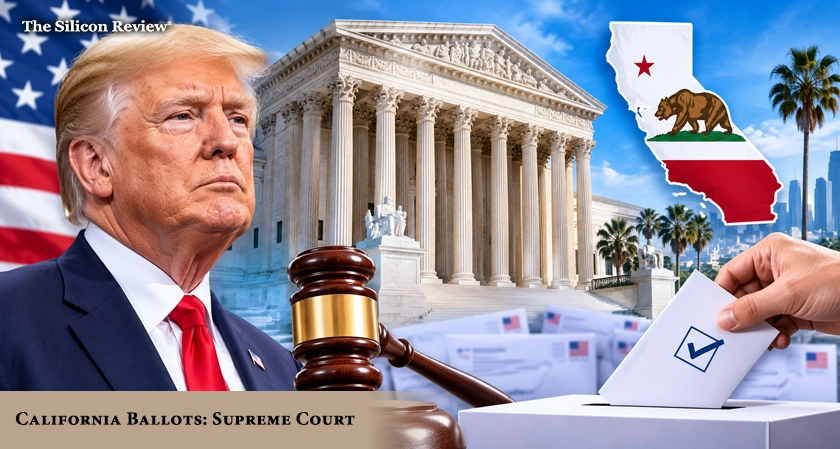
The Supreme Court rejects President Trump's bid to block 20,000 California ballots, preserving the state's counting process hours before the 2026 midterm elections.
News source: Google / https://www.reuters.com/
The US Supreme Court has rejected the President Trump administration's emergency request to prevent California from counting more than 20,000 mail-in ballots from registered voters whom federal officials suspect may be noncitizens. The decision, delivered on November 2, 2026, came just hours before Election Day in the closely watched US midterm elections.
The one-sentence order denied the Justice Department's request without explaining the court's reasoning. No justice publicly dissented, and the court did not ask California to respond before issuing its decision. The ruling allows California election officials to continue counting the disputed ballots under existing state procedures.
The 20,000 Ballot Dispute
The controversy began when the Department of Homeland Security identified approximately 20,000 people on California's voter rolls whom federal officials considered likely noncitizens. The Justice Department subsequently accused California election officials of failing to investigate the names and sought to prevent the associated ballots from entering the final count.
Federal officials argued that ballots should be separated and withheld until the citizenship status of the registered voters could be verified. The administration maintained that federal law prohibits noncitizens from voting in federal elections and that allowing potentially ineligible ballots into the count could compromise election integrity.
California challenged the reliability of the federal government's identification process. State officials argued that the list contained substantial inaccuracies and that withholding ballots based on unverified allegations could disenfranchise eligible American citizens. The state also maintained that it already operates established procedures for identifying and removing ineligible voters.
Lower Courts Had Already Rejected Trump
The Supreme Court's decision followed several legal setbacks for the Trump administration. A federal district judge in Los Angeles previously rejected the Justice Department's request, warning that separating disputed ballots so close to Election Day could disrupt established election procedures. The Ninth Circuit Court of Appeals also declined to block California from counting the ballots. Its decision emphasized the state's authority over election administration and questioned the federal government's attempt to intervene after voting had already begun.
US District Judge David Carter raised a particularly serious constitutional concern, writing: "If the Executive can discount votes and threaten an ongoing election due to unproven allegations, then our democracy is in danger."
The Supreme Court's latest decision effectively leaves those lower-court protections in place, allowing California to proceed with its existing ballot-counting process.
The Federal Versus State Power Struggle
The dispute goes beyond 20,000 ballots. At its centre is a constitutional question about how much authority the federal government can exercise over elections administered by individual states.
The US Constitution gives states and Congress significant responsibility for regulating federal elections, while federal law establishes requirements governing voter eligibility. The Trump administration has increasingly sought greater federal involvement in election administration, including access to state voter registration records and investigations into alleged noncitizen voting. California, meanwhile, argues that federal intervention cannot override established state election procedures without sufficient legal justification.
The controversy also highlights the distinction between identifying potentially ineligible voters and establishing that they actually voted unlawfully. Noncitizen voting in US elections remains rare and California officials have questioned whether the federal government's identification methods can reliably distinguish noncitizens from naturalized American citizens.
The Midterm Elections Stakes
The timing makes the Supreme Court's decision particularly consequential. The 2026 midterm elections will determine control of Congress during the final two years of President Trump's second term. California is especially significant because it holds 52 seats in the House of Representatives, making it the state with the largest congressional delegation. Democrats need a net gain of four House seats to secure a majority in the chamber. With voting already underway and millions of ballots moving through California's election system, separating thousands of disputed votes at the last minute could have created substantial administrative complications.
Here is the question The Silicon Review raises. When a federal administration challenges the eligibility of thousands of registered voters using information that state officials argue contains significant errors, who should carry the burden of proof? Should citizen’s risk having their votes withheld until the government verifies their eligibility, or should established election procedures remain protected unless credible evidence demonstrates wrongdoing? The Supreme Court's decision reinforces a fundamental democratic principle: allegations alone should not automatically determine whether a citizen's vote counts.
FAQ:
Q: Why did the Supreme Court reject President Trump's request concerning California ballots?
A: The Supreme Court denied the emergency request without explaining its reasoning, leaving California's existing ballot-counting procedures in place.
Q: How many California ballots were involved in the dispute?
A: The case involved more than 20,000 registered voters whom federal officials suspected might be noncitizens.
Q: What role did the Supreme Court play in the California ballots dispute?
A: The Supreme Court refused to block California from counting the disputed mail-in ballots.
Q: Why did President Trump challenge California's mail-in voting process?
A: His administration argued that ballots linked to potentially ineligible noncitizens should be separated until citizenship could be verified.
Q: How does the decision affect the 2026 midterm elections?
A: It allows California to continue counting the disputed ballots under its existing election procedures.
Q: Can noncitizens vote in US federal elections?
A: No. Federal law prohibits noncitizens from voting in federal elections, although documented instances of noncitizen voting are rare.













Comments