>>
Technology>>
Mobile>>
Island Launches Gamified Scree...Island Launches Gamified Screen-Time App to Help Users Spend Less Time on Their Phones
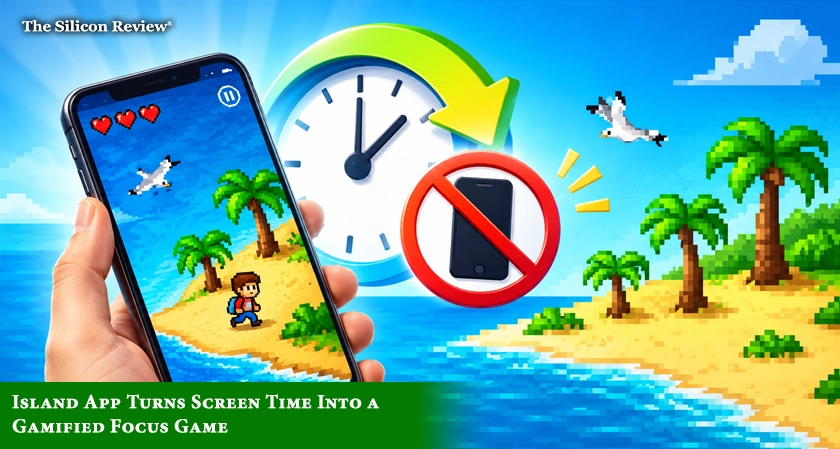
Island transforms screen-time management into a farming game, rewarding users for healthier phone habits through virtual rewards and social challenges.
News source: Google / https://techcrunch.com/
Island, a new screen-time management app backed by Y Combinator, is taking a game-based approach to digital wellbeing by rewarding users for spending less time on their phones. Instead of blocking applications or restricting access, the app turns meeting daily screen-time limits into a farming simulator, where users earn rewards, unlock crops and animals, and develop their virtual islands by maintaining healthier phone habits.
The app was developed by entrepreneurs Ashish Selvaraj and Ethan Pronev, who aim to make digital discipline more engaging through gamified focus and positive reinforcement.
Turning Screen-Time Management Into a Game
Unlike traditional screen-time apps that restrict access after users exceed their daily limits, Island uses a reward-based system to encourage behavioural changes. Users receive a virtual credit score when they successfully stay within their screen-time goals. This score improves farm productivity and helps unlock new crops, animals, and other in-game content. The more consistently users follow their limits, the faster their virtual island develops.
The approach is designed to make reducing phone usage feel less like a restriction and more like progressing through a game. Rather than forcing users to stop using their devices, Island relies on their motivation to maintain a growing virtual environment. The founders developed the concept after joining startup accelerator Y Combinator, where they experimented with several business ideas before settling on Island as their fifth startup direction.
Early User Data Shows Positive Engagement
Island's early usage figures suggest that its gamified approach is encouraging users to follow their screen-time goals. According to data shared by the startup following its early testing and October launch, 82% of users end their screen-time sessions exactly when they reach their self-imposed limits. Other users reportedly stop using their phones after receiving the app's 15-minute remaining warning.
The company also reports a 51% daily active user-to-monthly active user ratio and a 49% Day 30 retention rate, indicating that nearly half of users remain active 30 days after installing the app. These figures are based on the company's internal data and have not been independently verified.
Social Features Add Accountability
Beyond individual screen-time management, Island introduces social features designed to make digital wellbeing a shared activity. Users can add friends, visit each other's virtual islands, participate in group challenges, and encourage one another to maintain healthier phone habits. One feature allows two friends to connect their islands. If either person exceeds their screen-time limit, both virtual environments experience negative consequences.
This shared accountability system adds a social dimension to gamified focus, encouraging users to stay consistent not only for their own progress but also for their friends. The concept follows a growing trend in digital wellbeing applications that use virtual rewards, characters, and interactive experiences to encourage healthier habits. Apps such as Focus Friend and Finch have also explored similar approaches to making productivity and self-care more engaging.
Pricing and Subscription Model
Island is currently available as a free-to-use app, with an optional annual subscription priced at $39.99. The paid subscription allows users to establish individual screen-time limits for different applications rather than relying exclusively on an overall daily usage limit. The founders, Ashish Selvaraj and Ethan Pronev, previously worked at companies including Jane Street, Citadel, Databricks, and Microsoft before pursuing their startup through Y Combinator. The company has not raised additional seed funding outside Y Combinator and plans to expand its marketing efforts through social media.
The Growing Market for Digital Wellbeing
Island's launch highlights a shift in how technology companies are approaching screen-time management. Traditional digital wellbeing tools primarily focus on tracking usage, setting restrictions, and blocking distracting applications. Gamified focus applications are exploring a different strategy by making healthier digital habits rewarding and interactive. By connecting screen-time goals with virtual farming, social challenges, and in-game progression, Island aims to encourage users to develop self-discipline without relying on restrictive controls. However, whether this reward-based approach can produce lasting changes in phone usage will depend on how consistently users engage with the app beyond its initial novelty. As digital wellbeing becomes an increasingly important part of mobile technology, Island is positioning gamification as an alternative way to help people regain control of their screen time.
FAQ
Q: What is the Island app?
A: Island is a screen-time management app that turns reducing phone usage into a farming simulator game.
Q: How does Island encourage users to reduce screen time?
A: It rewards users with a virtual credit score for meeting their screen-time goals, helping them unlock crops, animals, and improve their virtual farms.
Q: Does Island block access to mobile applications?
A: No. Its approach relies on self-discipline and game-based rewards rather than automatically locking users out of applications.
Q: Who founded the Island app?
A: Ashish Selvaraj and Ethan Pronev, who previously worked at companies including Jane Street, Citadel, Databricks, and Microsoft.
Q: What social features does Island offer?
A: Users can visit friends' islands, participate in group challenges, and link their islands to encourage mutual accountability.
Q: How much does Island cost?
A: The app is free, with an optional $39.99 annual subscription that enables individual screen-time limits for different applications.
Q: What are Island's early user engagement figures?
A: The startup reports that 82% of users stop at their set screen-time limits, with a 51% daily-to-monthly active user ratio and 49% Day 30 retention.
Q: Which digital wellbeing trend does Island represent?
A: It represents the growing use of gamification and positive reinforcement to encourage healthier screen-time habits and improve digital wellbeing.












Comments