>>
Industry>>
Legal>>
What to Do After a Car Acciden...What to Do After a Car Accident in Colorado: A Practical Guide for Busy Professionals
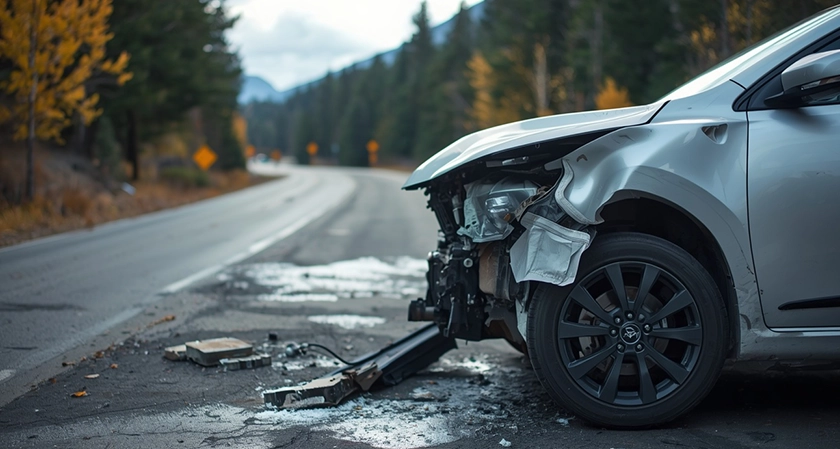
You are driving to a meeting in Denver. Traffic slows, and a car hits you from behind. In a few seconds, your day, your schedule, and maybe your health are all in question.
Motor vehicle accidents do happen, and Colorado is no exception. The Colorado Department of Transportation reported 701 traffic deaths in 2025, about 2% more than in 2024. Those figures are preliminary and include only deaths. There are many more people who walk away from a collision with an injury, repair costs and lost income.
It's as important for business travelers and remote workers as it is for those who have lived in the city for many years. The claims process may be completely different than what you are familiar with back home or if you are new to Colorado. There are a few simple things you can do to stay safe.
Start With Safety at the Scene
Your first task is to make sure you are safe. Look at yourself and your passengers. Call 911 if someone is injured. If the vehicles can move, drive to the side of the road.
Then gather what you can while the details are still clear:
- Pictures of both cars, the road and any signs or signals
- The driver's name, phone number, plate and insurance information
- Names and numbers of any people who saw what happened
- The police report number, if officers come
Keep your words simple. Say what happened, but don’t guess about fault. Even a polite “I’m sorry” can be used against you later.
Get Checked by a Doctor, Even If You Feel Fine
After a crash, your body releases adrenaline, which can make you not feel pain. Injuries to your neck, back, and head might not show up right away. They can take a day or two to show up. Going to care or seeing your own doctor is the best way to protect your health. It also helps create a record that connects your injuries to the crash.
Follow the treatment plan, and keep your bills and notes. Gaps in care give an insurance company room to argue that you weren’t really hurt.
Be Careful With the Insurance Call
Soon after the crash, an adjuster from the other driver’s insurer may call. They usually sound friendly. Still, their job is to settle claims for as little as they can.
You don’t have to give a recorded statement right away. You also don’t have to accept the first offer. Early offers often come before you know the full cost of your care. Once you sign a release, it is hard to ask for more.
Two Colorado Rules That Can Change Your Claim
- The filing deadline: In Colorado, you have three years to file a lawsuit for injuries that happened in a motor vehicle crash according to R.S. § 13‑80‑101. Many other injury claims have a two-year deadline, as set out in § 13‑80‑102. In 2023, the Colorado Court of Appeals decided that a car accident deadline does not shift to the business day if it falls on a weekend or holiday. You can read the court’s opinion for yourself. It illustrates just how strict the filing deadline can be.
- Shared fault: Colorado follows a modified fault system with a 50% cutoff. The rule is in R.S. § 13-21-111. If you share some of the fault, your payout is reduced by your share. If your share is equal to or greater than the other party’s, you can’t recover damages at all.
That is why statements and good evidence matter. Insurers often try to raise the percentage of fault placed on you by a little.
When It Makes Sense to Talk to an Injury Lawyer
Not every fender bender needs a lawyer. If the damage is small and nobody is hurt, your insurer may be enough. The picture changes when there are injuries, lost income, a dispute over who caused the crash, or an insurer that stops returning calls.
In those cases, many people speak with a Colorado personal injury firm, such as Levine Law, before signing anything or accepting an offer. A lawyer can gather records, handle the insurance company, estimate what the full claim may be worth, and keep track of deadlines. Many injury firms offer a free first consultation, so a short call costs little.
Mistakes to Avoid
- Posting about the crash or your injuries on social media
- Skipping appointments or stopping treatment too soon
- Taking a quick settlement before you know your total costs
- Waiting months to ask questions
The Bottom Line
A crash can throw your life out of order. A calm and careful response helps you have a chance of keeping your health and your claim safe. Get to safety. Get examined. Be cautious with insurance companies. Remember the deadlines. If your injuries are serious or the other person isn't cooperating, get help early.













Comments