>>
Industry>>
Healthcare>>
Why Braces Are Turning Into a ...Why Braces Are Turning Into a Tech Business
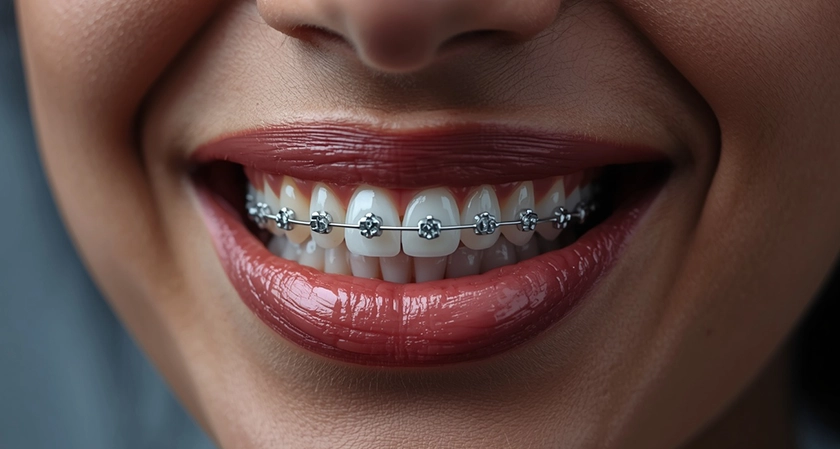
Most people still picture braces the way they looked in a middle school yearbook: a mouth full of metal, an adjustment appointment every four weeks, and a parent sitting in the waiting room reading a magazine from 2011. That picture is out of date. The back office of a modern orthodontic practice runs on scan data, remote monitoring alerts, and software that decides who needs a chair and who needs a message to their phone. The bracket on your kid's tooth hasn't changed much. Everything around it has.
I spent a few weeks talking to practice managers, watching demo screens, and reading the schedules of places that have rebuilt their workflow around technology. The pattern was consistent: the clinics that feel calm and fast to patients are the ones that invested in the boring stuff first. Imaging. Scheduling logic. A system that flags a problem before anyone sits down in a waiting room. If you have ever walked into a small practice and wondered why it felt like a clinic built for soldiers and not toddlers, the answer is usually software, not wallpaper. That is exactly the sort of thing a chantilly orthodontist who makes braces simple thinks about before the first bracket ever gets placed, because a smooth first visit tends to predict every visit after it.
Here is what that investment actually looks like, section by section, and what you should look for if you are on the patient side of the desk.
Scanners replaced trays, and the ripple effect was bigger than anyone expected
The physical impression tray, that gooey plate that used to make patients gag, is mostly gone. Digital scanners took its place, and the shift did more than spare a few stomachs. A scan produces a file. A file can be sent to a lab, compared against last month's version, and fed into modeling software in minutes.
That matters for the patient because it compresses the gap between "let's check the fit" and "here is the next aligner." It matters for the business because fewer retakes mean fewer wasted appointments, and a wasted appointment in a two-chair clinic is real money. According to the National Institutes of Health, digital workflows have become a standard part of modern dental and orthodontic care, which is the polite way of saying the holdouts are now the exception rather than the norm.
I would argue the scanner is the single upgrade I'd make first if I were opening a practice tomorrow. It is the one piece of equipment that touches every visit, every patient, and every lab order. Skip it and you are running a modern clinic with a 1990s intake process.
Remote monitoring is quietly rewriting the appointment calendar
Most practices used to see a patient every four to six weeks no matter what. Remote monitoring tools changed that. Patients take photos with their phone on a schedule, the software sends the images back, and the orthodontist decides whether an in-person visit is actually necessary this month.
The result is a schedule that reflects real clinical need instead of habit. Patients with straightforward cases spend less time driving to a strip mall and more time doing whatever else they do on a Tuesday. More complex cases get flagged earlier, sometimes before the patient notices anything.
The tradeoff is that these systems only work when patients actually use them. A practice can buy the software and still get nothing out of it if the front desk doesn't follow up when someone misses a photo. Technology catches problems in the data. People catch problems in the habit, and the practice that wins is the one that treats the reminder text as seriously as the clinical scan.
What a well-run orthodontic practice actually does with all this data
The interesting part is not the hardware. It's what happens after the data lands. A scan, a photo set, and a treatment plan are three different records, and the practice that treats them as one story can spot a stalled case in a week instead of a month.
I watched one practice manager walk through a week where a flagged case got a same-day call because the weekly scan compared unfavorably to the prior one. No emergency visit to the clinic. A phone call, a small adjustment to the plan, and a note in the file. That kind of response only happens when someone is paying attention to a dashboard, and that is not a small thing. The American Dental Association has been pushing practices for years to treat record keeping and patient data as core clinical infrastructure rather than paperwork, and orthodontics is where that lesson is easiest to see.
A practical checklist for patients evaluating a practice
If you're the one choosing where to get care, you don't need to understand the software stack. You do need to ask a few questions that expose it. This is my short list, built from the ones that actually separated strong practices from mediocre ones in my conversations.
- Ask whether they use a digital scanner or a physical impression tray. The answer tells you a lot about the rest of the operation.
- Ask how many in-person visits a typical case requires, and ask what triggers an extra one.
- Ask if they offer remote photo monitoring and whether the clinic follows up if you miss a check-in.
- Ask who reads your message when you send one through the patient portal, and how fast they usually respond.
- Ask to see the treatment plan in writing before you commit to anything.
I'd push hardest on the last one. A clear plan you can read beats a confident verbal explanation every time.
Why this shift matters beyond orthodontics
Healthcare technology gets discussed in broad, breathless terms, but the orthodontic case is one of the clearest examples of the shift actually working. The U.S. Department of Health and Human Services has talked openly about how patient engagement tools, remote monitoring, and digitized records improve follow-through on care plans, and orthodontics is a case where those ideas translate into something a patient can feel: fewer visits, clearer planning, and better visibility into whether the plan is on track.
That is not a small change for the teenager who would rather be at soccer practice, or the parent coordinating a family calendar. Technology is supposed to give people their time back. In orthodontics, it finally started doing that.
The practices that get this right don't advertise any of it. They just feel easier to deal with, which is the tell. Nobody asks about the scanner. They ask why this place felt different.
So if you're starting a search for an office, ask one question before you book: how does this practice know when something needs attention before I do? If the answer is clear and specific, you're probably talking to a clinic that's already done the work. If the answer is a shrug, that is your answer.













Comments