>>
Industry>>
Automotive>>
Why routine vehicle checkups k...Why routine vehicle checkups keep family cars running longer
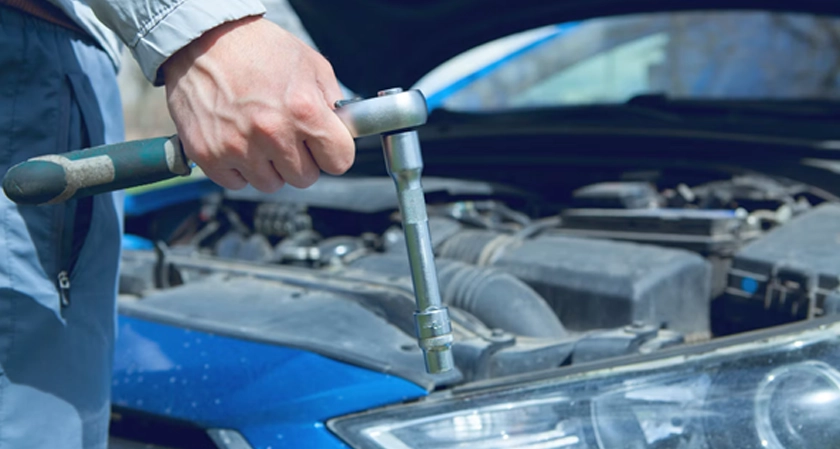
Rising new car prices are encouraging drivers to prioritize preventive maintenance, extending the life and dependability of their daily commuting vehicles.
As high vehicle purchase costs make replacement less appealing, motorists are focusing on disciplined maintenance schedules to extend vehicle lifespan and fuel efficiency. Sticking to a consistent inspection calendar protects your investment and prevents unexpected roadside failures.
How Do You Select Certified Local Diagnostic Technicians?
Finding a trustworthy garage changes the entire trajectory of vehicle ownership. Partnering with a reliable auto repair shop in San Antonio, TX gives you access to advanced diagnostic tools and expert insights. Certified mechanics spot hidden electrical faults and suspension wear before those issues strand you far from home.
Building a long-term relationship with an automotive professional removes guesswork from maintenance schedules. When technicians know your car's specific service history, they anticipate component fatigue based on local driving conditions and mileage milestones.
- Verify certifications: Look for technicians holding recognized industry credentials.
- Ask about warranties: Quality facilities stand behind their labor and replacement parts.
- Review inspection sheets: Request detailed multi-point inspection reports after each visit.
What Mechanical Checkpoints Protect Your Engine?
Prioritizing regular maintenance starts under the hood with vital fluid and component evaluations. Transmission flushes, oil changes, and brake checkups form the baseline of reliable vehicle operation. Fresh fluids reduce friction and thermal stress, allowing internal components to endure daily commutes without premature failure.
Beyond basic oil changes, your cooling system and timing components demand close supervision. Ignoring coolant flushes or worn belts risks catastrophic engine damage. Data from Consumer Reports indicates that vehicle owners who follow strict manufacturer service intervals routinely push past 200,000 miles.
Why Do Minor Services Cost Less Than Major Breakdowns?
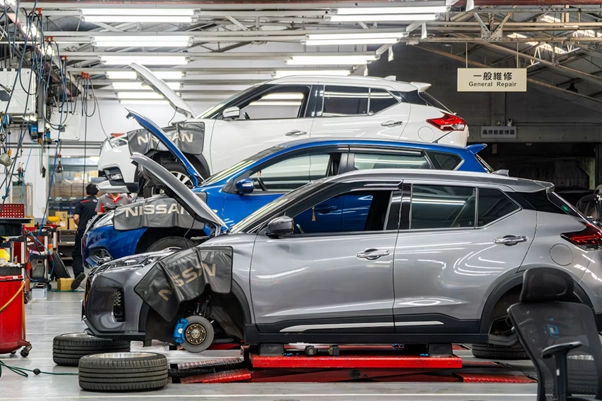
Delaying minor tune-ups creates a compounding financial penalty for your household budget. Small preventive steps cost a fraction of emergency repairs, which often run multiples higher when components fail.
- Catch small leaks: Spotting a minor gasket seep prevents catastrophic fluid loss on the highway.
- Replace worn brakes: Swapping brake pads early protects expensive rotors from deep scoring.
- Renew air filters: Clean intake filters restore lost power and prevent extra fuel consumption.
According to S&P Global Mobility data tracking fleet longevity, the average vehicle age on American roads has climbed to a record of 12.6 years. Keeping older cars reliable requires treating minor squeaks and dashboard warnings as urgent cues rather than background noise.
How Does Routine Tire Maintenance Protect Handling?
Tires represent the sole physical contact between your vehicle and the road surface. Rotating treads every 5,000 miles distributes friction across all 4 wheels and prevents lopsided wear patterns. Routine alignment checks keep your car tracking straight, cutting down on unnecessary replacement expenses.
Neglected air pressure ruins fuel mileage and degrades stopping grip in wet weather. According to data from the National Highway Traffic Safety Administration (NHTSA), properly inflated tires save drivers up to 11 cents per gallon and reduce blowout hazards. Monthly pressure checks keep money in your wallet and preserve predictable steering response.
Taking control of your car's maintenance schedule preserves its value and keeps your daily routine running smoothly. Committing to proactive checkups transforms your vehicle from a financial liability into a dependable long-term asset.













Comments