>>
Industry>>
Real estate>>
Winning in Dubai Real Estate T...Winning in Dubai Real Estate Takes More Than Choosing the Right Property
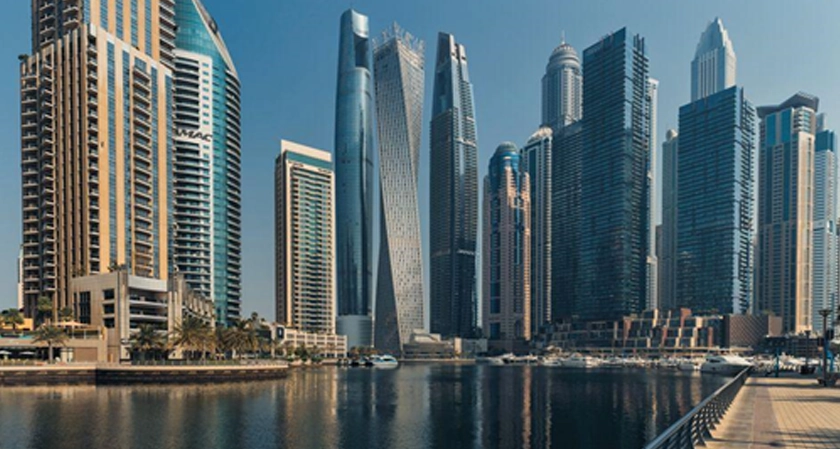
Dubai's real estate market rewards investors who understand the difference between an attractive property and a sound investment. The city offers luxury apartments, waterfront residences, family villas, and emerging communities, but impressive architecture alone cannot guarantee strong returns.
Success requires a combination of market research, financial discipline, location awareness, and careful property selection. Buyers must understand what attracts residents, how ownership costs affect profitability, and which developments align with their long-term objectives.
Whether you're purchasing your first investment property or expanding an existing portfolio, the following strategies can help you approach Dubai's competitive real estate market with greater confidence.
Research Developers Before Comparing Individual Properties
Choosing the right developer is an important part of purchasing real estate in Dubai, particularly when considering properties that are still under construction.
Established developers offer buyers the opportunity to explore different residential projects, compare property types, and evaluate communities based on their investment goals.
Damac Property Developer is known for developing luxury apartments, villas, and residential communities across Dubai. Its portfolio includes high-rise residences, waterfront developments, and master-planned communities designed around modern lifestyles.
However, investors should look beyond a developer's reputation and examine individual projects carefully. Construction quality, location, available amenities, and long-term maintenance standards all influence a property's investment potential.
For off-plan purchases, reviewing payment schedules, contractual obligations, and expected completion dates is equally important.
A reputable developer can be a useful starting point, but successful property investment ultimately depends on selecting a development that aligns with your financial objectives.
Understand What Makes a Location Financially Attractive
Dubai has several recognizable residential districts, but a prestigious address does not automatically translate into superior investment performance.
Different neighborhoods attract different residents. Professionals may prioritize proximity to business districts, while families often seek schools, parks, healthcare facilities, and larger living spaces.
Investors should examine transportation connections, nearby employment opportunities, community amenities, and the availability of competing properties.
Established districts may offer clearer evidence of rental demand, while emerging communities can provide opportunities for buyers willing to accept greater uncertainty.
However, future infrastructure announcements should not replace an assessment of existing conditions.
Visit prospective neighborhoods when possible, observe commuting patterns, and compare similar properties.
The strongest locations are not necessarily the most expensive. They are places where residents have practical reasons to live and where purchase prices remain reasonable relative to achievable rental income.
Calculate the True Cost of Property Ownership
One of the most common investment mistakes is focusing on the advertised purchase price without calculating the full cost of ownership.
Dubai property transactions can involve registration fees, agency commissions, mortgage-related expenses, and other administrative charges.
Once the property is purchased, owners may also face service charges, maintenance costs, insurance expenses, and property management fees.
These recurring obligations can significantly influence net rental returns, especially in buildings with extensive shared amenities.
Before committing to a purchase, prepare a financial projection that includes acquisition costs, expected rental income, potential vacancies, and annual operating expenses.
If financing the property, consider how interest rates and repayment obligations affect cash flow.
A property offering an attractive gross rental yield may deliver weaker results after expenses are deducted.
Successful investors assess profitability using realistic net returns rather than relying on promotional figures.
Study Rental Demand Instead of Chasing High Yields
Dubai's international workforce creates opportunities for property owners serving different segments of the rental market.
However, strong citywide demand does not guarantee that every apartment or villa will attract tenants quickly.
Rental performance depends on location, property condition, layout, accessibility, and competition from nearby developments.
Investors should compare similar rental listings and, where possible, examine completed rental transactions to understand achievable income.
Consider the preferences of likely tenants. A professional working in a commercial district may value convenient transportation, while a family may prioritize schools and recreational facilities.
It is equally important to investigate how much new residential supply is entering the neighborhood.
A high advertised rental yield becomes less attractive if prolonged vacancies or frequent tenant turnover reduce income.
Properties that consistently meet residents' practical needs may offer more dependable long-term performance than those promising unusually high returns.
Evaluate Off-Plan Opportunities With Realistic Expectations
Off-plan properties attract investors interested in new developments, modern designs, and structured payment arrangements.
Purchasing before completion can provide access to properties in developing communities, sometimes with payments distributed across construction milestones.
However, off-plan investing introduces risks that differ from purchasing a completed residence.
Construction delays, changing market conditions, contractual provisions, and future housing supply can affect the investment's performance.
Buyers should verify project registration, understand payment obligations, and examine the developer's previous delivery record.
Review what happens if construction schedules change and whether the agreement places restrictions on resale.
It is also important to assess the surrounding neighborhood as it exists today rather than depending entirely on proposed future amenities.
Off-plan opportunities can form part of a successful investment strategy, but they require careful due diligence and sufficient financial flexibility.
Use Dubai's Ownership Framework to Your Advantage
Dubai allows foreign nationals to purchase freehold property in designated areas, making its real estate market accessible to international investors.
The city's ownership framework provides opportunities for buyers seeking rental income, long-term investment holdings, or residences for personal use.
Its tax environment can also be attractive. The UAE generally does not impose personal income tax on individuals, although property transactions and ownership still involve various charges.
International buyers should also investigate any tax obligations arising in their country of residence.
Understanding ownership documentation, registration procedures, financing requirements, and applicable regulations is essential before purchasing.
Independent legal guidance may be particularly useful when reviewing unfamiliar contracts or complex transactions.
Investors should avoid assuming that favorable ownership conditions eliminate financial or legal responsibilities.
The real advantage comes from understanding the available opportunities and using the regulatory framework to support a carefully planned purchase.
Build a Strategy That Can Survive Market Fluctuations
Dubai's real estate market offers significant opportunities, but property values and rental conditions can change.
Investors should avoid making decisions based entirely on recent price increases or expectations of rapid appreciation.
Instead, establish clear financial objectives before purchasing.
Are you seeking dependable rental income, long-term capital growth, or a property that could eventually become your residence?
Your answer should influence the neighborhood, property type, financing arrangements, and intended holding period.
Maintain financial reserves for unexpected repairs, vacancies, and changing market conditions.
It is also sensible to consider how easily the property could be sold if your circumstances change.
Success in Dubai real estate comes from combining the city's economic advantages with disciplined investment decisions.
The most rewarding properties are not necessarily the most luxurious. They are those purchased with realistic expectations, supported by genuine demand, and managed with a long-term perspective.













Comments