30 Best Companies to Watch 2026
An Innovator Revamping Blood Collection for the Realities of Modern Bedside Care: Vascular Integrity
The Silicon Review

For more than three decades, hospitals have tried to solve blood-collection quality problems by narrowing workflows, adding more rules, or introducing highly specialized single-purpose products. But none of those approaches addressed the real-world environment where blood is actually collected — at the bedside, by nurses, in fast-moving clinical settings where workflow, patient stability, and access conditions vary from moment to moment.
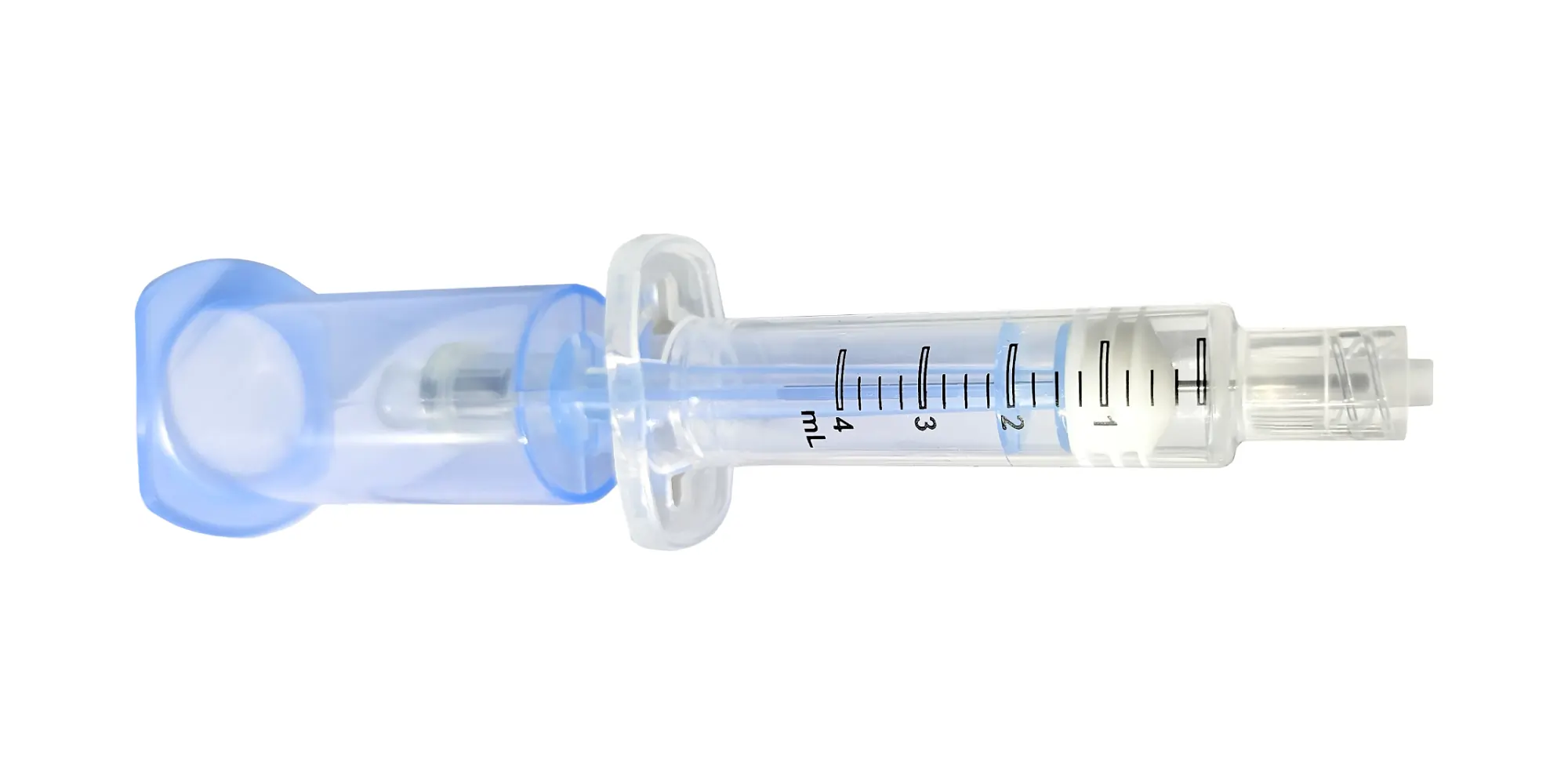
Vascular Integrity takes a different view. The company’s VI ByPass Syringe® is built around a simple premise: technology should support how clinicians really want to practice — not force them to work around it. Instead of fragmenting blood collection into separate devices and additional painful procedures, the ByPass Syringe enables a universal, competency-based approach that improves sample quality while reducing unnecessary patient needlesticks.
A Universal Approach — Not a Replacement for Venipuncture
Historically, “simple venipuncture” was seen as the default solution for obtaining high-quality blood samples. But today’s clinical reality is different. Patients are older, more fragile, more medically complex — and often have limited peripheral access, prior stick trauma or scarring, indwelling lines already in place, or time-sensitive care environments.
What used to be simple venipuncture has, in many situations, become a more complex procedure influenced by many contributors — patient condition, vein fragility, urgency of care, staffing variability, and workflow constraints. In these more difficult venous-access scenarios, repeat attempts can increase patient discomfort, delay care, and lead to redraws or rejected specimens.
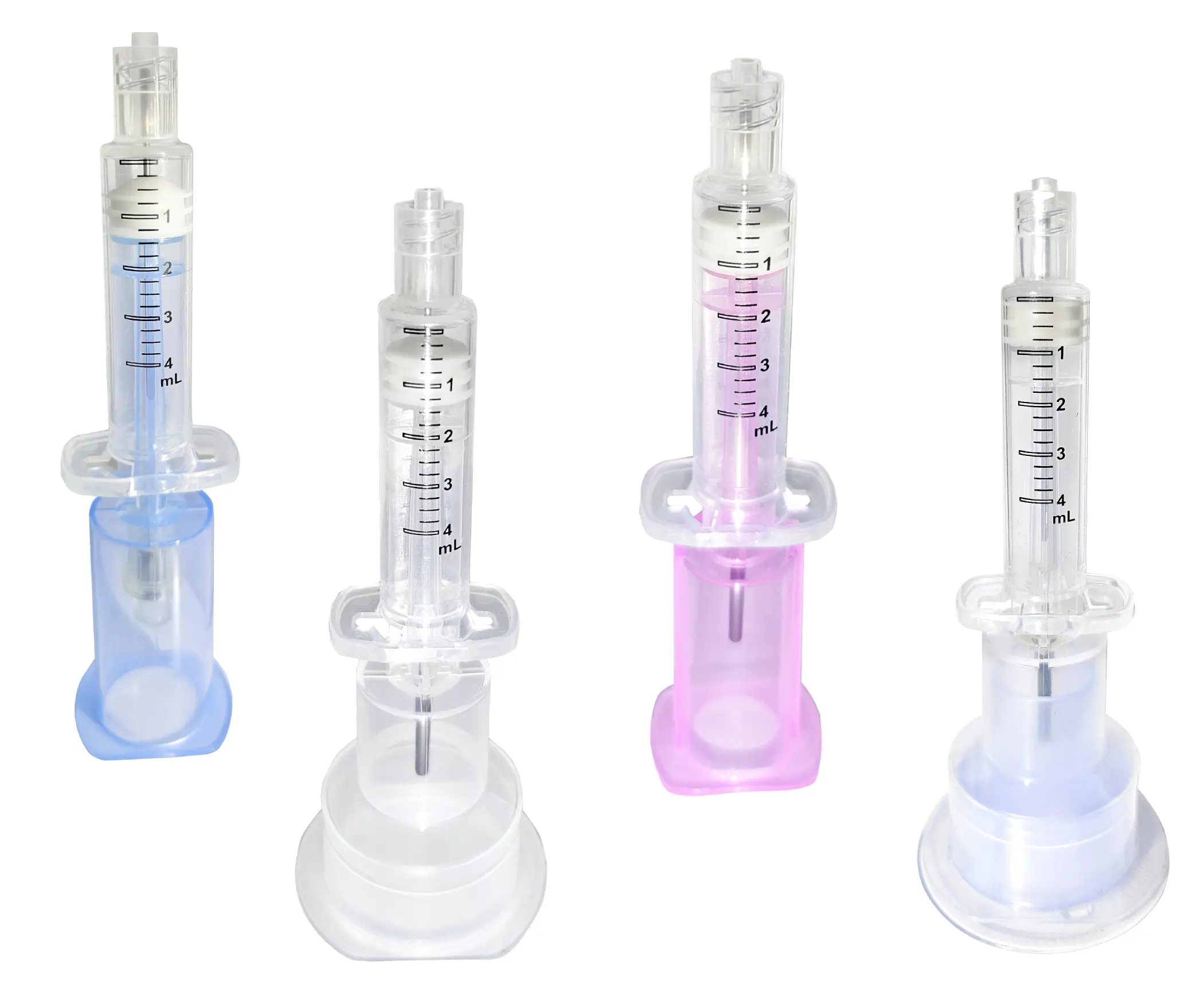
The ByPass Syringe is designed to help in exactly these situations. It supports high-quality blood collection from existing vascular access when clinically appropriate, while still fully supporting direct venipuncture when that is the best choice for the patient. The goal is not to exclude venipuncture — but to reduce avoidable repeat sticks, improve sample consistency, and provide another safe, competency-based option in challenging access conditions.
Rather than forcing a single pathway, the ByPass Syringe strengthens clinician judgment and supports the realities of modern bedside care.
Designed Around Real‑World Nursing Practice
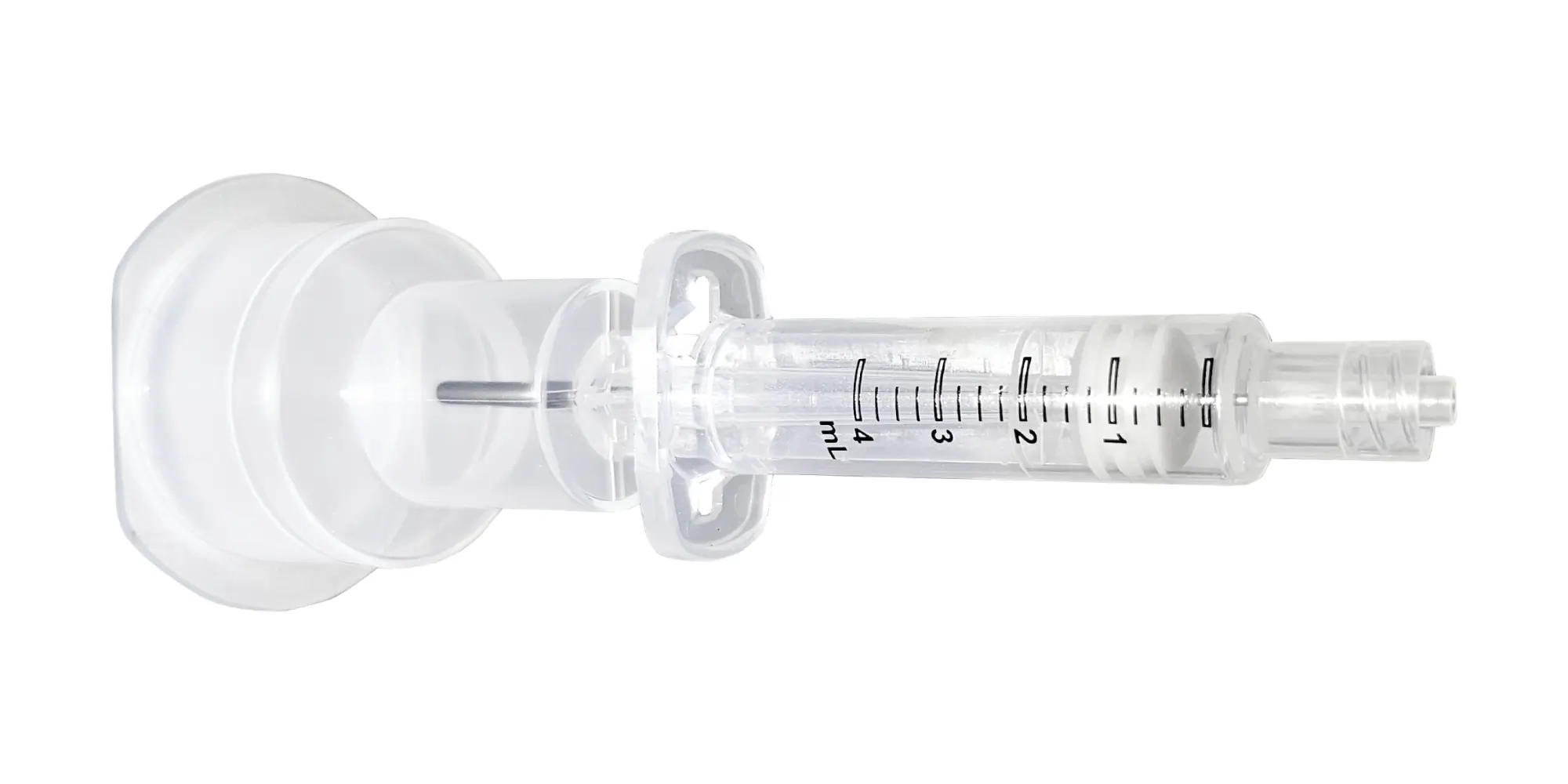
Throughout its regulatory history, bench-performance testing on the ByPass technology has demonstrated reductions in mechanical contributors associated with contamination, sample degradation, and unnecessary line manipulation. The device’s integrated closed-system design allows nurses to perform blood sampling, flushing, and line maintenance within the same controlled workflow.
Hospitals value this because it aligns with how nurses already care for patients, supports competency-based practice rather than rigid policy exceptions, and reduces variability between departments and shifts. Instead of requiring a new “specialty workflow,” the ByPass Syringe makes existing workflows more consistent, more efficient, and more patient-centered.
Reducing the Hidden Cost of Unnecessary Needlesticks
Repeat venipuncture attempts — especially in difficult-access patients — are a leading source of patient discomfort and anxiety, procedural delay, specimen rejection and redraws, and downstream cost and resource use.
By enabling higher-quality sampling from existing lines when appropriate, the ByPass Syringe helps reduce avoidable sticks in environments where vascular access is already established — such as intensive care, oncology, pediatrics, and emergency care.
Nurses have always recognized that workflow, patient condition, and timing impact outcomes. The ByPass technology gives them a tool that supports that reality — rather than working against it.
A Technology Built to Strengthen Clinical Judgment
What makes the ByPass Syringe different is not just its design — it is its philosophy.
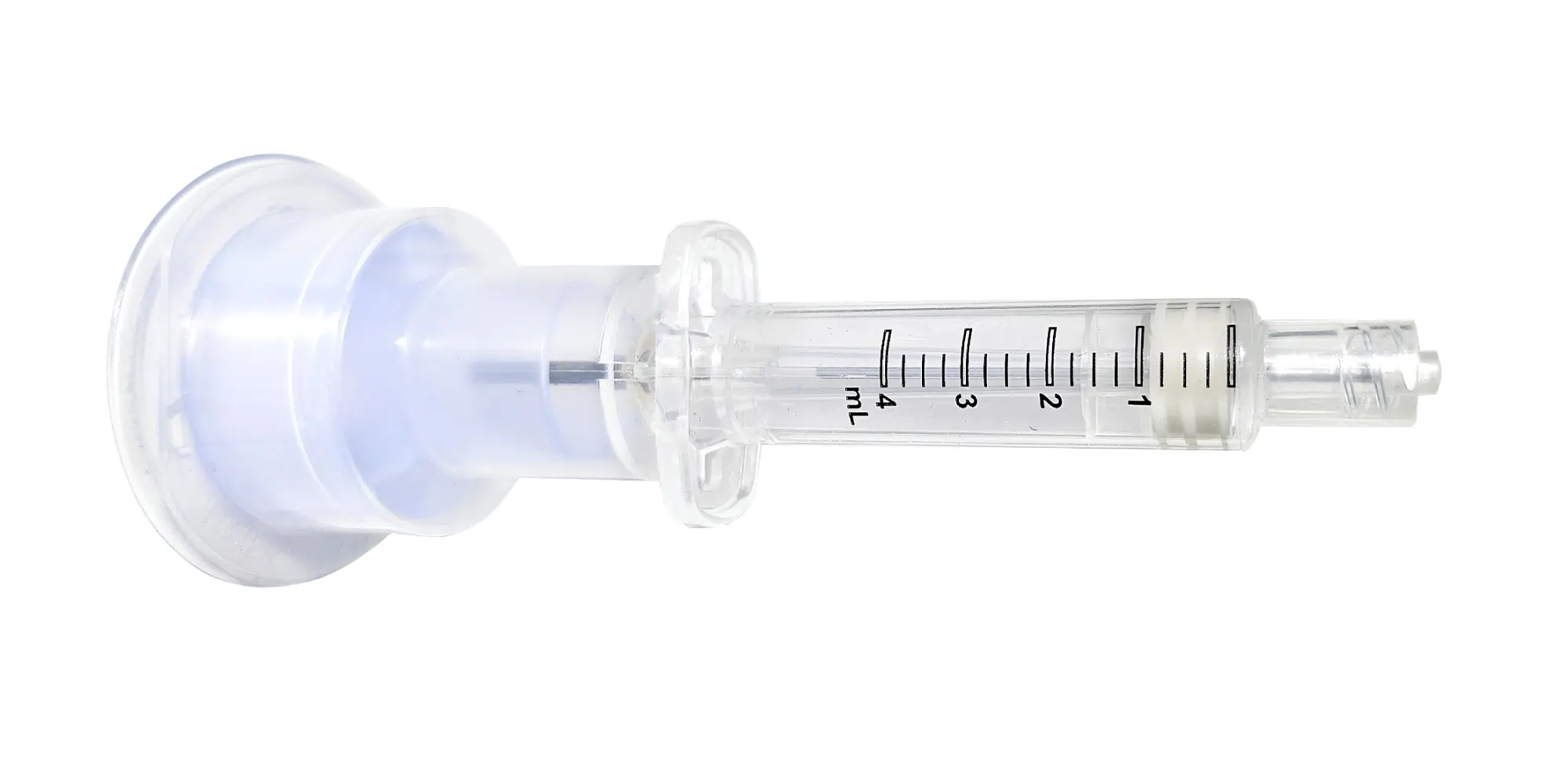
Rather than engineering a single-purpose solution, Vascular Integrity built a platform that supports clinician decision-making, standardizes technique across settings, and preserves flexibility across both venipuncture and line-draw use cases.
The approach is competency-based, not restrictive. It ensures that whichever method is chosen — venipuncture or line draw — the process remains consistent, closed-system, and quality-focused.
A Long‑Overdue Shift in Blood‑Collection Technology
The ByPass Syringe is not a novelty device — it is a practical correction to decades of fragmented workflows and unrealistic assumptions about “simple venipuncture.”
Hospitals adopting the technology see it as a modernization of bedside blood-collection practice, a way to reduce unnecessary patient harm and workflow friction, and a tool that recognizes the complexity of today’s access environment.
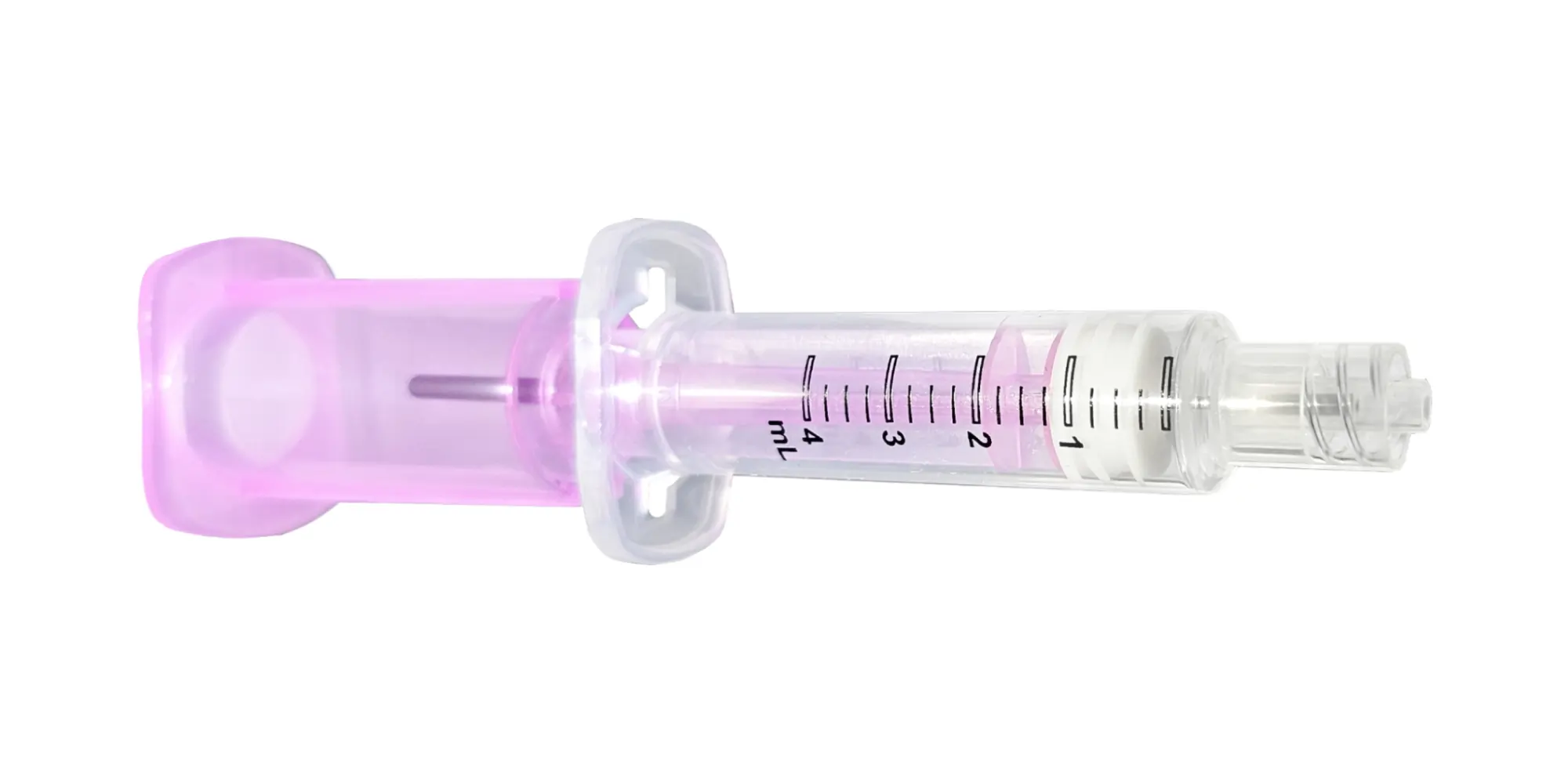
When technology supports nurses, bedside care improves. The VI ByPass Syringe reflects that shift — improving sample quality, supporting difficult venous-access situations, and reducing avoidable needlesticks — while preserving clinician judgment at every step.
Supporting Multiple Hospital Quality Initiatives Through Better Sample Quality
Across today’s healthcare environment, hospitals are working to improve the overall quality and reliability of blood samples across many testing pathways. Quality initiatives increasingly focus on reducing the factors that contribute to redraws, workflow disruption, avoidable repeat venipuncture, and downstream clinical or operational impact.
These initiatives often span areas such as improving the consistency of various blood sample collection processes, supporting efforts to reduce hemolysis and rejected chemistry specimens, minimizing phlebotomy-related blood loss where appropriate, and helping protect existing vascular access through more controlled workflows.
By helping standardize and simplify blood collection from existing lines when clinically appropriate — while still preserving the use of venipuncture when it is the right choice — a quality-focused, competency-based collection approach may help support multiple hospital initiatives at once. These include efforts centered on:
Improving the quality and consistency of blood samples across departments
Reducing avoidable repeat sticks and redraws when they occur due to workflow variability
Supporting initiatives that seek to minimize disruption to existing vascular access
Aligning bedside workflows with nursing-led competency and real-world clinical practice
This framing avoids assigning clinical outcome claims to any single device or workflow. Instead, it emphasizes that improving the quality and consistency of blood sample collection — particularly in difficult-access or high-acuity environments — may help hospitals advance multiple quality, safety, and patient-experience objectives at the same time.
Editorial Note — Quality-Focused Perspective
Across health systems, many quality and patient-safety initiatives share a common theme — the desire to obtain reliable, well-handled blood samples while minimizing unnecessary disruption to the patient or the vascular access in use. Hospitals approach these initiatives in different ways depending on policy, clinical judgment, and care setting, and no single tool or workflow is responsible for outcomes on its own.
From an editorial perspective, leaders increasingly recognize that when bedside workflows are more consistent and controlled — and when nurses are supported with competency-based options that fit real-world practice — the overall environment for quality improvement may be strengthened across multiple initiatives, whether related to specimen handling, workflow efficiency, or patient experience.
Within that broader context, the ByPass Syringe is discussed by customers as a technology that is designed to support quality-focused blood collection practices from existing lines when appropriate, while preserving the continued and important role of venipuncture. This framing allows organizations to consider how improving the way samples are obtained may complement, rather than replace, ongoing hospital-driven quality strategies and multidisciplinary initiatives.
Search Magazine
Latest Listings