>>
Other>>
Press release>>
No More Global Market? Tech Pr...No More Global Market? Tech Producers To Choose Between West Or East During US-China Dispute
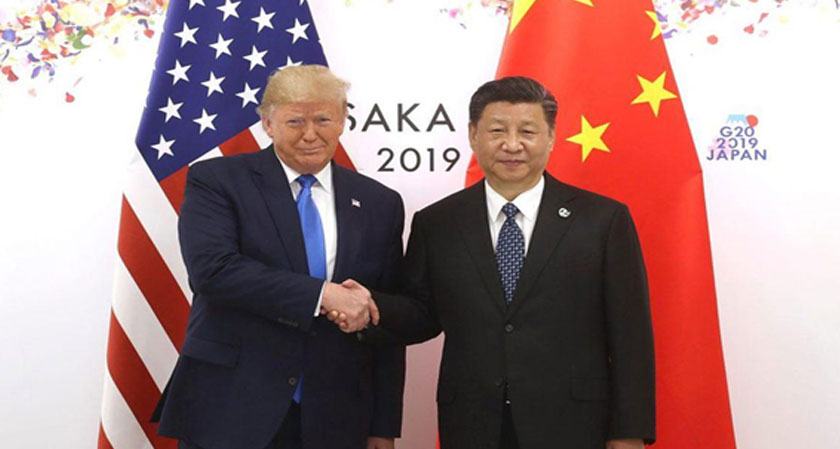
While the current US-China trade war might not be the worst the world has ever seen, the global markets are facing pressure to pick sides, and this is only seeming to get worse. Just recently,as is typical of the Trump administration, Donald Trump tweeted that there would be a tariff increase of 10% on all goods worth $300 billion imported from China, which sent stock prices plummeting and intensified the trade war. Such events can cause deep economic impacts, with the risk of currency devaluation through uncertainty and volatile stock prices.
Beyond these tariff changes, this trade war has seen the tension descend into technology. As the economic power of the East rises, Western powers, particularly the US and the EU, are facing differences between their stance. The U.S appears to be focused on keeping things Western, as soon with their recent decision to not utilise Huawei to develop 5G technology, despite the Chinese firm securing their position as a leading force in that field. The UK and the rest of Europe, on the other hand, appear more open to talks, which could ultimately lead to tension between western allies.
For this reason, tech producers are quickly having to decide whether to choose the West or East when it comes to the development and distribution of everything from mobile devices to FinTech. Deputy Governor of the Reserve Bank of Australia, Guy Debellerecently claimed during one of his speeches that one of the biggest concerns from this trade war isn’t the direct effects, but instead, the uncertainty that it has caused.
He warned that “it is plausible that the effect of the technology dispute will be larger than that of the tariffs… The technology dispute raises the possibility that any business involved in the technology production chain will have to choose between East and West rather than selling into the global market.”
We’ve seen this in action already, with leading brands considering supply chain rethinks in order to improve their position amidst the growing tensions. Despite China and the USA holding positions as two of the greatest countries for manufacturers, the likes of Steve Madden, Techtronic Industries (Hoover) and even Google’s hardware maker, Flex, have moved their production to the likes of Cambodia, Vietnam and Mexico respectively. Flex is also looking for new production centres in Malaysia.
Previously, supply chains between China-based manufacturers and their clients in the USA have been some of the strongest, but the trade war has shaken this up completely. On the company’s move, Techtonic Industries chief, Joseph Galli, said;
“While China will remain an important part of our global manufacturing platform for the next decade, we have accelerated the ramp-up in other low-cost countries and the US… The focus on Vietnam in the short term is offsetting the future tariff impact we might see in the US”
At the time, the US had only levied 25% tariffs on $50 billion of Chinese industrial goods but, with recent rises and the potential for more on the horizon, more and more companies could follow in the footsteps of the above companies. With things still unclear as to whether the U.S frustrations that initially began the trade war will be addressed any time soon, the potential for the tensions to both heighten and continue on for months to come is high.
For tech companies and investors alike, the threat to the U.S tech market seems to be the starring factor in the trade war, and understandably so. Regardless of whether China really is a threat to the U.S in terms of technological advancements is unclear, but has certainly been enough to trigger strain between the two countries. Only time will tell as to whether this trade war is set to end and those in tech need to pay careful attention to stay ahead.