>>
Industry>>
Space>>
NASA Mission To Reveal Sun&rsq...NASA Mission To Reveal Sun’s Mysteries To Better Predict Space Weather Around Earth
The Silicon Review
06 December, 2019
Author:
The Silicon Review Team
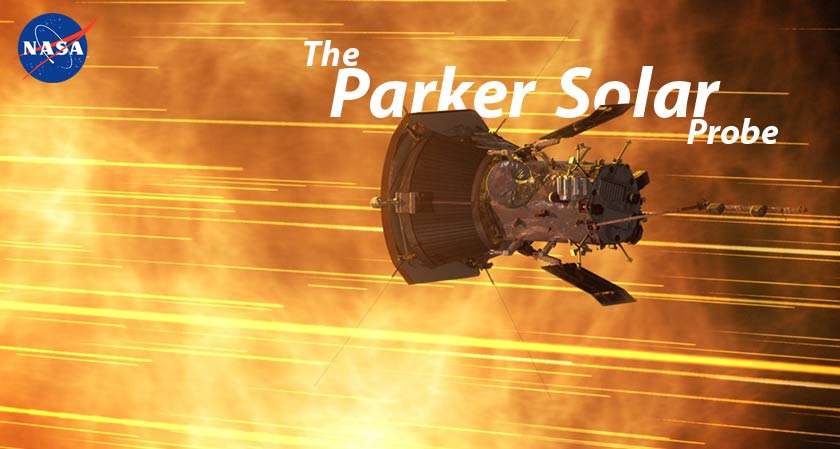
Parker Solar Probe, NASA’s robotic spacecraft to make the closest ever trip to the Sun has sent back data about the unexplored regions of the solar atmosphere showing detailed information that could help explain how the plasma outflows from the Sun affect the weather around Earth. The Parker Solar Probe was launched last year in August. It has completed three of the twenty four planned expeditions through the unexplored regions of the Sun’s atmosphere called the corona. The new findings from this mission have been published in the Nature journal on Thursday by scientists. The studies of how the Sun ejects materials and energy will help scientists understand and predict the space weather around the Earth and also help shed light on the process through which stars are created and how they evolve. The materials that escape the surface of the Sun are due to the solar wind. Thesematerials bathe the entire solar system. Ionised gas called plasma carries the Sun’s magnetic field with it, carrying it through the solar system in a giant bubble that spans upwards of ten billion miles.
“The complexity was mind-blowing when we first started looking at the data,” said Stuart Bale from the University of California, Berkeley, who is heading the Parker Solar Probe’s ‘FIELDS instrument’ section. The section studies the shape and scale of the magnetic and electric fields. Findings show quick reversals in the Sun’s magnetic field along with sudden and fast moving material.