>>
Industry>>
Legal>>
Police Brutality in America: T...Police Brutality in America: The Lawyers Seeking Accountability
The Silicon Review
30 October, 2023
Author:
The Silicon Review Team
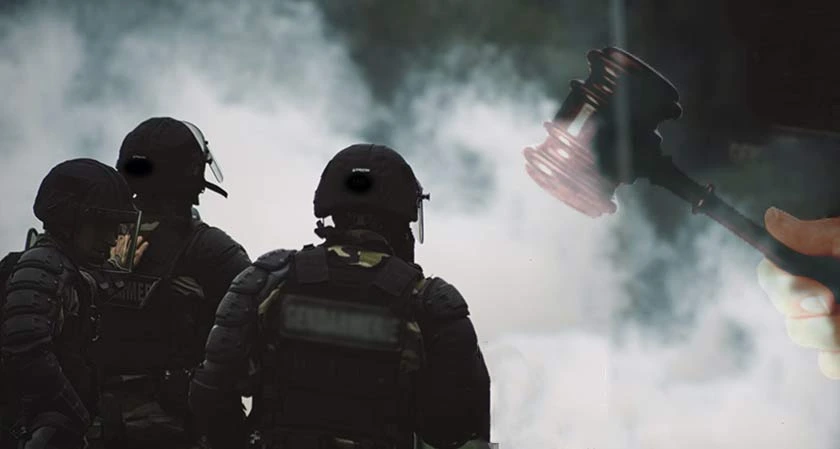
The killing of George Floyd in 2020 sparked massive protests against police brutality across America. The harrowing video showed officer Derek Chauvin kneeling on Floyd's neck for over 9 minutes, despite Floyd's pleas that he couldn't breathe. Peaceful protesters demanded justice and accountability for what seemed like yet another egregious case of excessive police force against an unarmed Black man. Unfortunately, these types of incidents are not isolated. Police brutality remains a systemic problem in America. However, some civil rights lawyers have been actively seeking accountability by representing victims and families in civil lawsuits against police departments. While protests put pressure on politicians, it is often police brutality lawyers who obtain justice for victims and force reforms through legal action. There is still much progress to be made, but these lawyers are leading the fight.
Police Brutality Remains a Systemic Problem
The killing of George Floyd was tragic, but not isolated. Police kill nearly 1,000 Americans each year according to databases that track these incidents. Black Americans are disproportionately the victims, at a rate over twice their share of the population. Yet police are rarely held accountable through the criminal justice system. Despite increased awareness, the Washington Post found that over the past 5 years, only 110 officers have been charged with murder or manslaughter for on-duty shootings. The system protects its own. Research shows that police often lie or distort facts when reporting the use of force. Departments routinely fail to investigate misconduct and enforce weak accountability measures. Civilian review boards intended to provide oversight lack independence and authority in most cities.
High-profile cases like Eric Garner, Philando Castile, and Breonna Taylor show that excessive force continues to be used, particularly against minorities. Meanwhile, problems also exist with false arrests, illegal searches, and neglect of victims from marginalized communities. No matter the outrage sparked by viral videos, data confirms these issues are systemic in police culture. Until root causes like inadequate de-escalation training, warrior mentalities, and lack of diverse representation are addressed, real change remains elusive. The justice system must move beyond piecemeal reform to acknowledge and remedy deep-seated problems with policing in America today.
Lawsuits as a Path to Police Accountability
Civil rights lawsuits are a key tool that lawyers use to hold police accountable and drive reform. By suing police departments over misconduct, victims can obtain financial restitution. More importantly, these suits bring public attention to systemic issues and sometimes produce significant policy changes through court-enforced consent decrees. However, officers are often protected from liability by the legal doctrine of qualified immunity. This shields police from lawsuits unless they clearly violate "established statutory or constitutional rights" - a vague standard that many judges interpret narrowly.
Some civil rights lawyers are waging legal battles specifically aimed at defeating qualified immunity claims. Recent Supreme Court cases where immunity was denied display how lawyers are actively working to set new precedents that erode the doctrine. Big lawsuit settlements also pressure local governments to implement reforms like body cameras, de-escalation training, and stricter use of force policies. While progress occurs, broader problems with police culture and over-criminalization remain difficult to tackle through the courts alone. Lawsuits provide recourse for victims and chip away at injustice, but passing comprehensive reforms also requires changes to policy and public attitudes.
The Critical Role of Litigation in Police Reform
Police brutality has been an ongoing civil rights issue for decades, with protests erupting periodically in response to high-profile incidents of excessive force. While these protests apply vital public pressure, lasting change also requires legal action. Civil rights lawsuits against police departments play a crucial role by compensating victims, establishing key precedents, and pushing tangible reforms.
Impact litigation has produced major settlements forcing cities to change use-of-force policies, adopt body cameras, and implement new de-escalation training. Consent decrees enforced by federal courts emerged from lawsuits proving a pattern of unconstitutional abuses, mandating oversight and systemic changes. Qualified immunity remains a barrier, but some lawyers are waging legal battles specifically aimed at defeating this doctrine.
Conclusion
Though the road is long, these lawsuits incrementally erode legal protections for police violence. Equally important, litigation can reveal how discrimination, lack of accountability, and racially-biased enforcement practices contribute to the culture enabling brutality. By spotlighting victims and providing irrefutable evidence of systemic problems, civil rights lawyers shape the narrative around policing issues and force a broader reckoning.
While protests apply grassroots pressure, those advocating through the courts have delivered many tangible wins. Impact litigation remains vital to raising awareness, establishing precedents, demanding local action, and addressing the complex legal frameworks that perpetuate injustice. Though incomplete and imperfect, this legal advocacy provides an essential forum for victims and vital leverage for reform.