>>
Industry>>
Healthcare>>
Understanding ECG-EEG Tests Me...Understanding ECG-EEG Tests Medical Diagnostics
The Silicon Review
28 November, 2023
Author:
The Silicon Review Team
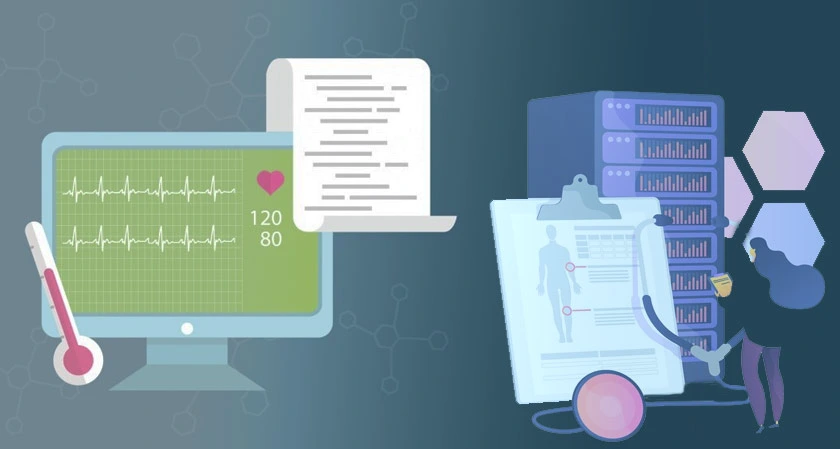
Electrocardiography (ECG) and Electroencephalography (EEG) examinations are critical in measuring heart and brain health in medical diagnostics. These non-invasive treatments provide important insights into the electrical activities of these crucial organs, assisting healthcare practitioners in identifying various disorders.
In this post, you will delve into the complexities of ECG and EEG testing, investigating their relevance and the useful information they provide.
What is ECG (Electrocardiography)?
An electrocardiogram, or ECG, is a diagnostic instrument that monitors and records the heart's electrical activity over a defined period. The electrodes are attached to the skin and detect the electrical impulses generated by the heart. These impulses generate the ECG or EKG (electrocardiogram), visually depicting the heart's rhythm and functionality.
Understanding the ECG Waveform
Understanding the ECG waveform is critical for interpreting the data from an electrocardiogram. The ECG waveform is a graphical representation of the heart's electrical activity throughout time. Let's take a closer look at the ECG waveform's components:
- P-Wave: Represents atrial depolarization, signifying atria contraction.
- QRS Complex: Depicts ventricular depolarization, signaling the contraction of the ventricles.
- T-Wave: Represents ventricular repolarization, indicating the recovery phase of the heart.
Significance of ECG in Diagnostics
Electrocardiography (ECG) is important in diagnosis for many areas of cardiovascular health. This non-invasive test gives important information about the heart's electrical activity, assisting healthcare practitioners in diagnosing and monitoring various cardiac diseases. Here are some significant characteristics of ECG's importance in diagnostics:
Detecting Arrhythmias
An ECG can assist in detecting abnormal cardiac rhythms such as atrial fibrillation or ventricular tachycardia.
Assessing Heart Health
The test aids in assessing the heart's overall health and recognizing problems such as coronary artery disease.
Monitoring Cardiac Medications
ECG monitoring is critical for determining drug efficacy in treating cardiac problems.
What is EEG (Electroencephalography)?
The electroencephalogram, or EEG, is a diagnostic examination that monitors electrical activity in the brain. Electrodes are connected to the scalp, similar to ECG, to detect and record electrical impulses in the brain. The resulting EEG provides useful information about brain function and aids in diagnosing various neurological illnesses.
Understanding the EEG Patterns
Understanding EEG patterns is critical for interpreting the results of an electroencephalogram (EEG) test. Let's look more closely at the various EEG patterns and their significance:
- Delta Waves: Associated with deep sleep and certain brain disorders.
- Theta Waves: Present during light sleep or in abnormal brain activity.
- Alpha Waves: Dominant when the brain is relaxed, like during meditation.
- Beta Waves: Associated with alertness and active thinking.
Significance of EEG in Diagnostics
Electroencephalography (EEG) is useful in diagnosing various neurological diseases. The electroencephalogram (EEG) is a non-invasive and important technique that captures the brain's electrical activity, providing critical information for diagnosing and monitoring a variety of illnesses. Let's look at the importance of EEG in diagnostics:
Epilepsy Diagnosis
EEG is an important technique in diagnosing epilepsy because it detects aberrant electrical activity in the brain.
Brain Disorders
It aids in the detection and monitoring of numerous neurological illnesses, such as Alzheimer's disease and brain cancers.
Sleep Disorders
EEG is used to diagnose sleep disorders by examining sleep patterns and irregularities.
Embrace Technological Advancements in Medical Diagnostics
Electrocardiography and electroencephalography are essential instruments in medical diagnoses. Because they are non-invasive, these tests provide vital insights into the electrical processes of the heart and brain, assisting healthcare practitioners in diagnosing and monitoring a variety of disorders.
As technology progresses, these diagnostic tools will play an important part in safeguarding people's health and well-being. So, if you need to undergo this medical diagnostic procedure, you can check Seer Medical's ecg-eeg test for a reliable healthcare service.