>>
Other>>
Others>>
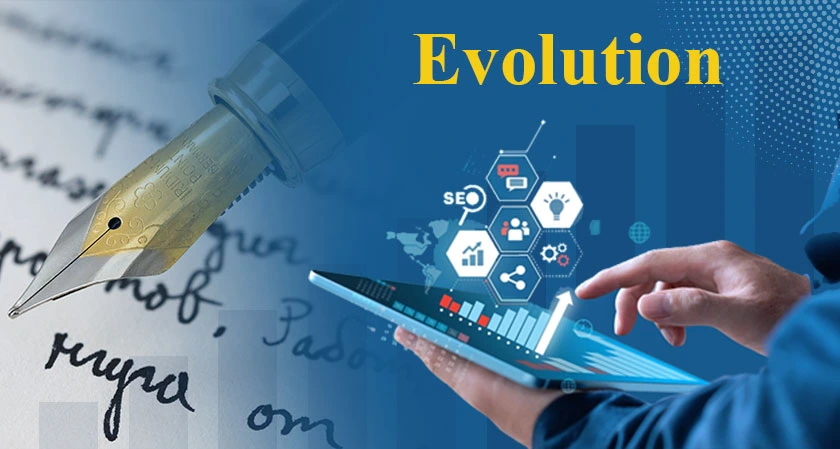
The Evolution of EQMS: From Pe...The Evolution of EQMS: From Pen-and-Ink to Digital Brilliance
The Silicon Review
27 December, 2023
Author:
The Silicon Review Team
Enterprise Quality Management Software (EQMS) solutions are a collection of business procedures and processes designed to ensure that products meet customer requirements.
As business needs have evolved over the years, these solutions must also evolve. For many businesses, a traditional QMS is no longer sufficient for managing increasingly complex supply chains and business processes.
These solutions help organizations keep up with today's rapidly evolving business practices by replacing traditional paper-based systems with electronic software.
Digital Transformation in Quality Management Software
"Digital transformation" is a popular phrase used with increasing frequency over the years. One of the key factors driving this change for many organizations is the increased complexity of supply chains and stakeholder requirements.
Switching over from paper-based quality management processes to digital EQMS solutions is one of the key ways organizations address these issues. EQMS has provided organizations with new and innovative ways to manage quality and interact with customers and stakeholders. For instance, the software can quickly monitor, analyze, and compile data, making it instantly accessible to organizational decision-makers.
Outsourcing these tasks to software frees workers to focus on other, more important tasks, which helps cut costs and improve productivity.
Meanwhile, decision-makers can use this information to create quality programs, eliminate waste, and reduce product recalls. Doing so enables them to improve product quality, create more realistic production schedules, and ensure inventory is current.
Advantages of Digital EQMS
The shift from traditional paper-based methods to EQMS marks a significant leap in organizational efficiency and productivity. This software transcends the limitations of conventional approaches, offering a suite of transformative advantages that are essential for modern businesses. Key benefits include:
- Increased storage capacity: With paper-based methods, documents are stored in large folders and filing cabinets. Using an EQMS means storing them digitally on the cloud instead of in physical folders. Therefore, they take up less space.
- Increased speed: Paper-based methods require employees to sort through and organize. Using a digital EQMS automates these processes. This is significantly quicker, increasing efficiency and productivity by allowing employees to focus on other pertinent tasks.
- Increased responsiveness and accessibility: Key documents are securely stored in a cloud-based, centralized system, ensuring accessibility anytime, anywhere. In comparison, paper-based systems typically require employees to be in the office to access documents, which can slow the process down significantly.
Features and Functionalities of Modern EQMS
Modern EQMS solutions have emerged as pivotal tools for ensuring excellence and compliance. These systems offer a multifaceted approach to maintaining high-quality standards, streamlining processes, and adhering to regulatory requirements. Key functionalities of contemporary EQMS include:
- Real-time data monitoring and analysis: This software solution makes it easy to access a detailed overview of vital data such as product compliance, customer satisfaction, inventory, and cost. This helps to ensure that organizations are meeting quality standards in a cost-effective way.
- Document management: EQMS simplifies document management by centralizing the storage of documentation such as quality policies, training records, and product specifications and making it easily accessible to those who need it.
- Regulatory compliance: This solution helps ensure that organizations comply with standards such as ISO, FDA, and OSHA. This can lead to more effective prevention and faster resolution of potential issues.
- Training management: QMS software is a comprehensive employee training and skills management platform. It tracks completed courses, alerts employees to new opportunities, and offers managers valuable insights into their team's skill levels.
- Automation of repetitive tasks: This software automates monotonous and repetitive tasks that employees typically do. This frees up time to focus on other, more important tasks that cannot be automated and increases productivity and efficiency.
Challenges and Solutions in Transitioning to Digital QMS
Transitioning from traditional paper-based systems to EQMS solutions can pose challenges for organizations. For instance, productivity may be lost while employees familiarize themselves with a new system, and some organizations may worry that the system is too costly or too complex for their requirements.
Before choosing an EQMS provider, organizations should fully understand why they need the software, what they will use for it, and the benefits. Following implementation, organizations should allow employees to take the time required to learn the system. A slight initial reduction in productivity will be worth the long-term benefits.
When it comes to purchasing EQMS, it is also important that organizations fully understand what the initial investment includes. Many providers may charge extra for implementation, upgrades, or support in addition to the initial cost of the software.
Modernizing Quality Management with Digital EQMS
To stay ahead in today's fast-paced business environment, you should consider implementing a digital EQMS within your organization. Quality management systems can assist with real-time monitoring and analysis throughout your organization, along with document management, improved repetitive task automation, regulatory compliance, and training management.