>>
Technology>>
Iot>>
How Busway Systems Are Changin...How Busway Systems Are Changing Lighting in the IoT Era
The Silicon Review
22 October, 2024
Author:
The Silicon Review Team
Lighting technology has undergone significant changes in recent years. New technologies, especially the combination of electrical systems and the Internet of Things (IoT), are transforming the lighting industry. Busway systems, in particular, have become must-haves, providing innovative solutions to meet modern lighting needs. For manufacturers, architects, and engineers, understanding these systems is essential for staying competitive and promoting sustainable practices, making it an important topic in the industry.
While many discussions focus on lighting as a separate topic, integrating busway systems with IoT changes the game. By combining connectivity, automation, and intelligence, this integration is reshaping lighting environments. The basics of busway systems will be covered here, along with how IoT influences lighting solutions and the exciting overlap of these technologies. Future trends promising further innovation will also be discussed, envisioning a world where lighting solutions are as dynamic and smart as the spaces they brighten.
Busway Systems Explained
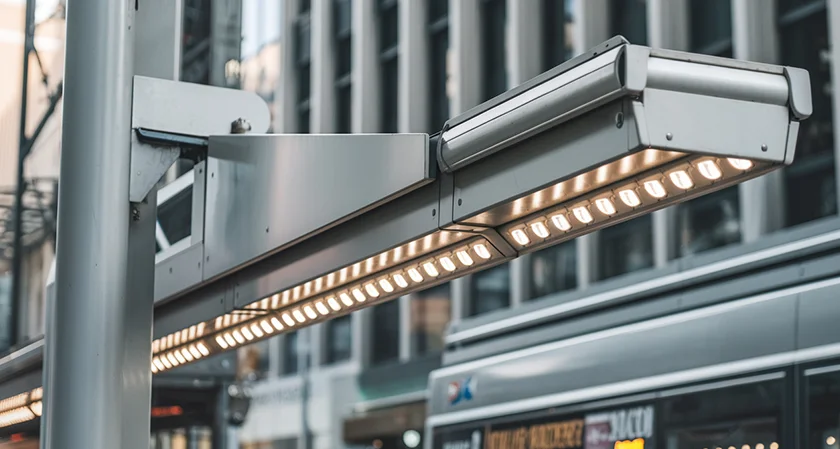
Busway systems are a modern way to distribute electricity that offer major improvements over traditional methods. Essentially, a busway system consists of metal-enclosed conductive bus bars that distribute power within buildings or facilities. Unlike conventional systems that rely heavily on cabling, busway systems provide more flexibility for power distribution in large structures. Their modular design makes it easy to adjust and expand, which is especially useful in changing environments.
The main components include the bus bars, insulating materials, and protective housing to guard against environmental factors, ensuring reliability and safety. Functionally, busway systems are designed for efficient power distribution, reducing voltage drops and electrical resistance while handling higher current capacities. They also simplify installation, allowing for quicker setups and lower labor costs.
The Impact of IoT on Lighting Solutions
As IoT technologies improve, lighting systems are becoming more connected, adaptable, and responsive, changing how we brighten spaces. The key feature of IoT in lighting is its ability to combine connectivity, automation, and intelligence, making existing systems much more useful. IoT-enabled lighting allows for greater control through smart devices, helping save energy and improve efficiency by adjusting lighting to meet real-time needs.
These systems learn from user interactions, automatically adjusting brightness, color, and schedules based on preferences or occupancy patterns. There are many applications, from businesses optimizing energy use to homes creating personalized atmospheres. While some critics raise concerns about complexity and privacy, supporters emphasize the benefits, such as cost savings and environmental sustainability.
Synergy Between Busway Systems and IoT Networks
Combining busway systems with IoT networks creates new opportunities for managing energy distribution in lighting setups. This partnership takes advantage of both technologies to improve energy efficiency and adapt to changing power needs. By adding IoT sensors and controllers to busway systems, we can collect and analyze real-time data, which helps with proactive maintenance and lowers operational costs. This integration allows for efficient energy use, reducing waste while meeting the specific requirements of various spaces—commercial, industrial, or residential.
From a practical standpoint, facilities can adjust power usage as needed, minimizing downtime and extending system life. Although some might see the initial costs of integration as a hurdle, the long-term savings and better energy management offer strong benefits.
Innovations in Smart Lighting Control
Smart lighting control has changed significantly, especially with new control systems combined with busway technology. These improvements have made personalized lighting experiences much better, allowing users to easily adjust settings to suit their preferences. By using sensors and connected devices, these lighting systems can precisely control aspects like color and brightness. This not only improves the atmosphere of a space but also helps save energy by using data to manage lighting in real-time.
This personalized approach allows lighting to change based on factors like the time of day or how many people are in a room, making spaces more functional and comfortable. While some may find this technology complex, it clearly offers valuable benefits, making environments feel more inviting or dynamic.
Future Trends and Developments
Looking ahead at trends in the busway and IoT sectors, it's clear that these technologies will continue to change the lighting industry in unexpected ways. The move towards smarter, interconnected systems highlights the potential for better energy management and sustainability. As busway systems advance, they may use more advanced materials and designs, which will improve efficiency and lessen environmental impact.
Similarly, the growth of IoT is likely to introduce new features in data analysis and machine learning, making lighting systems more responsive and user-friendly. For example, predictive maintenance could become common, allowing for proactive repairs that reduce downtime and costs.
The integration of busway systems with IoT technology marks a significant advancement in the lighting industry, promising to streamline document verification and improve operational efficiency. By simplifying the authentication process and promoting connectivity, this change will ease the burden for individuals and businesses. As advancements continue, stakeholders must remain vigilant about potential challenges while embracing the numerous benefits that these innovative systems offer. The future of lighting and energy distribution is bright, setting the stage for more intelligent, responsive, and sustainable solutions that meet modern demands.