>>
Industry>>
Healthcare>>
Rising H5N1 Bird Flu Cases Cal...Rising H5N1 Bird Flu Cases Call for Heightened Industry Vigilance
The Silicon Review
07 January, 2025
Author:
The Silicon Review Team
With a surge in H5N1 bird flu cases and fatalities reported in key regions, the health sector faces increasing pressure to reinforce monitoring and preparedness strategies.
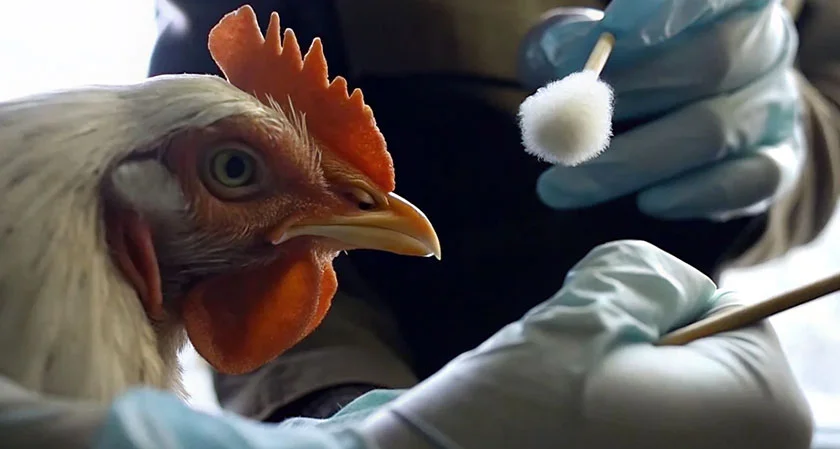
Recent reports of H5N1 bird flu fatalities, including a case in Louisiana, have reignited concerns about the virus’s potential threat to human health and the poultry industry. Although primarily an avian disease, the H5N1 strain has demonstrated the capacity to infect humans in rare cases, often resulting in severe respiratory illness and a high mortality rate. This development underscores the need for enhanced surveillance, rapid response protocols, and strategic planning across sectors impacted by zoonotic diseases.
The Centers for Disease Control and Prevention (CDC) continues to monitor the situation closely, emphasizing the importance of early detection and containment. Bird flu symptoms in humans typically begin with fever, coughs, and muscle aches but can quickly escalate to severe respiratory distress. Recent cases have prompted renewed discussions on vaccine development, biosecurity measures in poultry farms, and public health readiness. The implications extend beyond public health into sectors like agriculture, food supply chains, and biotechnology. Companies specializing in disease detection, genetic research, and antiviral solutions may find this an opportune moment to collaborate with regulatory agencies to bolster preparedness frameworks. Additionally, the poultry industry is under pressure to adopt advanced containment and sanitation protocols to minimize economic losses and prevent potential outbreaks from escalating.
As global flu seasons become more unpredictable, business leaders and health executives must remain proactive. Strengthening partnerships with biotech firms, investing in research, and reinforcing crisis management strategies will be crucial in mitigating risks associated with H5N1. The evolving landscape presents both challenges and opportunities for those ready to innovate in response to emerging health threats. By highlighting actionable insights and solutions, businesses can not only protect their operations but also contribute meaningfully to broader health initiatives aimed at preventing the next pandemic.