>>
Industry>>
Compliance and governance>>
Revised TikTok Deal Could Resh...Revised TikTok Deal Could Reshape U.S. Digital Sovereignty
The Silicon Review
27 January, 2025
Author:
The Silicon Review Team
A groundbreaking proposal could grant the U.S. government a 50% stake in TikTok, redefining digital oversight and security.
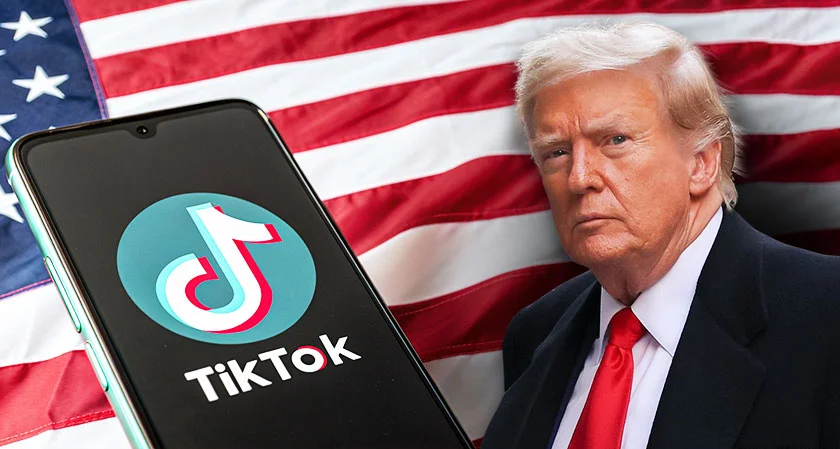
In a move that could redefine U.S. digital governance and global tech partnerships, Perplexity AI has revised its proposed TikTok merger. The revised deal includes an unprecedented provision: a 50% equity stake for the U.S. government. This significant proposal seeks to address long-standing concerns around data security, platform influence, and foreign ownership, particularly in the context of TikTok’s Chinese parent company, Byte Dance. The revised merger plan outlines a dual-governance structure. It grants the U.S. government direct oversight capabilities, including access to platform algorithms and decision-making mechanisms. This proposal aligns with heightened scrutiny of foreign-owned platforms operating on American soil, following growing bipartisan concerns about national security and data privacy risks.
If implemented, this agreement could create a new precedent for private-public partnerships in the tech space, establishing a model for balancing economic collaboration with national security priorities. However, the move also raises potential challenges, such as questions about governmental influence on private enterprises and the broader implications for international trade relations. For U.S.-based businesses, the deal may present opportunities to collaborate on new standards in digital regulation and user data security, offering insights into compliance strategies in a rapidly evolving legal landscape. Companies operating in adjacent sectors, such as social media and AI, should closely monitor developments, as the proposal’s outcome could introduce regulatory ripple effects across industries.
This revision underscores the growing need for robust frameworks that protect national interests while fostering innovation-driven economies and maintaining global competitiveness in the digital landscape. Stakeholders should prepare for potential operational shifts, particularly regarding compliance, governance, technology strategy, and cross-border partnerships as this proposal evolves amid increasing the regulatory scrutiny.