>>
Other>>
Infrastructure and development>>
From Paper Checks to Digital P...INFRASTRUCTURE AND DEVELOPMENT
From Paper Checks to Digital Payments: The Future of Money Transfers
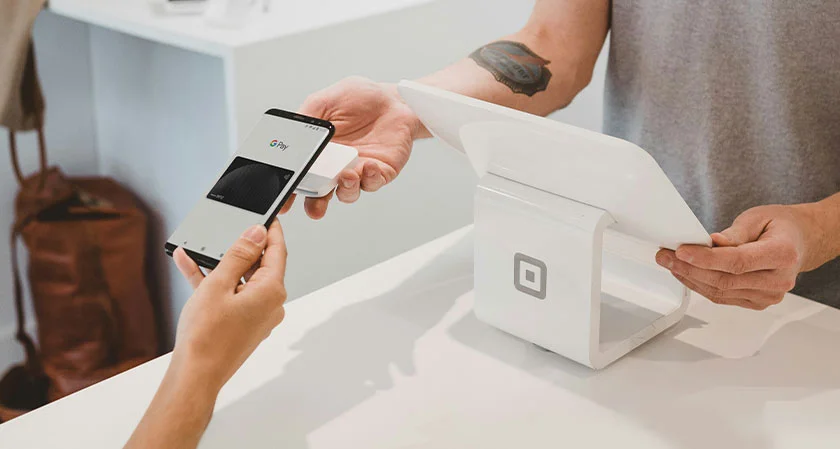
For thousands of years, money—or value—moved through tangible means like cash, checks, and precious metals. Now, financial technology is revolutionizing the way we exchange funds. This new age of digital payments offers speed, security, and is rapidly becoming the norm for both businesses and consumers. This transition from traditional to digital transactions isn't just a fleeting trend; it's the future of how money moves.
The Decline of Paper-Based Transactions
Paper checks were once a dominant payment method, but their use has steadily declined. Writing, mailing, and processing checks take time, and the risk of fraud remains high. Many banks have phased out check-cashing services, encouraging individuals and businesses to adopt digital alternatives.
Cash transactions, while still common in some regions, also face a downward trend. The rise of contactless payments and mobile banking has made cashless transactions more convenient. Businesses benefit from faster checkouts and reduced handling costs, while consumers appreciate the security and ease of digital options.
The Inconvenience of Checks
Checks require multiple steps to process, making them one of the slowest payment methods. A check must be written, mailed or handed over, deposited at a bank, and cleared before funds are available. This process can take several days, delaying payments for businesses and individuals who need quick access to their money.
Fraud is another major issue. Stolen checks, forged signatures, and check-washing scams make them a high-risk payment option. Many businesses no longer accept personal checks due to the risk of dishonored payments, pushing customers toward digital alternatives.
Even those who still rely on checks face additional hurdles, with many banks adhering to strict identification policies before releasing funds. This creates challenges for individuals who may not have the necessary documents, leading them to search for ways to cash a check without ID in order to access their funds.
Cash Transactions in Decline
The use of cash is declining as consumers embrace faster and safer alternatives. Carrying cash comes with security concerns—lost or stolen money cannot be recovered, unlike digital payments that can be traced.
For businesses, handling cash increases operational costs. It requires secure storage, regular deposits, and theft prevention measures. Digital transactions reduce these risks, offering a more efficient way to manage finances.
The Rise of Digital Payments
The growth of digital payments is driven by convenience, speed, and security. Credit and debit card payments, mobile wallets, and online transfers now dominate global transactions. Real-time payment systems allow funds to move instantly, eliminating the waiting periods associated with traditional banking.
Mobile payment platforms such as PayPal, Venmo, and Zelle have simplified peer-to-peer transactions. Businesses rely on digital invoicing, electronic funds transfers (EFTs), and automated clearing house (ACH) payments to streamline operations. The demand for efficiency has pushed financial institutions and fintech companies to develop ever more sophisticated and accessible digital solutions.
Security and Regulation in Digital Transactions
As digital payments replace traditional methods, security remains a top priority. Encryption, multi-factor authentication, and fraud detection technologies safeguard transactions. However, cyber threats continue to evolve, making it essential for financial institutions to stay ahead of emerging risks.
Regulatory bodies worldwide have introduced stricter compliance measures to protect users and ensure transparency. In the U.S., the Federal Reserve and the Consumer Financial Protection Bureau (CFPB) oversee digital payment regulations. Laws such as the Electronic Fund Transfer Act (EFTA) establish consumer rights and fraud protection measures.
The Future of Money Transfers
The shift to digital payments will continue as technology advances. Artificial intelligence (AI) and machine learning are improving fraud detection and payment automation. Open banking initiatives allow seamless integration between financial services, giving consumers more control over their funds.
Cross-border payments are also becoming more efficient. Traditional international transfers involve high fees and long processing times. Fintech solutions now enable instant global transactions at lower costs. This is a trend that is here to stay, the future of money transfers will be defined by speed, security, and accessibility, ensuring financial transactions keep pace with modern demands.
A New Digital World
The transition from paper checks to digital payments is reshaping financial transactions. Digital solutions offer speed, security, and efficiency, reducing the reliance on outdated methods. While challenges such as cybersecurity risks and regulatory compliance persist, innovation continues to drive the financial sector forward. The future of money transfers is digital, and the evolution is already underway.