>>
Industry>>
Environmental sustainability>>
SS United States: Historic Lin...SS United States: Historic Liner Transforms into the World’s Largest Artificial Reef
The Silicon Review
20 February, 2025
Author:
The Silicon Review Team
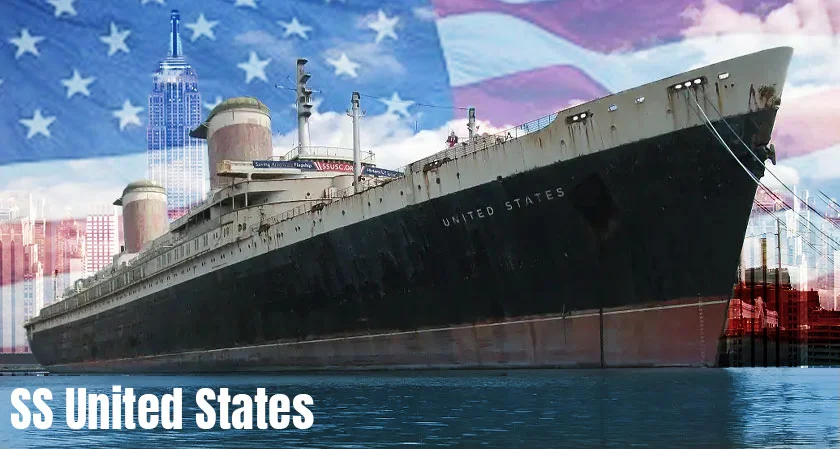
After nearly 30 years docked in Philadelphia, the legendary SS United States is now en route to Alabama, where it will be deliberately sunk to form the world’s largest artificial reef—signaling a strategic shift in maritime conservation efforts.
The SS United States, once a pinnacle of American maritime engineering, has embarked on its final voyage—not to another port, but to the ocean floor. After nearly three decades stationed in Philadelphia, the decommissioned ocean liner is being towed to Alabama, where it will be intentionally submerged to create the world’s largest artificial reef. This transformation marks a significant shift in how historic vessels are repurposed, moving beyond museum preservation to active marine conservation. The ship originally launched in 1951, represented speed, luxury, and national pride, ferrying nearly a million passengers before retiring in 1969. Now, it will serve an entirely new purpose: fostering marine biodiversity and attracting divers, reinforcing the growing intersection of environmental sustainability and industrial heritage.
While artificial reefs have long been used to support marine ecosystems, the decision to sink such an iconic vessel raises broader implications for maritime asset management. As industries explore sustainable end-of-life solutions for large-scale infrastructure, the SS United States’ transformation highlights a new model for repurposing decommissioned assets. This move also aligns with expanding conservation efforts, as artificial reefs help regenerate marine habitats, mitigate erosion, and bolster local economies through ecotourism. The initiative underscores a larger trend in sustainable disposal practices, which could inform future decisions on retired naval and commercial vessels.
For business leaders in defense technology, transportation, and environmental sustainability, this shift signals a potential opportunity. Investing in innovative recycling methods, artificial reef programs, and sustainable decommissioning strategies could unlock new revenue streams while reinforcing corporate environmental responsibility. As regulatory bodies increasingly emphasize sustainable practices, companies navigating end-of-life asset strategies must weigh both economic and ecological impacts. The SS United States, once a testament to American engineering dominance, is now setting a precedent for sustainable maritime innovation—one that industries across sectors would do well to monitor.