>>
Industry>>
Public Relations>>
Legal Victory Reshapes AI’s ...Legal Victory Reshapes AI’s Use of Celebrity Likenesses
The Silicon Review
28 March, 2025
Author:
The Silicon Review Team
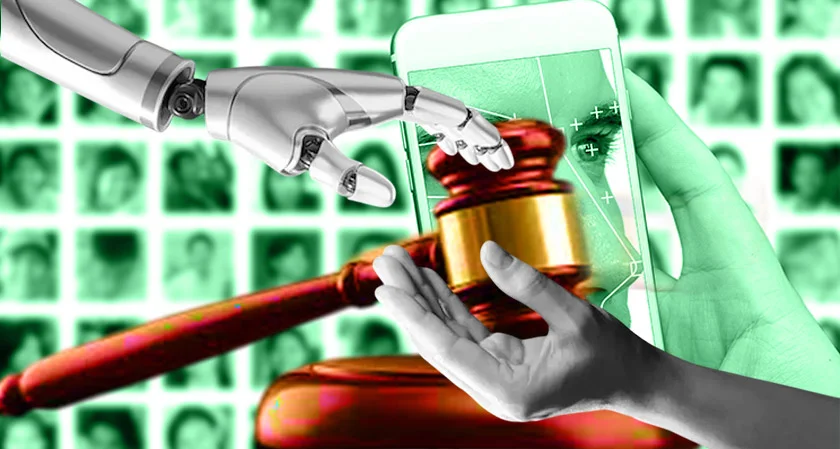
In a landmark ruling, Taylor Swift’s publicist has won a precedent-setting case against unauthorized AI-generated deep fake endorsements, shaping future legal protections for public figures in the digital age.
In a defining moment for AI-generated content regulation, Taylor Swift’s publicist has secured a landmark legal victory against an AI firm accused of producing deep fake endorsements featuring the singer without consent. The case, which centered on the unauthorized use of Swift’s likeness in AI-generated video advertisements, establishes a crucial legal precedent for celebrity image rights in the era of generative AI. The ruling underscores growing concerns over the ethical and legal implications of AI-driven content manipulation. With deep fake technology becoming more sophisticated, the decision sends a strong message that unauthorized digital replicas of public figures for commercial purposes will not go unchallenged. The verdict not only protects celebrities but also sets a framework for legal action against AI misuse in brand endorsements and digital marketing.
Industry analysts believe this case will influence broader legislative efforts aimed at curbing deceptive AI-generated content. As businesses increasingly rely on AI-powered marketing and automation, executives must consider stricter compliance measures to avoid legal exposure. The ruling may also prompt regulatory bodies to fast-track policies governing AI’s role in digital advertising and content creation.
For public relations professionals and corporations, the verdict highlights the urgent need for clear policies on AI-generated branding. With reputation management at stake, organizations must proactively assess the ethical and legal risks associated with emerging AI applications in marketing. As deep fake technology continues to advance, this case signals a shift toward stronger legal protections against digital impersonation, reshaping how businesses navigate AI-driven content strategies.