>>
Industry>>
Banking and insurance>>
How Does the Lack of No-Fault ...How Does the Lack of No-Fault Insurance Affect Motorcycle Accident Claims in Queens?
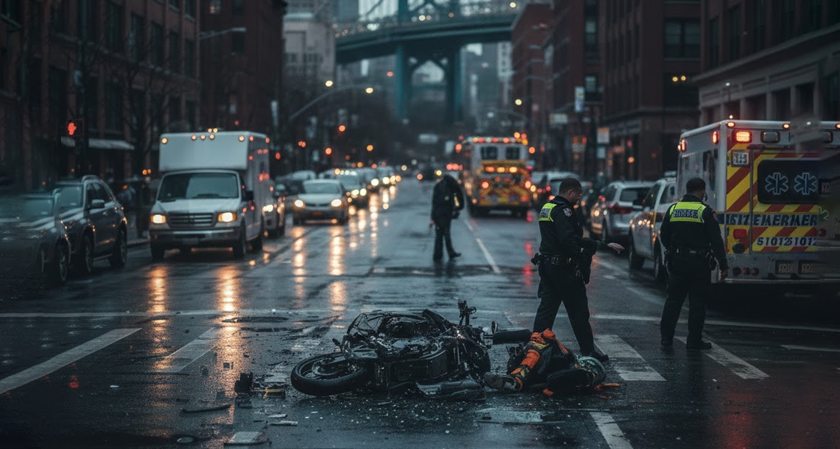
Motorcycle accidents on the busy streets of Queens often leave riders facing complex and costly insurance issues. New York follows a no-fault insurance system for cars, but motorcycles do not receive the same protection. The lack of no-fault coverage means injured riders must pursue compensation from the at-fault party instead of relying on their own insurance for immediate medical expenses.
This difference can create serious delays in getting paid for treatment or lost income. Riders must prove who caused the crash and may deal with aggressive insurers or long claim processes. As a result, understanding how local laws shape these claims becomes important for anyone involved in a motorcycle collision in Queens.
Knowing what rights apply under state law and what steps to take after a crash can make a major difference in the outcome. The next sections explore how the absence of no-fault insurance changes the claim process and what legal and insurance strategies can help riders recover fair compensation.
How the Absence of No-Fault Insurance Impacts Motorcycle Accident Claims
Motorcyclists in Queens often face tougher insurance rules than car drivers. Without no-fault coverage, riders must prove liability before receiving payment for medical costs and other losses. The process becomes more complex, especially when serious injuries require long recoveries or permanent care.
Differences Between No-Fault and At-Fault Insurance Systems
Under no-fault insurance, each party files a claim with their own insurer, regardless of who caused the crash. The idea is to speed up payments for medical bills and lost wages while avoiding long court disputes. Drivers in no-fault states often benefit from this faster resolution.
However, motorcycles are often excluded from no-fault protections. Riders in Queens usually fall under the at-fault system, where compensation depends on who caused the accident. The injured motorcyclist must prove that another party’s negligence led to their injuries.
This distinction creates a significant difference in how claims move forward. Car drivers can collect certain benefits automatically, but motorcyclists must go through investigative steps and sometimes litigation to recover full damages.
Challenges Motorcycle Accident Victims Face Without No-Fault Coverage
Without no-fault benefits, riders in Queens must handle immediate medical costs on their own or through private insurance. Hospitals may bill them directly while fault investigations remain open. Recovery can become financially stressful.
Attorneys who focus on Davidoff Law Personal Injury Lawyers, motorcycle accident lawyers in Queens, assist clients with coordinating insurance claims and medical documentation. Their knowledge helps reduce delays and disputes with insurers.
Victims also face uncertainty about non-economic damages such as pain and suffering. These claims require proof of the other driver’s negligence and evidence showing how the injuries affected daily life. The lack of automatic no-fault coverage means every dollar must be justified through records, reports, and testimony.
Proving Fault and the Role of Comparative Negligence
In Queens, the at-fault system depends heavily on comparative negligence rules. This means each party’s share of blame affects how much compensation they receive. For instance, if a motorcyclist is found 20% responsible, their recovery amount drops by that percentage.
To prove fault, attorneys gather police reports, eyewitness statements, traffic camera footage, and medical evaluations. Each piece of evidence supports the claim that another motorist acted carelessly or broke traffic laws.
Even small details can influence the outcome. Weather conditions, road design, and the use of protective gear often affect fault determinations. Establishing a clear record early helps strengthen a rider’s position during settlement talks or court proceedings.
The Claims Process: From Medical Bills to Pain and Suffering
Filing an at-fault motorcycle claim involves several steps. The injured rider must first notify both insurance companies and provide documentation of injuries, treatment costs, and property damage. Medical records serve as key proof of loss.
Insurers then investigate the accident and may negotiate with the claimant or their lawyer. Settlements often cover medical expenses, lost income, and repair costs. However, additional damages like emotional distress or long-term pain require legal arguments backed by medical and personal evidence.
Because no-fault coverage does not apply, delays often occur while insurers determine fault. Legal representation becomes important to manage communication, protect rights, and push for fair compensation without unnecessary denial or delay.
Legal Strategies and Insurance Requirements for Queens Motorcycle Accident Claims
Motorcycle accident claims in Queens often involve complex insurance issues and the need for strategic legal action. Riders must understand required coverage, optional protections, and how both lawyers and insurance adjusters shape the claim process.
Minimum Required Motorcycle Insurance and Supplemental Coverage Options
New York law requires specific minimum insurance for all motorcyclists. Each rider must carry at least $25,000 for bodily injury to one person, $50,000 per accident for multiple injuries, and $10,000 for property damage. These policies protect others involved in a crash but do not pay for the rider’s own injuries, since motorcycle operators are excluded from the state’s no-fault system.
To address this gap, many riders add uninsured/underinsured motorist (UM/UIM) coverage. This protection applies if an at-fault driver has little or no insurance. Some also add medical payments coverage or collision coverage to handle personal medical costs or vehicle repairs.
A motorcycle accident attorney often reviews an injured rider’s insurance terms to identify any hidden benefits or conflicting policy language. This legal guidance helps victims file claim documents correctly and meet strict deadlines under New York insurance laws.
The Role of Motorcycle Accident Attorneys and Insurance Adjusters
Attorneys play a direct role in guiding every part of a motorcycle accident claim. They collect police reports, witness accounts, and medical records to prove fault. Because riders must show negligence instead of relying on no-fault benefits, evidence matters more than in standard car accident claims.
Insurance adjusters represent the insurance company and aim to limit payouts. They review medical records, investigate the crash, and may question the claimed damages. A lawyer balances this process by presenting clear proof of the other driver’s liability and negotiating for fair compensation.
Many riders prefer a motorcycle accident lawyer who understands New York’s traffic laws and insurance rules. This experience helps counter low settlement offers and protect the claimant’s right to recover full payment for injuries and lost wages.
Addressing Insurance Disputes and Securing Fair Settlements
Disputes often occur over liability, medical costs, or repair estimates. If adjusters deny or undervalue a motorcycle accident claim, a lawyer can demand a review or pursue a lawsuit for damages. The attorney may also arrange expert testimony to support the injury’s cause or future treatment costs.
Fair settlements come from accurate documentation. Riders should keep copies of medical invoices, repair bills, wage statements, and communication with insurers. These records form evidence that supports a stronger negotiation.
A structured negotiation or mediated settlement can resolve most insurance conflicts without court involvement. However, if an insurer continues to delay or dispute payment, legal counsel can file a civil claim within the state’s three-year statute of limitations to protect the rider’s rights.
Conclusion
The lack of no-fault insurance for motorcycles in Queens means riders cannot rely on automatic coverage for medical bills or lost wages. They must instead pursue compensation from the at-fault party’s insurance or file a personal injury claim. This process can take longer and may depend heavily on evidence and witness accounts.
Unlike car drivers, motorcyclists face higher risks on the road yet have fewer built-in protections under state insurance laws. Therefore, carrying strong liability and uninsured motorist coverage helps reduce financial stress after an accident.
Legal guidance also plays a major role. An attorney can explain available options, handle insurance negotiations, and help prove fault. With the right steps, injured riders can protect their rights and secure fair compensation despite being outside the no-fault system.