>>
Industry>>
Real estate>>
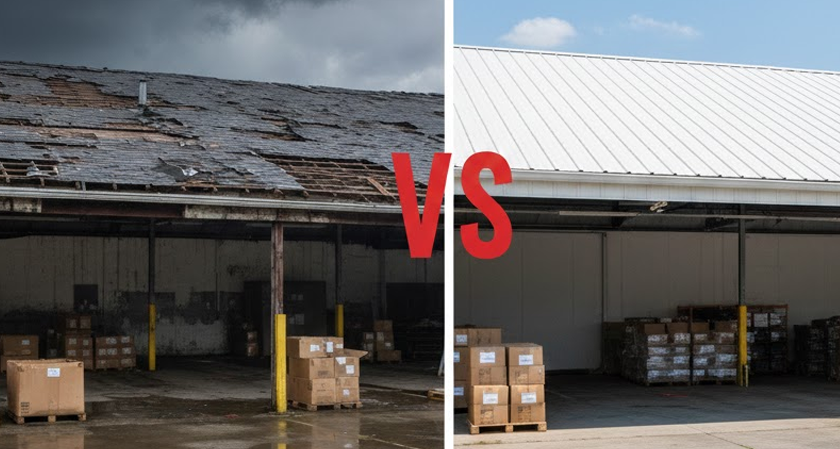
The Real Cost of Postponing Ro...The Real Cost of Postponing Roof Replacement for Columbus Warehouses
The Silicon Review
17 December, 2025
Hundreds of warehouse roofs in Columbus are operating beyond their service life, showing cracks, leaks, and insulation decay. Limited contractor availability and unstable material prices have made roof repairs less predictable than before. Tools like infrared scanning, moisture detection, and structural load testing now help facility teams locate hidden water damage and confirm roof strength before adding new layers.
Delaying replacement increases risks such as inventory damage, work stoppages, and higher insurance costs. Tracking repair costs by area, scheduling replacements based on roof condition, and contracting during low-demand months reduce overall spending and downtime. Comparing total lifecycle costs, energy waste, and compliance risks helps warehouse managers set accurate replacement priorities.
Structural Risks from Deferred Maintenance
When roofs age past their design limits, small cracks and separated seams allow moisture into the insulation and deck. These problems grow quickly, leading to surface collapse and reduced load capacity. Providers specializing in commercial roofing in Columbus use advanced tools such as moisture scanning and sectional roof condition ratings to locate hidden issues early and extend roof performance through targeted repairs.
Routine structural reviews are key, especially when additional layers or rooftop equipment increase total roof weight. Independent inspections confirm that framing and supports remain within safe limits. The resulting reports guide managers in scheduling sectional replacements, planning repair budgets, and preventing costly shutdowns by maintaining consistent structural reliability.
Escalating Financial and Operational Costs
Tracking all repair expenses per square foot helps determine when ongoing maintenance is no longer cost-effective. Financial records should separate direct costs such as labor and materials from indirect costs including damaged goods, lost work hours, and increased insurance premiums. This separation exposes how total losses build up over time.
Monthly summaries of repair data and downtime hours reveal when replacement becomes the cheaper option. Measuring business interruption in hours and cost per hour gives a clear financial indicator. Updating property valuations based on roof condition shows potential devaluation and lending risk, allowing teams to create precise, data-based replacement schedules.
Liability and Compliance Exposure
Deferred maintenance can increase safety and regulatory risks, including slips, electrical faults, and roof drainage violations. Conducting safety inspections every six months with written reports and prompt repairs helps document compliance and reduce liability. Detailed maintenance records support insurance claims and lower penalties associated with delayed corrective work.
Accurate documentation, including maintenance logs, tenant agreements, and permits, limits disputes over repair duties. Linking inspection records to stormwater management files demonstrates compliance with environmental and access regulations. Adding contract clauses that define repair responsibilities, notifying insurers after major repairs, and scheduling the next hazard review keep facilities within compliance standards and lower overall risk.
Energy Waste and System Inefficiency
Older roofs allow heat to escape in winter and enter during summer, forcing HVAC systems to work harder and consume more energy overall. Annual infrared scans and small roof core samples locate wet insulation and show where heat loss is greatest. These results help maintenance teams plan targeted insulation and membrane repairs that improve overall building energy efficiency and performance consistency.
Installing higher-rated insulation, reflective surfaces, and properly sealed edges reduces energy transfer and lowers heating and cooling costs across large commercial spaces. Reviewing rooftop mechanical systems, sealing pipe openings, and inspecting flashing details prevent air leaks and moisture entry. Tracking energy use per square foot before and after upgrades confirms how well repairs improve overall system performance and sustainability.
Strategic Timing and Lifecycle Control
Proactive scheduling of roof replacement maintains budget predictability and operational stability. Securing service contracts during lower-demand periods often delivers better pricing, faster project mobilization, and improved warranty coverage. Establishing clear milestones and payment stages keeps contractor performance aligned with project targets and reduces cost overruns.
Combining roof work with HVAC or insulation upgrades reduces mobilization costs and material waste. Locking in pricing at the time of signing helps avoid price increases later. A tracking system that records inspection results, repair history, and load tests helps determine the right time to replace sections, preventing disruptions and protecting stored goods.
Postponing roof replacement in Columbus warehouses leads to increasing repair costs, energy loss, and safety risks that outweigh temporary savings. Regular inspections, moisture detection, and structural reviews preserve roof integrity and prevent major damage. Scheduling replacements by roof condition, securing off-season contracts, and maintaining full compliance documentation control expenses and liability exposure. Coordinating energy audits, repair tracking, and budget forecasting creates a reliable schedule for upgrades and maintenance. Using these data-driven methods helps facility owners maintain building value, prevent downtime, and extend the life of roof systems through consistent, well-planned management practices.
MOST VIEWED ARTICLES
RECOMMENDED NEWS








LATEST NEWS


TOP NEWS
YOU MAY ALSO LIKE


_2025-11-17_06-38-14.webp)