>>
Industry>>
Healthcare>>
Common Dental Emergencies and ...Common Dental Emergencies and How Professionals Handle Them
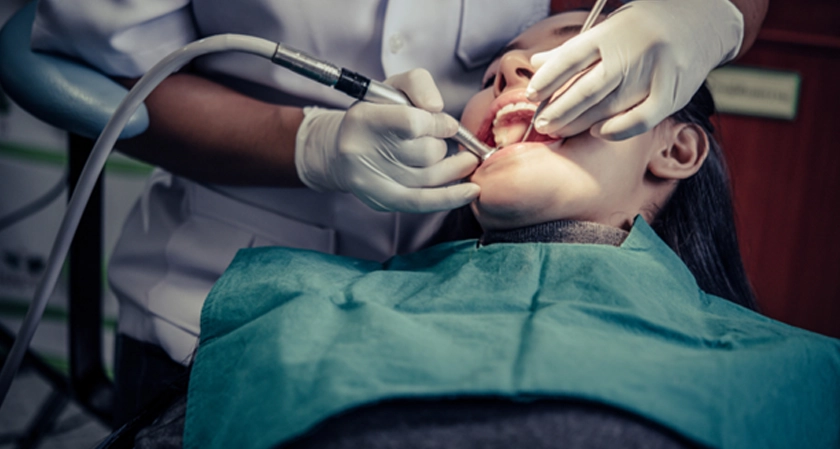
The Silicon Review
28 February, 2026
Dental suffering can just appear on short notice. For instance, one day you are going about your life; then suddenly, a sharp stab of pain or even a broken front tooth or swelling of the gum makes you stop.
Such emergency cases not only hurt; in fact, they interrupt work, meals, and sleep. Moreover, procrastination would transform an issue that could be solved by simply offering care into a health problem.
Fortunately, there are practitioners who have been trained to handle the assessment, stabilization, and treatment of such issues within a short time. By taking the right steps in the early stages, you can greatly reduce pain, decrease the chances of catching an infection, and save your natural teeth.
This article, therefore, documents five typical dental emergencies, their symptoms, significance, and the way dental practitioners can treat them accurately and carefully.
1. Broken Tooth
A broken tooth can be caused by biting on something hard, falling, or accidentally knocking the tooth around. With this type of injury, there are often sharp edges, pain, and sensitivity to hot or cold. Beyond the immediate discomfort, cracks expose the inner tooth structures, increasing the risk of decay and infection.
Prompt attention is crucial. Early intervention stabilizes the area and prevents bacteria from reaching the pulp, the living nerve tissue inside the tooth. Dentists usually start with a visual and radiographic examination to assess the severity of the fracture.
Minor chips may only require smoothing and bonding with composite resin, while larger breaks often need crowns to restore full function. If the fracture extends into the pulp, a root canal may be necessary before restoration.
Anyone experiencing sudden dental trauma should visit an emergency dentist in the area. Access to urgent care available in the area allows reducing pain, preventing infection, and increasing the probability of preserving the affected tooth. For instance, if you are living in Exeter, immediately visiting an emergency dentist Exeter can make sure you receive timely and appropriate treatment.
2. Knocked‑Out Tooth
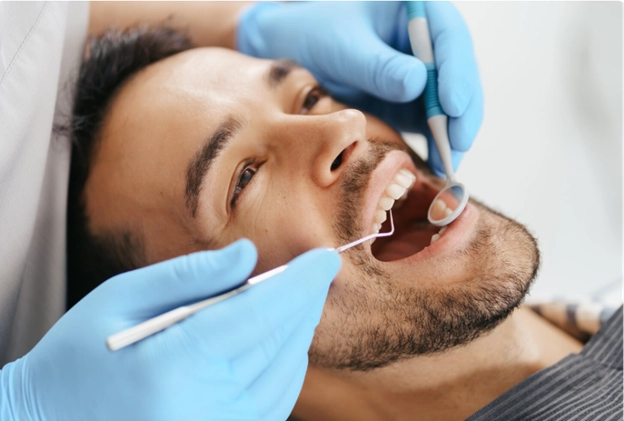
A knocked‑out (avulsed) tooth is dramatic and alarming, but the steps taken in the first minutes determine whether the tooth can be saved. This type of emergency is most common in sports injuries, falls, and accidents.
Clinical studies highlight that the timing of replantation and handling of the avulsed tooth directly influence success rates. Teeth replanted within a short window before the periodontal ligament cells die have a much higher chance of reattachment and long‑term survival.
In case a tooth is knocked out, rinse it carefully without rubbing the root of the tooth, then either insert it back into its socket or put it in milk or saliva till you can replant it. At the dental clinic, the dentist will clean the socket, reposition the tooth, and secure it with a splint for proper healing. Tetanus prophylaxis can also be used, as well as antibiotics, especially when the environment is contaminated.
3. Severe Toothache
A throbbing, constant toothache is one of the most common dental emergencies. It is an indicator of more than sensitivity, generally inflammation or infection in the inner part of the tooth or tissue around the tooth. Due to the absence of immediate treatment, the infection may expand to other sections of the mouth or into deeper tissues.
Dentists approach severe pain by first identifying the source via clinical tests and imaging. If the nerve inside the tooth is infected, root canal therapy can remove the inflamed tissue while preserving the structure.
Abscesses may require drainage and antibiotics. In case the tooth is untreatable, extraction can be considered. These measures benefit an individual by not only alleviating pain but also avoiding spreading to the rest of the body and causing an increasingly complicated infection.
4. Dental Abscess
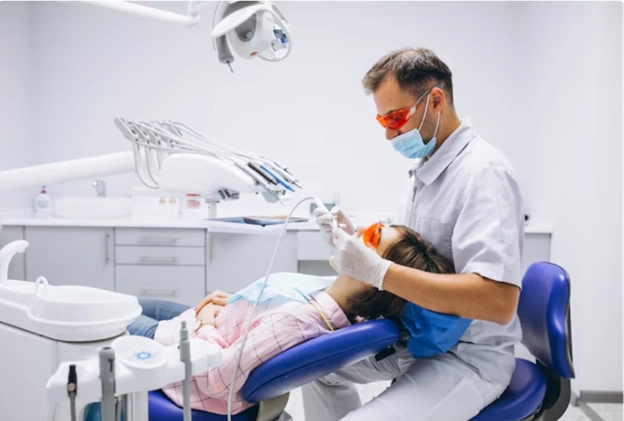
A dental abscess comprises an area where there is pus due to bacteria that invade around the teeth or in the gums. Local swellings, tenderness, fever, and bad taste or odor are symptoms. Such infections are not only painful, but they can also spread to the tissues around them and prove to be a serious problem if not cured.
Moreover, elimination of the source of infection is critical for stopping its progression. Antibiotics are recommended primarily when systemic involvement or spreading cellulitis is present, rather than as a standalone treatment.
In practice, the first thing to do is to drain accumulated pus to relieve pressure and pain. Dentists then carry out specific treatments to deal with the state of the tooth. By combining drainage with definitive treatment, professionals are able to manage the symptoms and keep the long-term complications to a minimum.
5. Lost Filling or Crown
A lost filling or crown may not seem as serious as a broken tooth, but it leaves sensitive dentin exposed and vulnerable to decay and pain. Food particles can accumulate in the region, leading to irritation and infection.
While temporary solutions such as dental cement from pharmacies can provide temporary relief, they do not treat decay or damage.
At the dental office, the dentist examines the remaining teeth. If a crown is still in place, it can be re-cemented; otherwise, a custom restoration is created. Lost fillings are replaced with long-lasting material such as composite resin or porcelain.
Therefore, getting proper and prompt dental treatment will prevent the decay from continuing and help reduce the pain while helping to extend the tooth's longevity.
Conclusion
Dental emergencies can happen to a certain level of severity and need to be treated with empathy. The immediate care involves working on saving a tooth and not losing one. Early detection of red flags such as severe pain, swelling, or a knocked-out tooth and professional assistance saves oral and general health.
Whether it means replanting a broken tooth or treating an infection before it becomes too severe, the dentists use evidence-based practices to restore and protect your teeth. Remember, taking action sooner rather than later not only solves your immediate problem, but it also helps you maintain your long-term health.
MOST VIEWED ARTICLES
RECOMMENDED NEWS








LATEST NEWS


TOP NEWS
YOU MAY ALSO LIKE


_2025-11-17_06-38-14.webp)