>>
Industry>>
Defense technology>>
USAF Targets Early 2040s for N...USAF Targets Early 2040s for New Airlifter Fleet
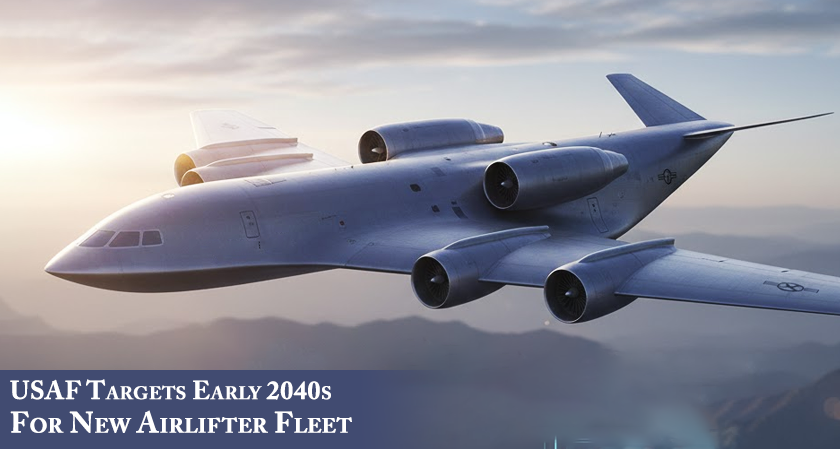
The US Air Force aims to field a next-generation airlifter by the early 2040s, initiating a critical modernization of its strategic mobility fleet.
The United States Air Force has formally outlined its ambition to field a next-generation tactical airlifter, with a target entry-into-service date in the early 2040s. This program, known as the "C‑X" or "Next Generation Airlifter," is designed to eventually replace the aging C-130 Hercules fleet, the backbone of the military's intra-theater logistics and special operations mobility. The timeline initiates a decades-long, multi-billion-dollar acquisition process critical to maintaining America's unmatched global reach and ability to rapidly deploy forces and supplies into contested and austere environments worldwide.
This long-range planning starkly contrasts with the immediate procurement needs driving today's defense budget. The 2040s target reflects the immense complexity of developing a new platform that must integrate stealth technology, advanced propulsion, and autonomous capabilities while operating from short, rough fields. This matters because it demonstrates that the future of airpower projection depends on survivable and agile logistics, not just fighter jets. The Air Force is committing to a platform modernization that will redefine tactical mobility for the 21st century's second half, ensuring the U.S. maintains a qualitative edge in moving armies and material.
For defense contractors and aerospace investors, this announcement is the starting gun for one of the most significant future contracts of the coming decade. It necessitates immediate investment in next-generation propulsion, composite materials, and digital design to compete for the potentially $100+ billion program. The forward-looking insight is clear: the company that wins this contract will dominate military airlift for fifty years. This will trigger a fierce competition between traditional primes like Lockheed Martin and emerging players, making mastery of digital engineering and agile manufacturing the key differentiators in securing the future of U.S. strategic mobility.