>>
Industry>>
Fintech and Financial Services>>
6 Efficiency Tips for Managing...FINTECH AND FINANCIAL SERVICES
6 Efficiency Tips for Managing Multiple Business Banking Accounts
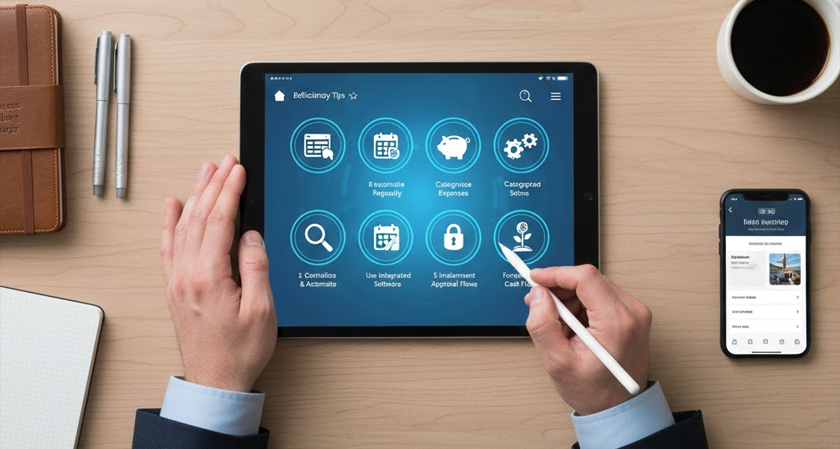
Many business owners maintain more than one bank account to keep their finances secure and flexible. Having multiple accounts ensures they have an alternative if one bank’s services are temporarily unavailable, and it also allows them to assign different accounts for different purposes, whether for supplier payments or reserve funds.
While this approach helps keep funds organized, managing several accounts at once can be challenging without a clear system. Business owners may find it difficult to monitor cash flow, avoid missed payments, or prevent funds from being mixed. The good news is that with the right strategies, it’s possible to manage multiple accounts efficiently while also supporting smoother operations.
Here are some practical tips to help you handle multiple banking accounts more effectively.
- Assign Different Accounts for Different Purposes
A practical way to reduce confusion is to give each account a specific role. For instance, you can dedicate your checking account to paying suppliers, utilities, and other day-to-day operational expenses. Meanwhile, your business credit card can be reserved for recurring costs such as software subscriptions or emergency purchases that require flexibility. Your savings account, on the other hand, can serve as a holding area for funds allocated for tax obligations or long-term business goals.
This separation makes it much easier to track where your money goes, and it simplifies bookkeeping since transactions are grouped by purpose. It also allows you to build better spending habits, as you won’t be tempted to dip into funds earmarked for other priorities.
- Leverage Digital Banking Tools
The rise of BSP-licensed digital banks and the growing online platforms of traditional banks have made financial management more accessible to business owners. Instead of lining up at a bank branch, you can now transfer funds, pay bills, and check balances from anywhere through your computer or mobile devices.
There are even online business banking platforms in the Philippines, like Maya Business, that reward account holders for maximizing their use of digital tools. Keeping funds active in their accounts or paying regularly through the platform may give businesses access to better loan offers and more favorable terms. This adds another layer of value to going digital, as it opens the door to financing opportunities that support growth.
Moreover, many business credit cards provide online dashboards where you can categorize expenses and track spending trends. These tools can be invaluable for budgeting and forecasting.
- Utilize Real-Time Alerts and Notifications
To stay on top of your accounts without constantly logging in, you can enable SMS or app-based notifications. These alerts notify you whenever deposits, withdrawals, or charges are made. Utilizing this feature not only gives you peace of mind but also strengthens your financial security. If an unauthorized transaction occurs, for example, you’ll know right away and can report it immediately to your bank.
Real-time alerts are also helpful for cash flow management. For instance, receiving a notification of a low balance in your checking account can prompt you to transfer funds from savings before an outgoing payment bounces. Similarly, reminders about upcoming credit card due dates make it easier to avoid interest charges and late payment penalties. With these alerts in place, you gain better visibility over your accounts and can make timely financial decisions.
- Conduct Routine Account Checks and Reconciliation
Even with technology in place, it’s important to regularly review your accounts to ensure everything is accurate and aligned with your records. Set aside time at least once a month or every quarter to reconcile your checking, savings, and credit card statements with your bookkeeping system. This step allows you to spot discrepancies early, whether they’re double charges or fraudulent transactions.
During these reviews, also evaluate whether your current mix of accounts still fits your business needs. You may find that you’re maintaining an account that comes with unnecessary fees or that consolidating certain expenses onto one card could make tracking easier.
- Take Advantage of Integrated Business Banking Solutions
Some Philippine banks and fintech platforms now offer solutions that let you link multiple accounts, such as checking, savings, and credit cards, under a single dashboard. This integration provides a comprehensive view of your cash flow and eliminates the hassle of switching between different logins to track balances or transactions.
- Work with Your Accountant or Bookkeeper
Managing several accounts becomes smoother when you have professional support. An accountant or bookkeeper can help you maintain accurate records and reconcile accounts. They can also prepare financial statements that comply with BIR requirements. Assigning clear responsibilities to them ensures that nothing slips through the cracks and that your records are always audit-ready.
Moreover, accountants can give you advice on how to maximize your banking setup. For example, they might suggest consolidating expenses onto your business credit card for easier tracking or negotiating with banks to reduce fees.
Efficiently managing all your business banking accounts can give you greater confidence in handling your finances. Multiple accounts, when organized and supported by digital tools, provide convenience and flexibility in addressing day-to-day needs and preparing for future opportunities. With this approach, your bank accounts can serve as safeguards for keeping your business stable and adaptable in a changing environment.


_2026-10-19_13-26-02.webp")
_2026-10-19_13-16-43.webp")
_2026-10-19_13-08-51.webp")