>>
Industry>>
Startups>>
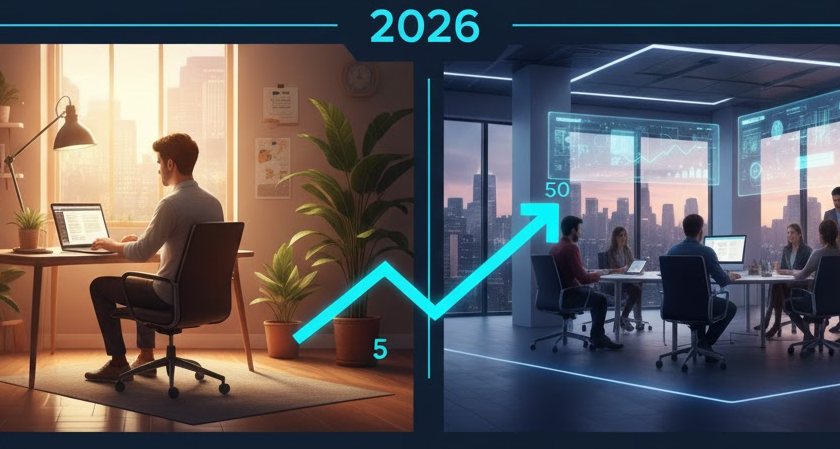
Building a Hybrid-First Startu...Building a Hybrid-First Startup: The New Playbook for Scaling from 5 to 50 Employees in 2026
The Silicon Review
10 January, 2026
Author:
The Silicon Review Team
It's always a balancing act to grow a startup. Going from a small team of five to a fully functioning organization with 50 people is not easy. The plan for expansion in 2026 is different. Startups that use hybrid-first operations, hire people from other countries, and invest in emerging tech roles are winning the talent race while keeping prices down. Research and real-world insights from KineticStaff show how firms can tap into offshore talent—particularly through a reliable BPO business in the Philippines—to scale quickly without giving up quality.
Building a strong hybrid-first foundation early doesn’t just help with growth—it sets the tone for long-term culture, employee satisfaction, and operational efficiency. The key is thinking strategically about roles, responsibilities, and team dynamics from day one.
Why Hybrid-First Is the Future of Startup Growth
Startups used to have to choose between having all of their employees work from home or all of them work in the office. The hybrid-first model lets you have the best of both worlds:
- Flexibility: Employees can choose where they work, which makes them happy and retains them longer. A Buffer study from 2025 found that 97% of those who work from home want their schedules to be flexible. This makes hybrid-first policies incredibly tempting to top talent.
- Access to talent from throughout the world: Hybrid setups make it possible to hire people from different nations, so you can get the skills you need no matter where they are. This is very critical for new tech jobs like AI engineers, cloud specialists, and cybersecurity analysts.
- Cost-effectiveness: Startups can save 60–70% on the same jobs by hiring more individuals in other countries for less money and keeping their physical offices small.
According to a 2025 Gartner survey, companies with hybrid-first policies reported 30% higher productivity and 25% lower turnover compared to fully in-office startups. Beyond cost and productivity, hybrid-first models also encourage diversity, as teams are no longer limited by location.
Mapping Your Growth from 5 to 50 Employees
Scaling effectively requires intentional planning. Rapid hiring without strategy often leads to culture dilution, operational chaos, and costly mistakes. Here’s a step-by-step approach:
1. Define Core Roles Before You Scale
Before hiring, make sure you know which positions are needed for short-term growth and which are needed for long-term growth. Pay attention to:
- Software engineers, UX/UI designers, and QA engineers work on product development.
- Digital marketers, account managers, and lead generation professionals are some of the people who work in marketing and sales.
- Operations and support include project managers, customer success, and administrative support.
Startups often underestimate the value of offshore talent for non-core but high-impact roles, like customer support or content operations. Peter Willson, Director at Kinetic Innovative Staffing, emphasizes that these hires allow in-house teams to focus on strategy while maintaining operational efficiency.
By defining these roles early, founders can avoid reactive hiring and ensure every new team member contributes directly to growth.
2. Embrace Offshore Hiring Strategically
Offshore teams are no longer only a way to save money; they are now a way to develop your business. Startups that use offshore workers get:
- Getting into new tech jobs: Offshore talent pools can help you find AI professionals, data analysts, DevOps engineers, and cloud infrastructure experts that may not be easy to find in your area.
- Operations around the clock: Staggered time zones let development cycles go on all the time and projects get done faster.
- Lower costs: Employees who work from home often do a better job for 60–70% less than employees who work in the same country.
- Scalability: Startups can grow swiftly with offshore personnel without having to pay for office space or equipment for a long time.
A 2024 Deloitte report found that startups leveraging offshore talent scaled 50% faster than those relying solely on local hires. Additionally, startups using hybrid models saw a 37% improvement in speed-to-market for product launches.
Tip: When hiring offshore, prioritize clear communication and process documentation. Tools like Slack, Jira, Notion, and Loom help create structure and transparency across distributed teams.
3. Build a Hybrid Culture from Day One
It's dangerous to grow swiftly without a strong culture. To make a hybrid-first approach work, you need to make an effort to bring together employees who work in the office and those who work from home:
- Clear rules for how to talk to each other: Weekly check-ins, stand-ups, and shared project boards make sure that everyone knows what is most important.
- Inclusive practices: Employees who work from home must be involved in decisions, virtual activities, and parties. Engaging remote teams leads to loyalty and higher productivity.
- Performance metrics instead of presenteeism: Don't worry about how many hours you worked; focus on the results. A culture that focuses on results stimulates workers in all places.
For hybrid-first startups, culture isn’t just HR jargon—it’s a competitive advantage. Startups with strong hybrid cultures report 19% higher employee engagement and lower attrition than those without structured hybrid strategies (Harvard Business Review, 2024).
4. Invest in Emerging Tech Roles Early
Startups will be run by technology in the future. Putting money into new jobs early on guarantees that your team can deal with tough situations and stay ahead of the competition:
- Engineers who use AI and machine learning: Automate processes, look at data, and get the most out of working with clients.
- Cloud infrastructure experts: Build systems that can handle more traffic and are safe.
- Cybersecurity analysts: Follow the guidelines and keep private information protected.
According to LinkedIn’s 2025 Emerging Jobs Report, demand for AI and cloud roles surged by 40% year-over-year, making early hiring critical. Offshore talent is particularly strong in these areas, often offering global expertise at a fraction of local costs.
Best Practices for Hybrid-First Startup Success
Scaling a hybrid startup requires structure and foresight. Here are actionable tips:
- Document processes: Use Notion, Confluence, or similar platforms for onboarding and standard operating procedures (SOPs).
- Leverage asynchronous collaboration: Tools like Slack, GitHub, Jira, and Loom reduce bottlenecks across time zones.
- Track offshore performance metrics: Evaluate quality, turnaround, engagement, and project outcomes regularly.
- Encourage cross-team learning: Virtual workshops, mentorship programs, and team-building activities strengthen cohesion.
- Regularly revisit compensation and benefits: Ensure offshore employees are fairly compensated to maintain loyalty and reduce attrition.
Example: A startup using offshore marketing talent created a 3-hour overlap between local and remote teams for meetings, while asynchronous updates kept work moving. This allowed a product launch timeline reduction of 20%, according to internal company reports.
Common Questions (People Also Ask)
Q: Can offshore talent really integrate into a small startup culture?
A: Absolutely. With proper onboarding, inclusive practices, and hybrid-first policies, offshore employees can fully align with company values and contribute meaningfully to growth.
Q: How do I manage emerging tech roles across different time zones?
A: Leverage asynchronous tools and overlapping “core hours” for collaboration. Schedule weekly progress updates and encourage documentation of decisions to keep everyone aligned.
Q: What’s the ROI of hybrid-first scaling versus fully in-house growth?
A: Startups integrating hybrid and offshore models typically see faster product iteration, reduced hiring costs, access to global talent, and improved retention, translating into higher overall ROI.
Looking Ahead
Scaling from 5 to 50 employees in 2026 isn’t just about adding heads—it’s about building the right team in the right way. A hybrid-first model, combined with strategic offshore hiring, allows startups to access top talent, optimize costs, and stay competitive in emerging tech markets.
Founders can benefit from the insights and resources shared by KineticStaff, which highlight practical approaches to hiring, onboarding, and managing offshore teams while maintaining culture and performance.
Startups that embrace this playbook won’t just survive—they’ll thrive, attracting top talent, launching faster, and scaling smarter.