>>
Industry>>
Marketing and advertising>>
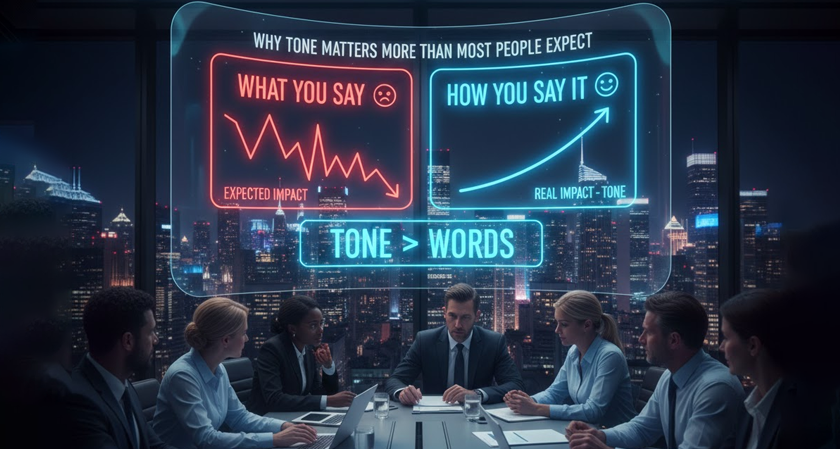
Why Tone Matters More Than Mos...Why Tone Matters More Than Most People Expect
The Silicon Review
06 January, 2026
Author:
The Silicon Review Team
When someone calls your business, they are not just looking for information. They are listening for cues. Is this company warm or formal? Efficient or conversational? Relaxed or buttoned up? In those first few seconds, tone does a lot of quiet work behind the scenes. It shapes trust before a single problem is solved.
That is why training an AI phone answering service to match your brand’s tone is not a technical afterthought. It is part of how your business shows up in the world. A well trained AI can sound calm during stressful calls, upbeat when greeting new customers, or professional when handling sensitive requests. When done right, callers should feel like they are speaking to an extension of your team, not a disconnected system.
Start With How You Already Sound to Customers
Before touching any settings or scripts, it helps to step back and listen to how your business already communicates. Think about voicemail greetings, front desk conversations, email responses, and even the language used on your website. Are you casual and friendly, or more reserved and precise. Do you joke with customers, or keep things straightforward and efficient.
This step is less about finding the perfect words and more about noticing patterns. A local service business might sound neighborly and reassuring. A legal or financial firm might lean toward clarity and calm authority. The AI should not invent a new personality. It should reflect the one customers already recognize.
Turning Brand Values Into Everyday Language
Brand tone often lives in abstract phrases like “approachable,” “trustworthy,” or “modern.” Those ideas are useful, but an AI needs something more concrete. Training works best when those values are translated into actual language choices.
For example, an approachable tone might mean using contractions, simple explanations, and phrases like “I can help with that.” A more formal tone might avoid casual fillers and stick to structured responses. Even small choices, such as saying “Absolutely” versus “Yes,” can subtly shift how the interaction feels.
Many businesses create a short tone guide for their AI. Not a long document, just a few examples of how the brand speaks in common situations. Greetings, appointment scheduling, after hours calls, and problem resolution are good places to start.
Scripts Are the Foundation, Not the Finish Line
Most AI phone answering services rely on scripts to guide conversations. These scripts are important, but they should be treated as a starting point, not a final product. A script that sounds fine on paper can feel stiff or unnatural when spoken out loud.
Reading scripts aloud helps catch awkward phrasing. So does imagining the caller’s emotional state. Someone calling after hours might be frustrated. Someone booking an appointment might be in a hurry. Adjusting the wording to meet those moments makes the AI feel more human and aligned with your brand.
It also helps to include optional variations. Hearing the exact same greeting every time can feel robotic, even if the words are friendly. Slight changes in phrasing keep interactions from sounding rehearsed.
Training the AI to Handle Real Conversations
Tone is not only about greetings. It shows up when conversations go off script. A strong AI phone answering service is trained to respond appropriately when callers hesitate, ask follow up questions, or sound upset.
This is where feedback loops matter. Reviewing call transcripts or recordings helps identify moments where the tone misses the mark. Maybe the AI sounds too cheerful when delivering bad news. Maybe it feels too rigid when a caller needs reassurance. Adjustments based on real calls are often more valuable than anything decided in advance.
Over time, these refinements add up. The AI begins to mirror how a skilled team member would respond, not just what they would say.
Keeping Consistency Across Teams and Channels
One overlooked benefit of training an AI to match your brand’s tone is consistency. Human teams do their best, but everyone has off days. An AI does not get tired or distracted. Once trained properly, it delivers the same experience at 9 a.m. and 9 p.m.
This consistency matters most for growing businesses. As teams expand or shift, the AI helps anchor the customer experience. New hires can even learn from it, hearing how the brand handles common situations. In that way, the AI becomes a reference point, not just a tool.
Adjusting Tone as Your Business Evolves
Brand tone is not fixed forever. A startup might begin with a casual, scrappy voice and grow into something more polished over time. Seasonal changes, new services, or shifts in audience can all influence how a business wants to sound.
The good news is that AI phone answering services are flexible. Tone settings, scripts, and responses can be updated without starting from scratch. Checking in periodically ensures the AI still fits who you are now, not who you were two years ago.
These small updates keep the experience fresh and aligned, especially as customer expectations change.
When the Voice Fits, Trust Follows
Training an AI phone answering service to match your brand’s tone is not about making it sound human for the sake of novelty. It is about making callers feel comfortable, understood, and confident in your business. When the voice on the line feels familiar and appropriate, trust builds naturally.
With thoughtful preparation, clear examples, and ongoing refinement, an AI can reflect your brand just as reliably as your best team member. The technology handles the calls, but your tone still leads the conversation.









-Recovered-Recovered-Recovered_2026-07-25_10-24-34.webp")

-Recovered-Recovered-Recovered_2026-07-25_10-03-12.webp")