>>
Industry>>
Automotive>>
Is Synthetic Oil Better?...Is Synthetic Oil Better?
The Silicon Review
12 February, 2026
Author:
The Silicon Review Team
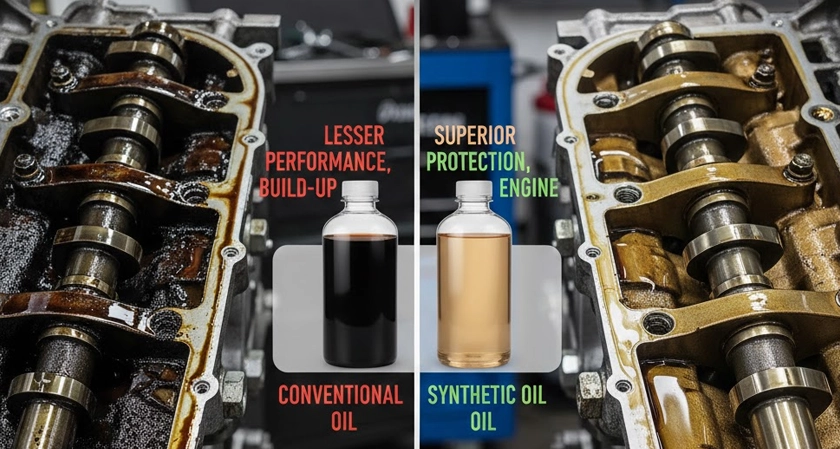
Many drivers ask, is synthetic oil better? The answer is yes for most modern and high-performance engines. Synthetic engine oil is engineered to resist heat, reduce friction, prevent sludge, and protect critical engine components. Compared to conventional oils, it lasts longer and maintains consistent performance under extreme conditions. Regular synthetic oil change services, including an oil change Houston TX, help your engine run cleaner, perform efficiently, and extend its lifespan, making it a smart choice for drivers in Houston.
What Makes Synthetic Oil Different
Synthetic oil vs conventional oil comes down to chemical engineering and performance. Unlike conventional oil, which is refined from crude oil, synthetic engine oil is manufactured for consistency and enhanced properties:
- Heat and cold performance: Maintains viscosity under extreme temperatures.
- Engine protection: Reduces wear on pistons, bearings, and other critical components.
- Longevity: Longer intervals between oil changes compared to conventional oil.
- Additive package: Contains advanced detergents and friction modifiers to prevent sludge and corrosion.
Understanding these differences helps drivers determine whether a synthetic oil change or a switch from conventional oil is right for their vehicle, and why it’s important to rely on a trusted auto repair shop near me for proper service.
Types of Synthetic Oil
- Synthetic and Fully Synthetic Oil
Fully synthetic oil offers maximum protection and is ideal for high-performance or turbocharged engines. Getting a synthetic oil change at Eric Car Care ensures your engine receives the right type of oil and professional service.
Synthetic blends combine conventional oil with synthetic oil, offering moderate protection at a lower cost while still improving engine performance compared to conventional oil alone.
- High-Mileage Synthetic Oil
Formulated for engines over 75,000 miles, high-mileage synthetic oil includes seal conditioners to prevent leaks and reduce oil consumption.
Choosing the right type ensures the engine receives optimal protection while meeting manufacturer specifications, and scheduling your synthetic oil change at Eric's Car Care guarantees proper handling and long-lasting performance.
Benefits of Synthetic Oil
- Reduces engine wear and extends lifespan.
- Prevents sludge and deposits, keeping the engine clean.
- Performs reliably in extreme heat or cold.
- Improves fuel efficiency in some vehicles.
- Extends intervals between oil changes, saving time and money.
Drivers who use synthetic and fully synthetic oil regularly notice smoother engine operation and fewer maintenance issues.
How Often to Change Synthetic Oil
Most vehicles using full synthetic oil should have an oil change every 7,500 to 10,000 miles, depending on driving habits, engine type, and manufacturer recommendations. Drivers who frequently face stop-and-go traffic, extreme heat, heavy loads, or short trips may need synthetic oil changes closer to 6,000–7,500 miles to maintain optimal engine protection, performance, and fuel efficiency.
How to Know When to Switch to Synthetic Oil
This section would explain practical signs and scenarios when switching to synthetic oil is beneficial. For example:
- Engine Age and Condition: Older engines with high mileage may benefit from high-mileage synthetic oils to reduce leaks and oil consumption.
- Driving Conditions: Vehicles frequently driven in extreme heat, cold, or stop-and-go traffic may require synthetic oil for consistent performance.
- Performance Requirements: Turbocharged or high-performance engines experience higher stress and benefit from synthetic oil’s superior protection.
- Oil Change Intervals: If you want to extend the period between oil changes without compromising engine protection.
- Manufacturer Recommendations: Many modern vehicles specify synthetic oil for optimal performance; following the owner’s manual helps maintain warranty coverage.
Key Takeaways
- Synthetic oil offers better engine protection, heat resistance, and longevity than conventional oil.
- Understanding synthetic oil vs conventional oil helps you choose the right option for your engine.
- Synthetic and fully synthetic oils provide superior performance, especially for high-mileage or high-performance vehicles.
- Regular synthetic oil change keeps the engine clean, efficient, and longer-lasting.
- Selecting the right synthetic engine oil for your vehicle prevents premature wear and costly repairs.