>>
Technology>>
Artificial intelligence>>
Mastering Multi-Modal Referenc...Mastering Multi-Modal References: A Complete Guide to Creative Freedom
The Silicon Review
20 February, 2026
Author:
The Silicon Review Team
The Communication Problem in Creative Direction
Michael, a creative director at an advertising agency, was in a frustrating meeting with his client. The client had a clear vision for their campaign, but articulating that vision was proving nearly impossible. They wanted something that felt "cinematic but relatable," "premium but approachable," "dynamic but grounded." These are the kinds of descriptors creative professionals use, but they're vague when you're trying to communicate precise visual intent to someone else.
Michael suggested they gather reference images. The client sent over some mood boards. Michael looked at them and got a better sense of the direction, but the mood boards were still incomplete. Some images captured the desired color palette, others showed the right energy level, still others demonstrated the kind of camera movement they wanted. But no single image or even set of images communicated the full vision comprehensively.
The traditional approach would be to create a mood board, use it as a directional reference, and then spend production time discovering what the client really wanted through rounds of iteration and revision. But this process is expensive and time-consuming. Every iteration requires reshooting, reediting, and reconveying feedback.
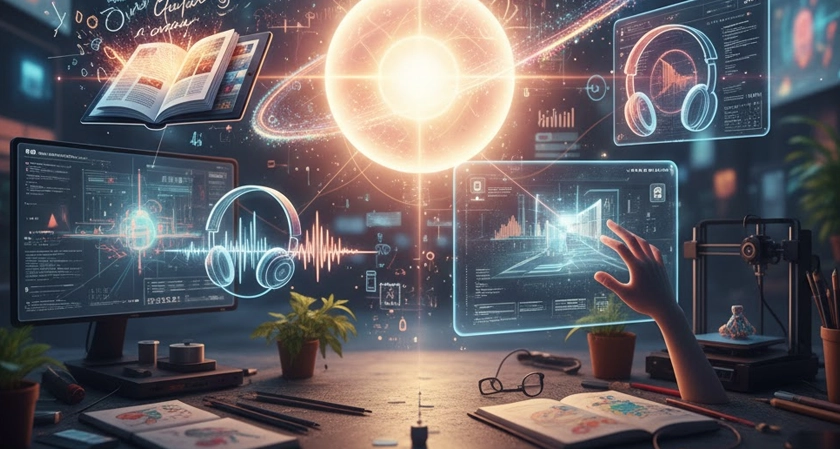
This is the fundamental challenge that Seedance 2.0 solves through its multi-modal reference capability. Rather than describing what you want in words, or hunting for perfect reference images, or trying to explain your vision in abstract terms, you can provide multiple forms of reference—images, video, music, text descriptions—and the system synthesizes all of these different inputs into a coherent output that captures your complete vision.
Understanding Multi-Modal References
The word "multi-modal" simply means "many modes" or "many methods of input." In the context of Seedance 2.0, it means you can provide creative direction in multiple forms simultaneously, and the system will understand and integrate all of them.
You might provide a text description of the desired mood and narrative. You might provide a reference image showing the compositional approach and color palette you want. You might provide a video clip demonstrating the camera movement and pacing you're after. You might provide an audio track that establishes the emotional tone. You might provide additional images showing specific visual elements you want incorporated.
Rather than forcing you to choose which single reference is most important, the system processes all of these inputs together, understanding how they relate and synthesizing them into a final output that honors the complete creative intent expressed across all the references.
This is genuinely different from how traditional creative direction works. Traditionally, you commit to a single direction based on conversations and static reference materials, then discover through production whether that direction actually captured what you intended. Multi-modal reference lets you express your intent more completely upfront, reducing the discovery and iteration process needed later.
How Multi-Modal References Work in Practice
Let's consider a concrete example. A brand wants to create a commercial for a luxury watch. The creative director has a clear vision: an athlete moments before a critical competition, shown in a way that conveys both intensity and confidence. The visual style should feel contemporary and high-end, but the emotional core should feel human and relatable.
Rather than trying to describe all of this verbally, the director assembles reference materials. She selects a few still images showing different aspects of her vision. One image shows the kind of color grading and lighting she wants. Another shows the compositional approach and framing. A third shows the kind of athlete and body language she's imagining. She records a quick video clip of a similar scene from a sports film to show the kind of camera movement and pacing she wants. She selects a piece of music that captures the emotional tone.
She provides all of these references to Seedance 2.0 along with a brief text description specifying the exact scenario and key narrative beats. The system processes all of these inputs—the color palette from one image, the compositional approach from another, the camera movement from the video, the emotional tone from the music, the narrative beats from the text description—and generates a video that synthesizes all of these elements into a coherent whole.
The director reviews the generated video. It captures the essence of her vision, though there might be minor adjustments she wants. She provides feedback on what she wants to refine. Within hours, she has a new version that's closer to her intent. Within a day or two, she has content that matches her vision so precisely that it requires minimal further refinement.
What's remarkable is that she achieved this without traditional production. No crew. No locations. No talent management. No post-production. Just clear articulation of her vision through multiple reference modalities and rapid iteration toward the exact result she wanted.
The Power of Image References
Image references are particularly powerful because they communicate visual information instantly. A single image can show color palette, compositional approach, lighting style, mood, and a dozen other visual elements all at once. Rather than trying to describe these things in words, an image shows them directly.
Seedance 2.0 can reference up to nine images simultaneously. This enables you to show different aspects of your vision through different reference images. One image might show the lifestyle context you want. Another might show the product styling. A third might show the character and expression. A fourth might show the environmental aesthetic. Rather than trying to reconcile all of this into a single description, you provide multiple images, each emphasizing different aspects of your complete vision.
The system understands how these different images relate and synthesizes them into a coherent output that honors all of them. You get an output that captures the lifestyle from one image, the styling from another, the character from a third, and the environment from a fourth—all synthesized into a cohesive final product.
The Value of Video References
Video references communicate temporal and dynamic information that still images cannot. Video shows how something moves, how transitions happen, the pacing and rhythm of action, the energy level and tempo of a scene. These temporal dimensions are hard to convey through still images or descriptions, but a video reference shows them immediately.
You might reference a scene from a film that shows the kind of camera movement you want. The video demonstrates the speed and style of motion, the way the camera frames subjects, the transitions between shots. Rather than trying to describe all of this, the video shows it directly, and Seedance 2.0 can reference this demonstrated approach in the content it generates.
Seedance 2.0 can reference up to three video sources. This enables you to composite different visual approaches. One video might show the right camera movement. Another might show the right pacing. A third might show the right emotional tone in how scenes transition and build. The system synthesizes these different video approaches into an output that captures the essential elements from all of them.
Audio and Music as Creative Direction
Seedance 2.0 can reference audio and music as creative direction. The audio establishes emotional tone, pacing, rhythm, and overall mood in ways that purely visual references cannot capture fully.
A commercial might work best with a particular kind of music—upbeat and energetic, or contemplative and emotional, or sophisticated and refined. Rather than describing the desired music emotionally, you can provide an actual music reference. The system understands the pacing and emotional tone of the referenced music and generates visuals that synchronize and align with that audio.
This audio-visual synchronization is particularly valuable because it ensures that the generated video is naturally paced to work with the audio rather than feeling like visuals and sound that happen to be placed together. The synchronization is built in from the generation process rather than being adjusted afterward in post-production.
Text Descriptions as Foundation
While images, video, and audio references are powerful, text descriptions remain important for expressing narrative intent, specific requirements, and creative direction that can't be communicated purely visually or aurally.
A text description might specify the exact scenario and narrative arc you want. It might call out specific visual requirements or constraints. It might express the emotional journey or the key beats of the narrative. It might specify technical requirements like aspect ratio or duration. The text provides explicit direction that complements and clarifies what the visual and audio references imply.
The most effective approach combines detailed text description with carefully selected visual, video, and audio references. The text grounds the specific narrative and explicit requirements. The references show the visual and emotional style. Together, they express complete creative intent with minimal ambiguity.
Iterative Refinement Through Multi-Modal Direction
One of the most powerful aspects of multi-modal reference is that it enables rapid iterative refinement. After reviewing generated content, you can provide feedback and adjusted references for the next iteration. If the generated video emphasized one visual element too strongly and another too weakly, you can adjust your references to rebalance the emphasis.
Maybe the first generation was too stylized and you want something more grounded. You can replace some of your more artistic reference images with more naturalistic ones. Maybe the pacing was too slow and you want more energy. You can reference faster-paced video and upbeat music. The system responds to these adjusted references with refined output.
This iterative process happens quickly because you're not reshooting or reediting. You're providing new references and regenerating content. Within hours, you can refine content through multiple iterations, moving progressively closer to your exact intent.
Avoiding Miscommunication
Traditional creative direction relies heavily on conversation. A creative director explains their vision. A production team interprets that explanation and executes accordingly. But interpretation introduces error. The team might misunderstand emphasis. They might interpret vague descriptors differently than intended. They might make decisions that technically match the description but don't match the actual creative intent.
Multi-modal references reduce this communication gap. Rather than relying on interpretation, you show directly through images, video, and audio what you're trying to achieve. The system sees what you're referencing and incorporates that directly into the output. There's less room for misinterpretation because you're showing, not just telling.
This is particularly valuable in remote or distributed teams where communication is already challenging. Instead of trying to explain a vision in words or through scattered references, you assemble comprehensive reference materials that show exactly what you want. The system generates content based on what it sees in your references, reducing the communication friction that often occurs in traditional creative workflows.
Industry Applications
The multi-modal reference capability is valuable across numerous industries and use cases. Advertising agencies use it to rapidly translate creative concepts into finished ads. Filmmakers use it to explore visual approaches before committing to expensive production. Fashion brands use it to show collections in the exact styling and environment they envision. E-commerce brands use it to generate product videos that match their brand aesthetic precisely. Gaming studios use it to generate cinematic content that matches their game's visual style.
In each case, the ability to express creative intent through multiple modalities and have that intent synthesized into finished content dramatically accelerates the creative process and improves alignment between creative intent and final output.
The Creative Freedom Advantage
What multi-modal references ultimately provide is creative freedom. Traditional production constrains your options. You commit to an approach and live with the result. You're limited by what's available in the world—locations, talent, equipment, time. You're limited by what's affordable within your budget.
Multi-modal references within Seedance 2.0 expand these constraints. You can express any creative vision you can conceive of. You can explore directions you might never have pursued because they seemed too expensive or complicated to produce. You can test multiple approaches rapidly without the cost of traditional production for each test.
This expanded freedom doesn't eliminate creative judgment. You still need to decide what direction to pursue, what references to provide, what feedback to give during iteration. But the technical execution of your creative vision becomes dramatically easier.
Mastering the Approach
Getting the best results from multi-modal references requires some discipline and intentionality. Effective reference selection means choosing images, videos, and audio that genuinely communicate the specific aspects of your vision you want to emphasize. Effective text description means articulating clearly the narrative, specific requirements, and creative direction that can't be expressed through visual references alone.
It means understanding how different modalities work together. A single image might not convey complete intent, but that image combined with specific video references and music selection and text description creates a comprehensive picture of what you want. Learning to assemble these references effectively is a skill, but it's a skill that pays dividends in the quality and precision of generated content.
The Democratization of Professional Creative Direction
Perhaps most significantly, multi-modal reference democratizes professional-grade creative direction. Previously, the ability to translate creative vision into finished content precisely required either hiring professional production teams or possessing deep technical skills yourself. Now, anyone with clear creative vision and the ability to gather reference materials can achieve professional results.
A small brand can now direct content creation as effectively as a large advertising agency. An independent filmmaker can explore visual approaches as freely as a major studio director. A solo entrepreneur can create content that matches professional standards. Multi-modal reference capability levels the playing field in terms of what's achievable within realistic budgets and timelines.
Pushing Creative Boundaries
As creators become more comfortable with multi-modal reference workflows, they'll become braver in their creative ambitions. They'll pursue visual directions they might have dismissed as too expensive. They'll test approaches that might not work but could be brilliant. They'll iterate more rapidly and explore broader creative ranges.
This freedom to experiment and push boundaries will likely lead to more innovative and interesting creative work. The constraint that previously limited creative ambition to what was affordable will relax, and the creative landscape will expand accordingly.
Conclusion
Multi-modal references represent a fundamental shift in how creative direction is communicated and executed. Rather than describing your vision and hoping for interpretation alignment, you show your vision through multiple modalities—images, video, audio, text—and have it synthesized into finished content that honors your complete creative intent.
For Michael and thousands of other creative professionals, this capability removes a persistent source of friction and miscommunication. Creative vision can be expressed more completely. Execution can be more precise. Iteration can be faster. The entire creative process becomes more efficient and more effective.
The future of creative work involves closer collaboration between human creative vision and AI execution capability. Multi-modal references are a powerful manifestation of this collaboration, enabling creative professionals to translate their vision into reality faster and more precisely than ever before.







-Recovered-Recovered-Recovered_2026-07-25_10-24-34.webp")

-Recovered-Recovered-Recovered_2026-07-25_10-03-12.webp")