>>
Industry>>
Architecture and interior design>>
Why Today’s Homeowners Are I...ARCHITECTURE AND INTERIOR DESIGN
Why Today’s Homeowners Are Investing in Smarter, Sleeker Bathrooms
The Silicon Review
23 February, 2026
Author:
The Silicon Review Team
You know a bathroom’s been ignored when the fan groans, drawers catch, and the light feels harsh on old tile. Most people shrug it off for years. They call it “good enough.” Eventually, though, good enough starts to feel worn out.
In Orlando, many houses were built decades ago, during housing booms that favored speed over long-term design. Those bathrooms were practical for their time; tight layouts, standard tubs, basic fixtures, but they weren’t built for today’s routines or expectations. Homeowners there are starting to rethink those spaces, not just for style but because daily life has changed. Remote work, aging in place, and a stronger focus on comfort have made the bathroom feel less like a side room and more like part of how the home actually functions.
Smarter Renovations, Not Just Prettier Ones
The way people talk about bathroom updates has changed. It’s less about glossy tile or oversized mirrors now, and more about how the space actually works. Can you step into the shower easily? Is there real storage, or just clutter? Will the finishes last without constant scrubbing?
When a bathroom functions well, mornings run smoother. Soft lighting, solid drawers, and surfaces that don’t stain easily make a quiet difference. Homeowners are also asking tougher questions about what’s behind the walls. Materials that resist cracks and moisture matter more than trendy details. Most people simply don’t want to redo the job in a few years.
Learning From Local Remodeling Specialists
Before any tile is removed or fixtures replaced, most homeowners spend time researching how projects are handled from start to finish. There’s more awareness now around timelines, material durability, and whether a remodel can be completed without weeks of disruption. The process itself has become part of the value equation. Homeowners want to work with professional like Luxury Bath of Orlando that offer quick installations, minimal demolition, and convenient payment plans.
Working with established regional remodelers allows homeowners to review project galleries, service explanations, and material choices. It becomes less about abstract promises and more about understanding what actually changes during a renovation and why those changes matter over time.
The interest isn’t purely aesthetic. It’s practical. People want to know what’s behind the walls and how it will perform years from now.
Bathrooms as Daily Reset Spaces
The bathroom used to be treated as a purely functional stop in the day. Get in, get ready, get out. That mindset is shifting. For many homeowners, especially those working from home at least part of the week, the bathroom has become one of the few spaces where the door closes and the noise fades.
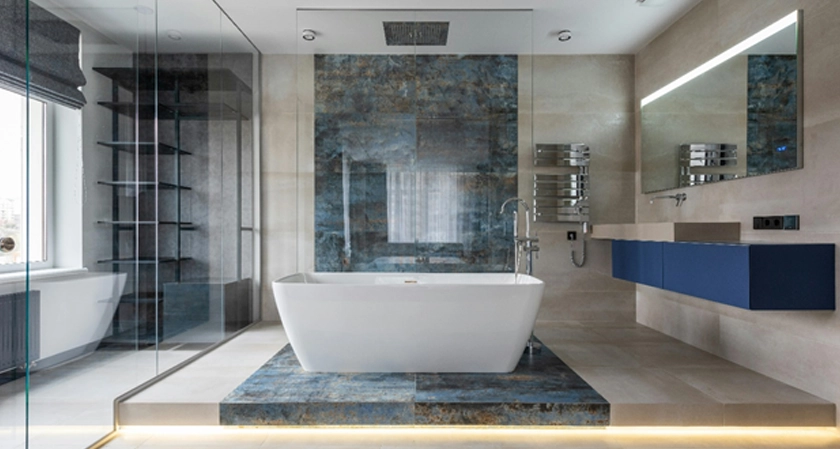
That shift has influenced design decisions. Walk-in showers with simple glass panels are replacing bulky enclosures. Neutral tones are chosen over loud patterns. Built-in shelving reduces clutter. These choices don’t scream luxury, but they change how the room feels at six in the morning or late at night.
There’s also more attention to lighting. Overhead lights alone are no longer enough. Layered lighting—soft ambient light combined with brighter task lighting near the mirror—creates a more usable space. It sounds minor, but better lighting changes how people start and end their day. It reduces strain and makes small bathrooms feel larger.
Aging in Place and Long-Term Thinking
Another factor driving investment is long-term planning. Homeowners are thinking ahead in ways they didn’t before. High tub walls, narrow doorways, and slippery floors are being reconsidered. Even if mobility is not an issue today, it might be in the future.
Low-threshold showers, grab bars designed to blend into the room, and non-slip flooring are increasingly common. These features are not always advertised loudly because they can feel clinical if handled poorly. But when integrated thoughtfully, they add security without drawing attention.
This approach reflects a broader shift in consumer behavior. People are less interested in remodeling for resale value alone and more focused on making the home workable for the next decade or longer. The bathroom, being one of the most used rooms in any house, naturally becomes a priority.
Cleaner Lines, Less Maintenance
Maintenance fatigue is real. Grout lines that stain, caulking that cracks, and fixtures that corrode create a cycle of small repairs that drain time and patience. Smarter bathroom remodels aim to break that cycle.
Large wall panels with fewer seams reduce mold growth. Modern faucets are designed to resist water spots. Ventilation systems are improved to manage humidity more effectively. When moisture is controlled, surfaces last longer. It’s not glamorous work, but it prevents bigger problems.
Minimalist design also plays a role here. Fewer decorative edges and complex shapes mean fewer places for dust and soap residue to collect. Sleeker doesn’t just mean modern-looking. It often means easier to live with.
The Influence of Broader Lifestyle Trends
Consumer habits have shifted in other parts of the home as well, and bathrooms are following that lead. People track their health on watches and phones. They invest in better mattresses. They pay attention to indoor air quality. It makes sense that the bathroom, where much of daily care happens, would be upgraded with similar intent.
Water-efficient fixtures are more common now, not only because of environmental awareness but also because utility costs have increased. Dual-flush toilets and low-flow showerheads are standard in many remodels. The technology has improved to the point where performance is not sacrificed.
There’s also a quiet cultural shift happening. Social media has made interior spaces more visible, but homeowners seem less interested in copying bold trends and more focused on creating a consistent, livable aesthetic. Bathrooms are designed to match the rest of the home, rather than stand apart as a purely utilitarian corner.
Investment Beyond Resale
For years, bathroom remodels were framed around resale value. That’s not the main driver anymore. Now people talk about comfort, fewer repairs, and smoother mornings. Simple changes like double sinks, smarter storage, and a shower that drains properly make daily life easier. They’re not flashy upgrades, just steady improvements.
Spending on cleaner, more efficient designs shows a practical shift. Homeowners care about durability and performance, not just appearance. Bathrooms may be small, but they’re being planned around real routines and long-term use, which is why upgrades keep happening.