>>
Industry>>
Real estate>>
Guide to Protecting Commercial...Guide to Protecting Commercial Buildings from Climate Risks
The Silicon Review
28 March, 2026
Author:
The Silicon Review Team
Commercial real estate is facing a new set of challenges as weather patterns shift. Property managers and business owners are seeing more frequent storms and rising temperatures. These changes require a shift in how we think about building design and upkeep.
Preparing for these shifts now can save a lot of money later. It is about staying ahead of the curve to keep occupants safe and operations running smoothly. Long-term property value depends on how well a structure can withstand the elements.
Tracking the Financial Impact of Extreme Weather
The financial side of climate risk is becoming harder to ignore for major corporations. Business leaders are looking at the data to understand how weather events hit the bottom line. A natural catastrophe report from 2025 indicated that natural hazards led to an estimated direct economic cost of $417 billion.
This massive figure shows why companies are putting more money into hardening their physical assets. Investing in resilience is no longer a luxury for most commercial firms. Many insurance providers are now looking at these efforts when they set annual premiums.
Hardening the Building Envelope
High-quality glass can stop debris from entering and causing internal pressure changes. This layer of security is a top investment for coastal businesses. It keeps the business running without long delays after a storm passes.
Many commercial property owners in South Florida face unique challenges during the peak of the Atlantic storm season. In the heart of South Florida, finding the best impact window and door company in Miami FL for hurricane protection is a high priority for firms looking to shield their assets from high-velocity winds. Professional installation makes sure that these heavy units stay in place when the pressure rises. These structural upgrades help maintain the integrity of the building when extreme weather events occur.
Strategies for Flood Mitigation
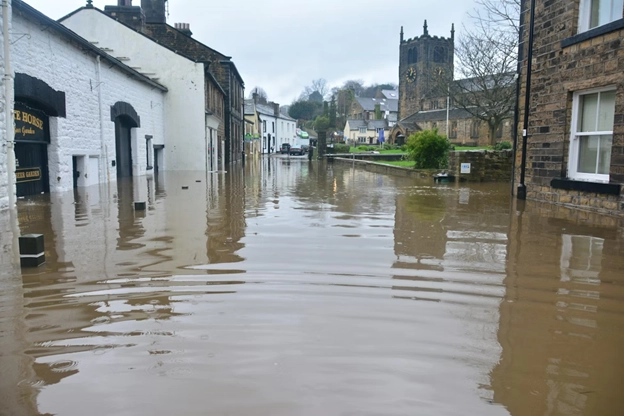
Water damage often causes more long-term issues than wind itself. Rising sea levels and heavy rain put pressure on drainage systems that were built decades ago. One industry expert suggested that setting up proactive flood mitigation strategies helps minimize damage during heavy storm cycles.
This might include installing high-capacity pumps or barriers at entry points. Modern tech now allows for real-time monitoring of water levels around a property. Managing these risks prevents mold growth and structural decay as the years go by. These systems are part of a broader plan to keep a site dry during a surge.
Securing External Components and Façades
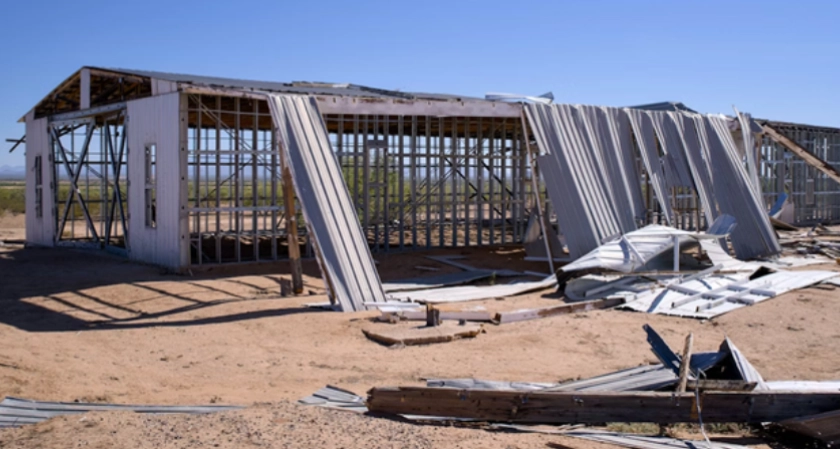
Many buildings have decorative elements or signs that can become hazards during a thunderstorm. If these items are not bolted down correctly, they can turn into projectiles. Construction site reviews from the previous year highlight that glass and unanchored façade parts are often the most vulnerable areas.
It is critical to inspect all rooftop units and exterior cladding before the storm season starts. Loose panels can lead to water infiltration even in mild rain. Regular checks make sure that everything stays where it belongs. Proper anchoring of HVAC units on the roof is a simple step that prevents massive equipment loss.
Improving Energy Resilience and Cooling
Heatwaves are becoming a major concern for office buildings with large glass walls. Keeping a building cool during a power outage is a significant hurdle for facility managers. Modern cooling systems are being redesigned to use less power while providing better airflow.
Solar panels and battery backups are becoming more common in the commercial sector. These systems provide a safety net when the main grid fails. Reducing the heat load on a building reduces monthly utility bills as well. Better insulation and tinted glass help keep the interior comfortable without overworking the air units.
Developing a Maintenance Checklist
Staying on top of building health requires a consistent schedule. Small repairs today prevent total failures during a disaster. Here are a few items that should be on every commercial checklist:
- Clean out all gutters and roof drains twice a year.
- Check the seals around every window for cracks or leaks.
- Test the backup generator every month to confirm it starts.
- Inspect the roof surface for loose gravel or damaged membranes.
- Update emergency contact lists for all key vendors.
- Review structural reports for any signs of concrete spalling or rust.
- Monitor the integrity of the main electrical room against water entry.
Taking action to protect a commercial building is a smart business move. It protects the physical structure and the people inside it. Weather risks are increasing, but the tools to combat them are getting better, too.
Smart planning and high-quality materials make a big difference in the long run. Keeping an eye on the latest tech and building standards helps property owners stay resilient. Now is the time to review your strategy and make the necessary updates to your property. A resilient building is a safer and more profitable asset for the future.