>>
Industry>>
Energy and Utility>>
How to Prepare Your Home for H...How to Prepare Your Home for Heat Pump Installation
The Silicon Review
03 March, 2026
Author:
The Silicon Review Team
Preparing your home for a heat pump installation can boost performance and maximize energy savings. A bit of planning up front also helps you avoid unnecessary hassle, delays, or last-minute surprises. The steps below are straightforward, and you can get your home ready in just 15 minutes.
Assessing the Space
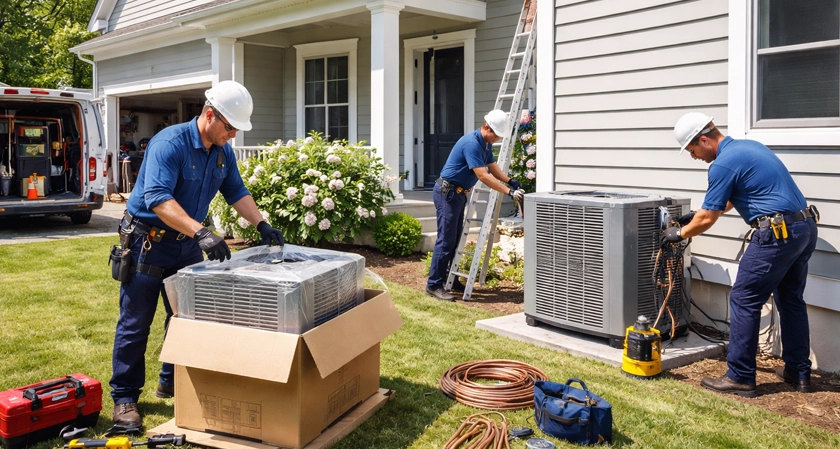
Check the areas where the heat pump and its components will be installed. Indoor units need a clear section of wall or ceiling with enough space around them for air to move freely and for maintenance. Outdoor appliances should sit in an open area that’s free of shrubs, debris, and other objects that might block airflow. Choose a heat pump installation in St. Charles to help with preserving good airflow and overall system performance.
Clearing the Installation Areas
Clear pathways and the areas where installers will be working, both inside and outside your home. This makes it easier to move equipment and tools without bumping into furniture or damaging personal items. A tidy, open workspace helps with the installation and has fewer disruptions.
Checking Electrical Capacity
Heat pumps need a suitable electrical supply to run safely and reliably. Look at your electrical panel to confirm there is enough capacity for the new system before installing the heat pump. An electrician may need to add a dedicated circuit, upgrade a breaker, or make other adjustments. Handling any electrical upgrades in advance can prevent delays or surprises on installation day.
Inspecting Insulation and Sealing
Heat pumps work best in homes with good insulation and minimal drafts. Check windows, doors, and the attic for gaps, cracks, or areas where air can escape, and seal or insulate as needed. Better insulation reduces energy waste and helps your home heat and cool more evenly. This step can lower your utility bills, improve comfort, and support a more energy-efficient home overall.
Arranging Access for Installers
Ensure installers can easily reach both indoor and outdoor work areas. On the day of installation, keep driveways, walkways, and entryways clear. Keep your pets in another room or outside so they don’t get stressed or accidentally get in the way. Let everyone in the household know when the work will happen to minimize interruptions and keep things safe for both your family and the installers.
Preparing for Temporary Disruptions
During installation, immediate heating, cooling, or electrical services may need to be interrupted. Be prepared by changing schedules or arranging for at-risk family members. Since the process can create a lot of dust and noise, think about placing storage bags on your furniture or other valuable items. These are temporary changes, but being prepared for them will help the installers to work through any obstacles.
Reviewing the Manufacturer’s Requirements
You should pay attention to the specifications listed in the user manual or installation guide that comes along with the heat pump. Manufacturers often specify various installation requirements, including room around units, ventilation needs, and safety. Knowing these details ensures that no problems arise and the system works as desired.
Scheduling Professional Installation
The quality of your installation depends heavily on the contractor you choose. Look for certified technicians with experience in heat pump systems. Professional installers follow safety standards and regional codes, which reduces the risk of problems later on. They can also walk you through how the system works and provide tips for ongoing care and maintenance.
Understanding System Operation
Learn how the new heating pump operates once you have finished installing it. Go over settings, controls, and suggested maintenance with the installer. Being aware of adjusting the thermostat and changing filters helps maintain efficient performance. Consistent maintenance protects the investment and ensures it operates reliably throughout the season.
Conclusion
Thoughtful preparation makes heat pump installation smoother and more effective. By assessing the space, improving insulation, and clearing access, you help ensure your home is ready for the new system. Addressing electrical needs and following manufacturer guidelines further supports a safe, high-quality installation. With a careful approach, you can enjoy greater comfort, better performance, and long-term value from your heat pump.