>>
Industry>>
Transportation>>
Protecting Your Workforce: The...Protecting Your Workforce: The Link Between Communication and Fleet Safety

The Silicon Review
30 April, 2026
Author:
Allen Brown
Keeping a team safe on the road is a top priority for any business. It takes constant effort to keep everyone aligned with safety goals and standards.
Safety starts with clear talk between managers and drivers. When everyone understands the rules, the whole fleet performs better and stays out of trouble.
Defining Clear Safety Expectations
Running a fleet requires more than just hiring drivers. Modern companies often integrate truck dash camera systems to maintain high standards across the board. This level of oversight helps everyone stay on the same page and keeps costs low.
Drivers need to know exactly what is expected of them daily. Clear lists of rules help remove any confusion during long shifts. Managers should make sure these documents are easy to read and always accessible.
Consistency helps build trust within the workforce. Managers who speak clearly about goals find that their teams respond with better performance. Clear goals give every person a sense of purpose and direction.
Real-Time Feedback Mechanisms
Managers should provide regular updates to their teams. Constant check-ins help identify potential issues before they turn into accidents. It is a simple way to keep safety a top priority.
A research publication noted that safety talk and feedback from leadership have a direct link to how well drivers follow rules. This suggests that keeping lines of communication open is a key part of safety management. Leaders must make sure these talks happen often to see real results.
Feedback needs to be constructive and helpful. Drivers who get regular guidance feel more supported and are more likely to act safely. Positive reinforcement can be just as effective as corrective action for a team.
Monitoring Risky Behaviors
Identifying dangerous habits is a big part of keeping the road safe. Managers need tools to see what is happening behind the wheel. Knowing the facts helps in making better decisions for the whole team.
One study on safety policies found that 41% of risky events involved people not wearing seatbelts. The same report mentioned that 7% of those incidents were linked to speeding. This data shows where managers should focus their coaching efforts to keep drivers safe.
Addressing these specific behaviors can save lives. Using data to spot trends allows for better coaching and fewer incidents. It turns raw numbers into actionable plans for improvement across the fleet.
Building A Culture Of Openness
A safe fleet is one where drivers feel comfortable sharing their concerns. Safety meetings should be a place for two-way conversations. This gives drivers a voice in how the company operates every day.
Transparency helps solve problems quickly. When drivers report hazards, the company can fix them before a crash occurs. It is better to deal with a small issue now than a big one later on.
Trust is the foundation of a strong safety culture. Managers who listen to their teams create a better working environment for everyone involved. Happy drivers are often safer drivers who take pride in their work and their vehicle.
Training Beyond The Basics
Initial training is just the start of a driver's journey. Ongoing education keeps safety at the forefront of their minds. It prepares them for the unpredictable nature of the road and changing weather.
Short weekly tips can make a big difference in daily habits. These small bits of info are easy to remember and apply. Consistency is the secret to making these lessons stick for the long term.
Here are a few ways to keep training fresh:
- Host monthly safety workshops for the whole team.
- Share video clips of safe driving in action to show what works.
- Offer rewards for clean driving records each quarter to boost morale.
Leveraging Modern Tools
Technology makes it easier to keep track of fleet health. Smart systems provide data that used to be impossible to collect. This information helps managers understand the daily life of a driver more clearly.
Recording events helps clear up disputes after an incident. This tech acts as a second set of eyes for the driver. It provides peace of mind for both the worker and the business owner.
Modern software can send alerts for harsh braking or rapid turns. These notifications help drivers adjust their habits in the moment. Real-time alerts are a great way to prevent mistakes from becoming accidents on the highway.
Consistent Policy Application
Safety rules must apply to every person in the company. Fair treatment keeps morale high and encourages everyone to follow the law. No one should feel like they are above the safety guidelines at any time.
Reviewing policies every year helps keep them relevant. As technology changes, the rules should update to match new risks. Keeping things current shows the team that safety is an evolving goal for the business.
Strong leadership makes safety a habit rather than a chore. When bosses lead by example, drivers are more likely to do the same. This commitment starts from the top and flows down to every vehicle in the fleet.
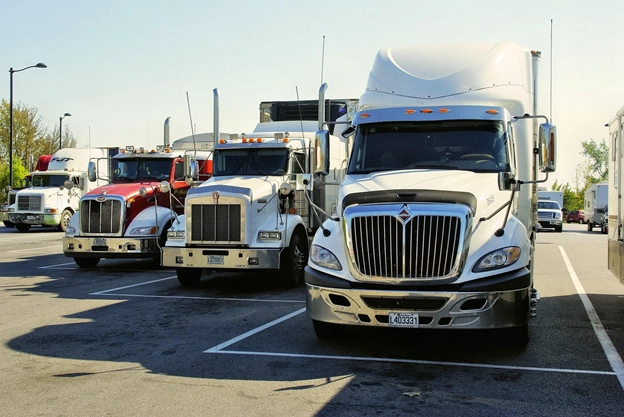
Communication is the most powerful tool in any fleet safety program. It bridges the gap between company rules and actual driver behavior on the road.
By staying connected and providing regular feedback, businesses can protect their workers and their bottom line. Safe driving is a team effort that starts with a simple conversation between managers and drivers.