>>
Industry>>
Healthcare>>
How Six Years of Evolution Hav...How Six Years of Evolution Have Redefined the Nursing Profession
The Silicon Review
30 April, 2026
Author:
Guest
If you had asked a nurse in early 2020 what their profession would look like six years later, most would have struggled to imagine the scope of change.
The pandemic didn’t just strain healthcare systems, it fundamentally reshaped them. Now, in 2026, nursing stands as one of the most transformed professions in the country, marked by greater autonomy, smarter technology, and a renewed focus on patient-centered care.
From Burnout To The “Great Reshuffle”
The early 2020s were defined by exhaustion. Nurses faced overwhelming patient loads, emotional strain, and, in many cases, a lack of institutional support. Burnout reached historic levels, pushing many experienced professionals out of bedside roles or out of healthcare entirely.
This mass departure sparked what’s now often called the “Great Reshuffle” (or the “Great Resignation”) in nursing. But unlike a typical workforce shift, this wasn’t just about people leaving jobs. It forced healthcare systems to confront long-standing issues around staffing, decision-making, and workplace culture.
As of 2026, one of the most meaningful outcomes of that period is the widespread adoption of ‘Professional Governance’ models. These frameworks give nurses a genuine say in how care is delivered. Instead of being passive participants in top-down systems, nurses are now actively involved in shaping policies, workflows, and clinical standards.
In practical terms, that means bedside nurses have input on staffing ratios, safety protocols, and even technology implementation. It’s a shift that has not only improved retention but also elevated the profession’s standing within the broader healthcare ecosystem.
Technology And Collaboration
For years, technology in healthcare was a double-edged sword. Electronic health records, while necessary, often add hours of administrative work to already packed shifts. Many nurses felt they were spending more time documenting care than delivering it. That dynamic has changed dramatically.
By 2026, generative AI has become a true “co-pilot” in clinical settings. Documentation, once one of the most time-consuming parts of a nurse’s day, is now largely automated in real time. Voice-enabled systems can capture patient interactions, generate accurate clinical notes, and flag potential concerns without interrupting workflow.
The impact has been significant. On average, nurses have regained roughly 30% of their shift, allowing them to focus on what drew many of them to the profession in the first place: direct patient care.
This partnership between human expertise and intelligent systems has reduced cognitive overload and improved patient outcomes, creating a more sustainable model for care delivery.
The Rise of Hospital-at-Home
Another major shift in the nursing landscape is the normalization of Hospital-at-Home models. What began as a pandemic-era necessity has evolved into a preferred method of care for many patients.
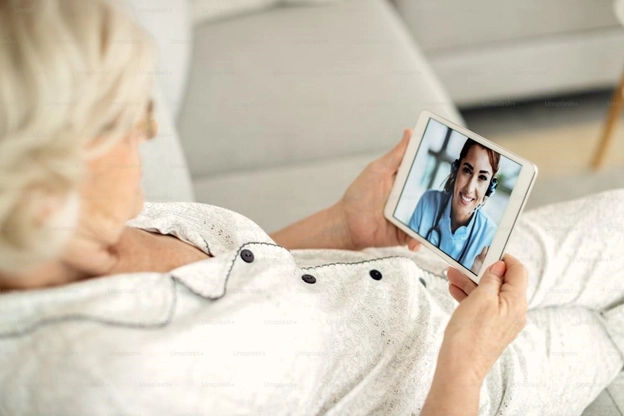
Today, nurses are leading virtual wards, managing patients remotely through advanced monitoring systems. Wearable devices track vital signs continuously, while predictive analytics identify potential complications before they escalate.
In this model, a nurse might oversee multiple patients from a centralized hub, intervening virtually or dispatching in-home care teams as needed. It’s a blend of clinical expertise and technological precision that has expanded access to care while reducing hospital overcrowding.
For patients, it means receiving high-quality treatment in the comfort of their own homes. For nurses, it represents a new kind of leadership role; one that combines traditional clinical skills with data-driven decision-making.
Nurse Practitioners: Filling The Primary Care Gap
As the healthcare system has evolved, one challenge has remained constant; the shortage of primary care providers. This is where nurse practitioners (NPs) have stepped in as a definitive solution.
In 2026, NP roles are projected to grow by 46%, reflecting both demand and trust in their capabilities. In many communities, particularly underserved areas, NPs are now the first, and sometimes only, point of contact for patients.
States like Tennessee offer a clear example of how this role has expanded. Nurse practitioners have become vital community anchors, providing not just clinical care but also education, prevention, and long-term health management.
For registered nurses looking to transition into this level of practice, the path is more accessible than ever. Pursuing advanced education through accredited programs, like nurse practitioner programs in TN, provides the diagnostic authority and leadership training needed to thrive in this new environment.
Institutions such as Carson-Newman University Online have adapted their offerings to meet this demand, providing flexible, high-quality education tailored to working professionals. These programs are designed not just to prepare nurses for certification, but to equip them with the skills required to navigate an increasingly complex healthcare system.
A Profession Reclaimed
What makes the evolution of nursing over the past six years so remarkable isn’t just the adoption of new tools or roles. It’s the reclamation of the profession’s core identity.
Nurses are no longer seen solely as caregivers operating within rigid systems. They are decision-makers, innovators, and leaders. They shape patient experiences, influence policy, and drive improvements across the continuum of care.
The changes haven’t solved every challenge. Staffing shortages still exist, and the emotional demands of the job remain significant. The difference now is that nurses have more control over their work and more support in delivering it.
Emerging From Recovery to Reinvention
If the past six years have shown anything, it’s that the nursing profession is capable of profound transformation under pressure. The systems in place today are more responsive, more collaborative, and more aligned with the realities of modern healthcare.
As we look to the future, the focus will likely shift from recovery to refinement; building on what works and continuing to adapt to new challenges. Technology will keep evolving, patient expectations will continue to change, and the demand for skilled nurses will only grow.
For those entering the field in 2026 or considering their next step within it, there has never been a more dynamic or impactful time to be part of the profession, shaping it in a way that affects all of us.