>>
Industry>>
Energy and Utility>>
How to Slash Refrigeration Ene...How to Slash Refrigeration Energy Costs in Stores
The Silicon Review
15 April, 2026
Author:
The Silicon Review Team
Retail stores, especially in the food and beverage sector, have limited usable space due to cold systems and equipment that consume a large portion of electricity. Rising utility costs are further squeezing profit margins in retail and service sectors.
Retail stores should enhance their operational and refrigeration equipment. Improvements can sustain product integrity and quality. The following post will explore alternatives for retail food and beverage stores to reduce refrigeration costs while maintaining operational effectiveness.
Updates to Components and Equipment
Replacing old components with new ones significantly improves efficiency. Electronically commutated motors (ECMs) use less energy and provide better airflow control. LED lighting generates less heat, leading to reduced energy consumption and cooling needs.
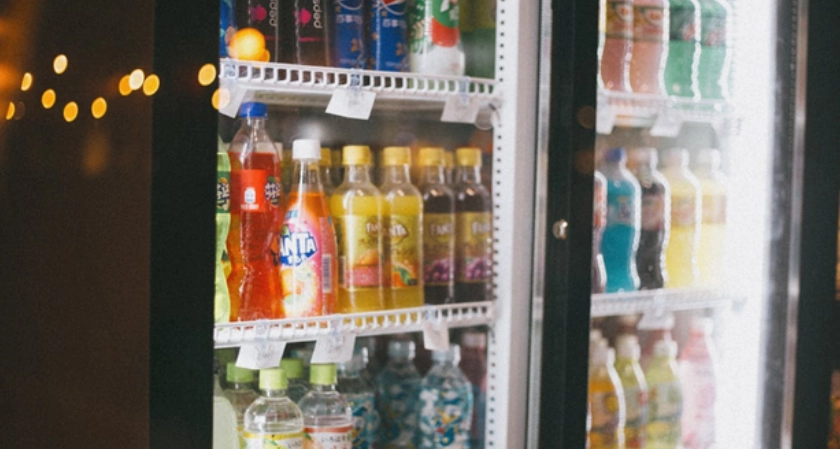
The assessment focuses on energy efficiency, particularly for modern units like compact glass door refrigerators for restaurants. Features such as LED lighting, bottom-mounted compressors, and efficiency ratings enhance product visibility, energy savings, and consistent cooling.
Optimize Temperature Setpoints and Controls
Setting temperature set points is straightforward and can lead to energy savings. Refrigeration systems tend to target colder temperatures, resulting in wasted energy and higher costs. Using manufacturer temperature setpoints will help achieve less diverse, but sufficient cold storage.
Advanced controls can optimize freezing systems to align with set point targets, reducing excess runtime and energy consumption. Implementing smart systems and integrated cyclic controls can be used to reduce the excess runtime to help achieve closed-loop targets.
Advanced systems help reduce peak energy consumption during freezing and stabilize usage during off-target periods. They improve the sustainability of freezing operations by managing energy flow and operations, resulting in cost savings and a reduced environmental footprint.
Enhanced Management of Doors and Insulation
The efficiency of refrigeration systems is compromised by cold air loss caused by damaged sealed doors and frequent openings, leading to higher energy consumption as the compressor runs at full capacity. Installing door-ajar alerts can help reduce energy waste.
Night curtains effectively cover display cases after hours, helping to insulate and lower cooling requirements. Their design includes sealing gaskets that enhance temperature stability and system efficiency.
Maintain Equipment Regularly
To save money, energy costs, and to make the system adjustable, preventive maintenance costs must be incurred. The system will use more energy and be less efficient with dirty coils and blocked air flow.
The system cleaning extends the operational time of the equipment, but also improves the energy savings. Routine maintenance should include the following:
- Cleaning evaporator and condenser coils
- Checking levels of refrigerant
- Inspecting seals and door hinges
- Making sure motors and fans work properly
Regular maintenance increases the operational time of the equipment while also lessening energy use and preventing malfunctions.
Choose Efficient System Design and Energy Programs
The efficient design of a system results in efficient operation of the various parts of the system. Bottom-mounted compressors can be more efficient in cooler settings instead of being located in warmer ones. They are also easier to service than a top-mounted compressor.
Energy-certified equipment can save owners money over time, often accompanied by financial incentives like rebates. Stores can also reduce energy costs by joining demand response programs that limit usage during peak times.
Smarter Refrigeration for Lower Energy Costs
Optimizing three settings and maintaining high-efficiency equipment are key to improving energy conservation in a system. Upgrading can lead to significant reductions in energy use and better overall performance.
Upgrades help shop owners maintain product quality while lowering operational costs. They lead to a sustainable approach and a financial advantage, enabling better resource allocation while upholding excellence.