>>
Industry>>
Construction>>
Roof Restoration Explained: A ...Roof Restoration Explained: A Practical Guide to Protecting and Extending Your Roof’s Life
The Silicon Review
25 April, 2026
Author:
The Silicon Review Team
Roof restoration is one of the most effective ways to maintain a home’s structural integrity without the high cost of a full roof replacement. Over time, roofs are exposed to harsh weather conditions such as heavy rain, heat, wind, and debris, which can cause wear and tear. Instead of waiting for major damage or leaks to occur, many homeowners are now turning to roof restoration as a preventative and long-term maintenance solution.
This guide explores roof restoration in a simple, practical way and breaks down what it involves, why it matters, and how it can help protect your home.
1. What Roof Restoration Actually Means
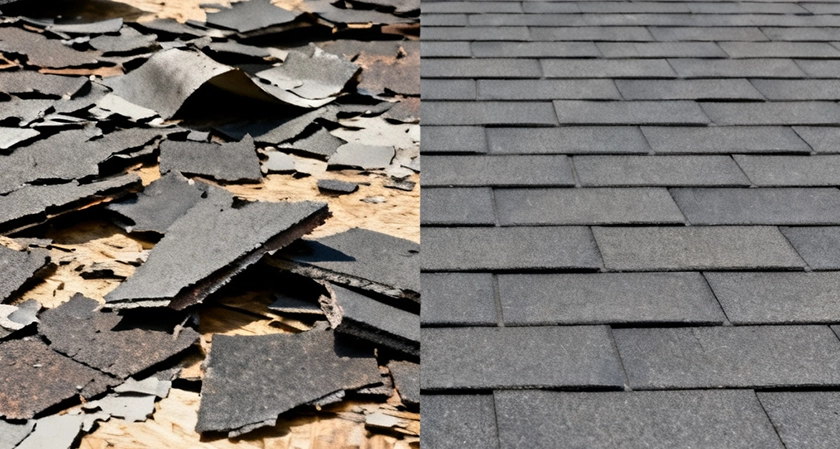
Roof restoration is the process of repairing, cleaning, and rejuvenating an existing roof to improve its condition and performance. Unlike small repairs that fix a single issue or full roof replacement that removes everything, restoration focuses on improving the entire roof system while keeping the original structure intact.
A typical roof restoration aims to:
- Fix visible and hidden damage
- Improve waterproofing and weather resistance
- Restore appearance and curb appeal
- Extend the lifespan of the roof
In many cases, it is considered a cost-effective alternative to replacing a roof entirely, especially when the structure is still in good condition but showing signs of ageing.
2. Common Signs Your Roof May Need Restoration
Knowing when to restore a roof can prevent expensive damage later. Most roofs will show warning signs before major issues develop. Here are some of the most common indicators:
Visible wear and surface damage
Cracked, broken, or missing tiles, rust spots on metal roofing, or fading paint are all early signs that the roof is deteriorating.
Water leaks or stains inside the home
Watermarks on ceilings or walls often indicate that moisture is penetrating the roof structure.
Moss, mould, or lichen growth
Organic growth can trap moisture and slowly damage roofing materials if left untreated.
Loose ridge caps or roof components
Movement or gaps in ridge capping or roof edges can reduce stability and lead to water entry.
General ageing and dull appearance
Even without major damage, an older roof may look worn and lose its protective coating over time.
3. The Roof Restoration Process Step by Step
While the exact process can vary depending on the roof type and condition, most roof restorations follow a structured set of stages.
Roof inspection and assessment
A thorough inspection is carried out to identify damage, weak points, and areas needing repair. This helps determine the scope of restoration work required.
Roof cleaning
The roof is cleaned to remove dirt, moss, lichen, and built-up debris. This step is important because it prepares the surface for repairs and coatings.
Repairs and replacements
Damaged tiles, rusted metal sheets, or worn components are repaired or replaced. This ensures the roof structure is stable and watertight.
Re-bedding and repointing (for tiled roofs)
Loose ridge caps and roof joints are secured using fresh mortar or flexible pointing materials to strengthen the roof structure.
Sealing and protective coating
A protective sealant or roof coating is applied to improve waterproofing, UV resistance, and durability. This also restores the roof’s appearance.
4. Benefits of Roof Restoration
Roof restoration offers several practical advantages for homeowners, especially when compared to full replacement.
Extends roof lifespan
A properly restored roof can last many additional years by addressing wear before it becomes serious structural damage.
More cost-effective than replacement
Restoration typically costs less than replacing an entire roof because it preserves the existing structure.
Improves home protection
By sealing gaps and repairing damage, restoration helps prevent leaks, moisture issues, and internal water damage.
Enhances energy efficiency
A well-maintained roof can improve insulation and reduce heat transfer, helping regulate indoor temperatures more effectively.
Boosts property appearance and value
A restored roof improves curb appeal, which can positively influence property value and overall presentation.
5. Roof Restoration vs Roof Replacement
Understanding the difference between restoration and replacement helps homeowners make informed decisions.
Roof restoration is suitable when:
- The roof structure is still strong
- Damage is moderate or surface-level
- You want a cost-effective improvement option
Roof replacement is needed when:
- The roof is severely damaged or collapsing
- There are major structural issues
- Repairs are no longer effective
In simple terms, restoration focuses on renewal, while replacement involves rebuilding from scratch.
Conclusion
Roof restoration is a practical and valuable approach to maintaining a home’s protection, appearance, and long-term durability. By addressing early signs of wear, cleaning and repairing damaged areas, and applying protective coatings, homeowners can significantly extend the life of their roof without the cost of a full replacement.
For anyone looking to maintain their property effectively, understanding roof restoration is an important step toward smarter home maintenance and long-term savings.