>>
Industry>>
Architecture and interior design>>
Simple Home Upgrades That Lowe...ARCHITECTURE AND INTERIOR DESIGN
Simple Home Upgrades That Lower Utility Bills Without a Major Renovation
The Silicon Review
15 April, 2026
Author:
The Silicon Review Team
If you’ve ever opened a utility bill and paused for a second, wondering how it got that high, you’re not alone. Energy costs tend to creep up quietly, especially when small inefficiencies stack over time. The good news is you don’t need to tear your house apart or commit to a full renovation to see a difference. In many cases, it’s the smaller, practical upgrades that quietly do the heavy lifting.
Think of your home as a system. Air leaks, outdated fixtures, and inefficient habits all play a role in how much you spend each month. Once you start addressing those areas, even in small ways, the savings begin to show up. And more often than not, these changes are affordable, manageable, and easy to tackle over a weekend.
Seal the Gaps You Don’t Notice
One of the most overlooked causes of high energy bills is air leakage. Tiny gaps around windows, doors, and even baseboards can let conditioned air slip out while letting outside air sneak in. It’s subtle, but over time it forces your heating and cooling system to work harder than it should.
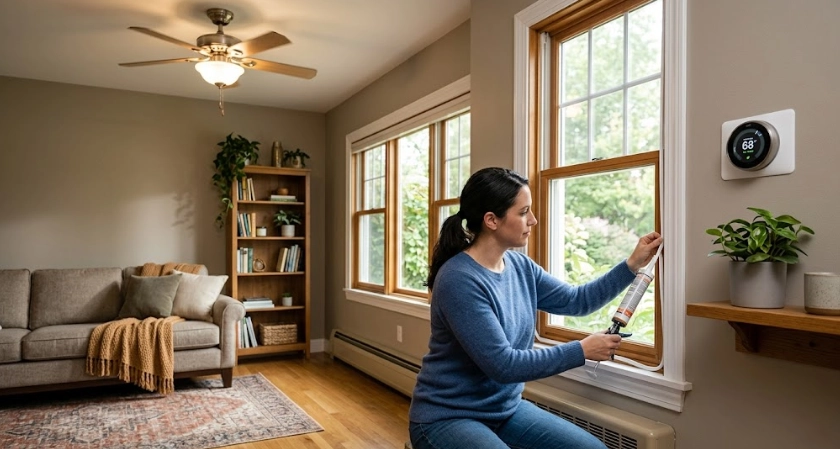
Walk around your home and pay attention to drafts. You might feel them more on colder or hotter days. A simple fix like weatherstripping doors or adding caulk around window frames can make a noticeable difference. Door sweeps are another quick win, especially for exterior doors that don’t quite seal at the bottom.
These fixes are inexpensive, but they change how your home holds temperature. Once sealed properly, rooms tend to feel more stable, and your HVAC system cycles less often.
If drafts persist after DIY fixes, consider a pro assessment of frames, sashes, and door seals. In hot, hurricane-prone markets like Orlando, upgrading to ENERGY STAR low‑E, impact-rated windows and properly fitted entry and sliding glass doors can cut heat gain and air infiltration without a major remodel. For measurements, installation, and options tailored to local codes and weather, explore Reece Windows servicing for Orlando homeowners, including impact-resistant sliders and supplemental hurricane shutters that also reduce air leakage.
Switch to LED Lighting, Room by Room
Lighting has come a long way, but many homes still rely on older bulbs that draw more power than necessary. Replacing them with LED bulbs is one of the easiest upgrades you can make, and you don’t have to do it all at once.
Start with the rooms you use the most. Kitchens, living rooms, and bathrooms usually see the biggest impact. LED bulbs last significantly longer and use a fraction of the energy compared to traditional incandescent bulbs.
There’s also something satisfying about seeing immediate results. You flip a switch, and not only does the light feel the same, but you know you’re using less electricity every time it’s on.
Install a Smart Thermostat and Let It Work for You
Heating and cooling often account for the largest portion of a utility bill. That’s why even small adjustments in temperature settings can have a noticeable effect. A smart thermostat helps take the guesswork out of it. Instead of manually adjusting temperatures throughout the day, the system learns your habits or follows a schedule you set. It can lower heating or cooling when you’re away and bring it back to a comfortable level before you return.
Over time, this kind of automation supports better utility expense management without requiring constant attention. You’re not just reacting to bills. You’re actively shaping them in the background.
Upgrade Your Showerheads and Faucets
Water usage doesn’t always feel like a major expense until you look at the cumulative cost over a month or year. Older showerheads and faucets often use more water than necessary, especially if they haven’t been updated in a while.
Low-flow fixtures are designed to reduce water usage without sacrificing pressure. That means you can still enjoy a normal shower experience while using less hot water. Since heating water also consumes energy, this upgrade has a double benefit.
Installation is usually simple. In many cases, it’s just a matter of unscrewing the old fixture and attaching the new one. It’s a small change that quietly reduces both water and energy costs.
Add Insulation Where It Matters Most
Insulation isn’t just something hidden in your walls. Certain areas of your home, like the attic, play a big role in temperature control. If insulation is thin or outdated, heat can escape during winter and build up during summer.
You don’t necessarily need a full overhaul. Even adding insulation to key areas can improve how your home retains temperature. Attic insulation, in particular, tends to deliver noticeable results.
If you’ve ever noticed that your home struggles to stay cool in the summer or warm in the winter, this could be part of the reason. Once addressed, the indoor climate tends to feel more consistent, which reduces the strain on your HVAC system.
Use Power Strips to Tackle “Phantom Energy”
Not all energy use is obvious. Many electronics continue to draw power even when they’re turned off. This is often called “phantom energy,” and it can add up over time.
Think about TVs, gaming consoles, chargers, and kitchen appliances. If they’re plugged in, they’re likely using at least a small amount of electricity. Power strips offer a simple solution. With one switch, you can cut power to multiple devices at once.
This is especially useful in areas like home offices or entertainment centers. It’s a small habit change, but one that gradually chips away at unnecessary energy use.
Upgrade Window Treatments for Better Temperature Control
Windows can be both a source of natural light and a weak point for insulation. During hot months, sunlight streaming through windows can raise indoor temperatures quickly. In colder months, heat can escape through the glass.
Simple upgrades like thermal curtains or cellular shades can help regulate this. They act as an extra barrier, reducing heat transfer and keeping indoor temperatures more stable. You don’t need to replace your windows to see a difference. Just improving how they’re covered can reduce how often your heating or cooling system needs to compensate.
Over time, these simple adjustments reshape how your home consumes energy. The result is a space that feels just as comfortable, but runs more efficiently in the background. And when the next utility bill arrives, it might just feel a little less surprising.